
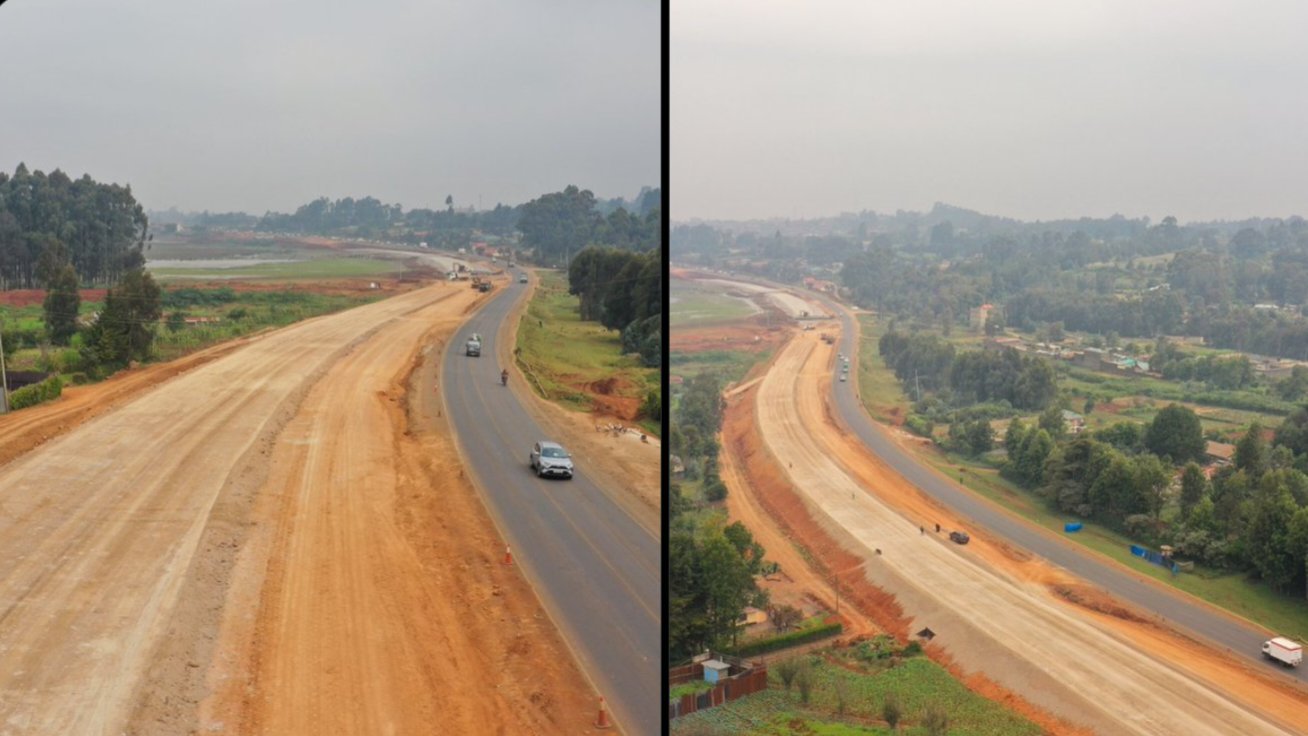

The Consumer Federation of Kenya (COFEK) has filed a petition seeking to suspend the proposed Sh8-per-kilometre toll on the Nairobi–Nakuru–Mau Summit and Rironi–Maai Mahiu–Naivasha highways. The legal action targets plans by the Kenya National Highways Authority (KeNHA) for the upgraded expressway sections.
COFEK argues the toll would place undue financial burden on motorists and businesses that rely on these routes. The petition focuses on the impact to daily commuters, transporters and local economies along the corridors.
The government has asked the court to dismiss the matter. Lawyers cited a parallel case already dealing with similar tolling issues. This procedural stance aims to avoid overlapping litigation on the policy.
These highways serve as vital arteries linking Nairobi to the Rift Valley and western Kenya. The Rironi–Mau Summit section and the Rironi–Maai Mahiu–Naivasha route carry significant commercial traffic. Upgrades under public-private partnership arrangements include tolled operations to recover investment costs.
KeNHA previously indicated the Sh8 base rate would apply to passenger vehicles upon opening of the sections. Future adjustments would follow project agreements and regulatory approvals. Authorities view tolling as essential for sustainable maintenance of the new infrastructure.
Consumer advocates have raised broader questions about affordability. Many worry that added costs would raise transport fares and prices of goods moving through the corridors. The routes remain essential for both passenger and freight movement.
The case reflects wider debates on user-pay models for major Kenyan roads. Previous toll implementations, such as on the Nairobi Expressway, have triggered public scrutiny over equity and value. COFEK frames its petition as protection of consumer interests in large infrastructure projects.
Judicial proceedings will decide whether the suit advances or consolidates with the existing matter. A decision could set precedents for future toll projects across the national network.
The highways underpin economic connectivity. Any changes to toll timelines could affect financing and delivery schedules for the multi-billion-shilling works. Both sides await clarity from the court on how the matter will proceed.
Comments (0)
Leave a Comment
No comments yet. Be the first to share your thoughts!