
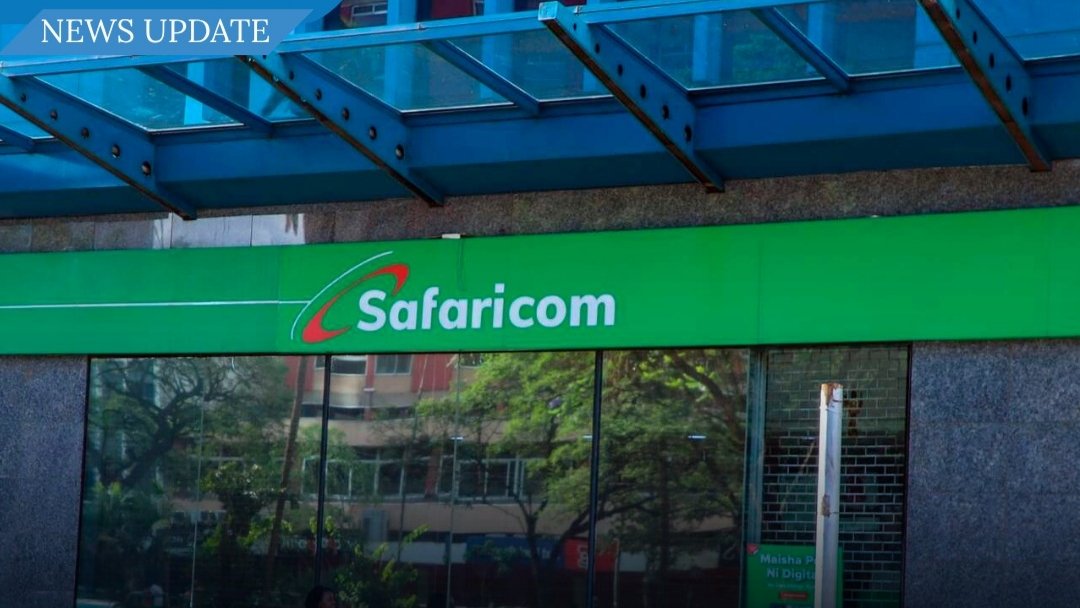

The High Court has extended orders preserving the status quo in the government's proposed sale of a 15 percent stake in Safaricom to South Africa's Vodacom Group. The move buys time for petitioners Tony Gachoka and Fredrick Ogola to present their full case on April 27.
This latest ruling comes amid ongoing challenges to the transaction, which parliament approved earlier this year. The deal would see the National Treasury offload shares at Sh34 each, raising around Sh204 billion, plus an additional Sh40 billion in upfront payments linked to future dividends. Vodacom's effective holding in Kenya's leading telecom operator would rise to 55 percent, while the government's stake drops to 20 percent.
Gachoka, a veteran journalist and political figure, along with economics professor Ogola, filed the constitutional petition questioning the process. They have raised issues around transparency in valuation, public participation, and whether the disposal of such a major national asset follows proper legal safeguards. The pair named several state agencies, Safaricom itself, and Vodacom as respondents.
Earlier directions in the matter saw the court consolidate related petitions and refer the case to Chief Justice Martha Koome for a three-judge bench, citing substantial constitutional questions. These touch on national security implications, prudent management of public resources, and the strategic nature of Safaricom's infrastructure and data holdings.
The extension of the status quo order prevents any immediate transfer of shares or completion of the sale until the court hears arguments and issues a determination. No substantive findings on the merits have been made yet. Parties now have a short window to file responses before the April 27 hearing date.
Proceeds from the transaction, if it proceeds, are earmarked for Kenya's National Infrastructure Fund. Parliament's approval tied the funds to broader development priorities, including potential upgrades at Jomo Kenyatta International Airport and other key projects under public-private partnership models. The exact allocation would depend on final approvals and any conditions attached by regulators.
Construction industry observers note that such large-scale divestitures often feed into long-term funding pipelines for roads, airports, energy, and urban infrastructure. However, the ongoing litigation introduces uncertainty over timelines and execution. Safaricom remains central to Kenya's digital economy, supporting mobile money, connectivity, and data services that indirectly enable construction logistics and project management across the region.
The petitioners have argued that the share price undervalues the asset compared to independent estimates and that foreign control could affect strategic decisions on infrastructure tied to telecom networks. Respondents maintain the process complied with parliamentary oversight and commercial terms.
This case highlights tensions in balancing fiscal needs with oversight of state-linked enterprises. With the hearing set for late April, the outcome could clarify parameters for future asset disposals in Kenya's infrastructure financing strategy.
The matter continues to draw attention from market players and infrastructure stakeholders, as any delay or alteration could shift funding expectations for ongoing and planned developments.
Comments (0)
Leave a Comment
No comments yet. Be the first to share your thoughts!