
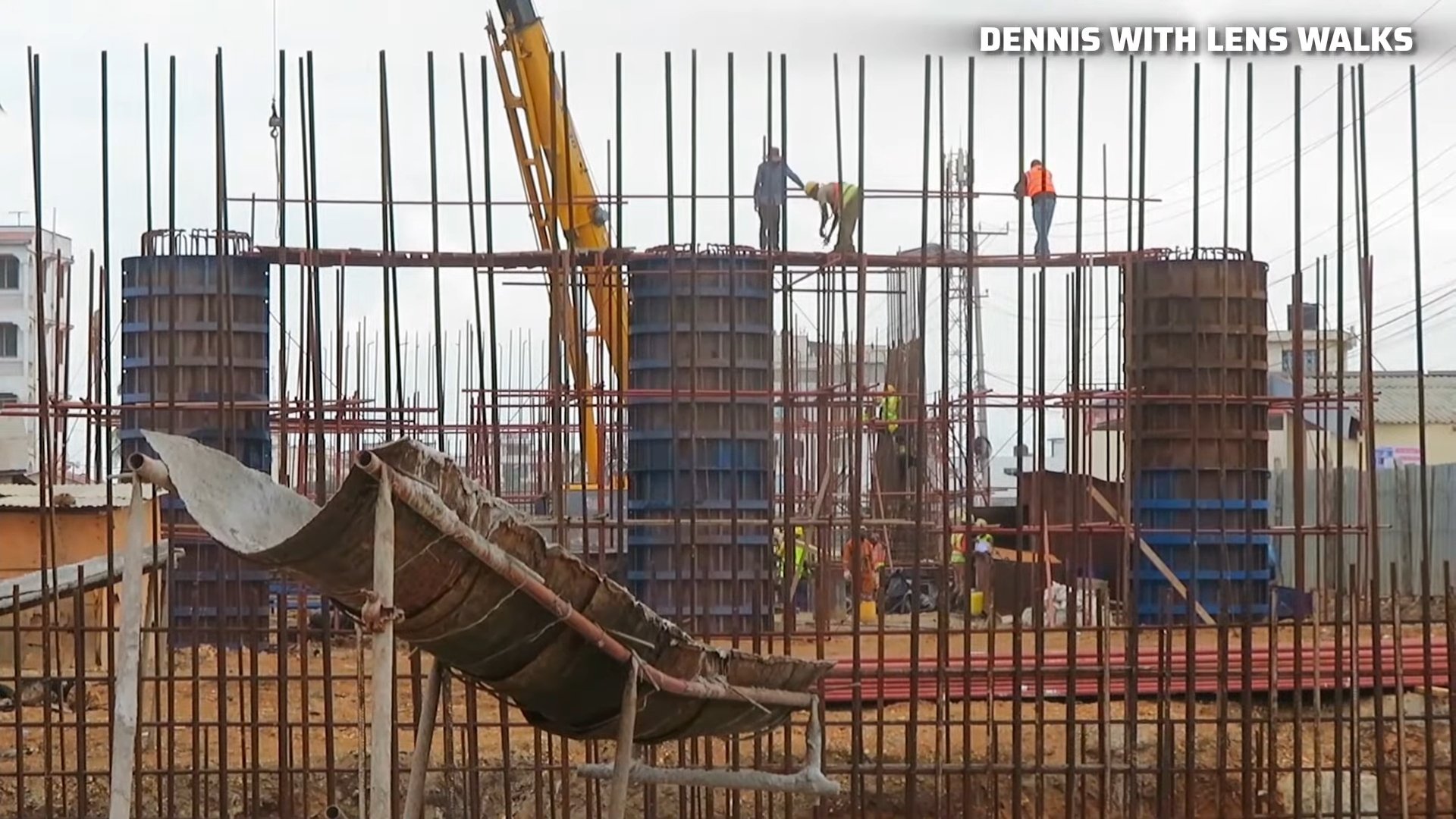

Construction of the new Bombolulu flyover has entered a critical phase, with teams of steel fixers and riggers actively assembling heavy vertical reinforcement frameworks and supporting scaffolds along the central median of the Mombasa to Malindi highway.

Mombasa - Kilifi highway dualing /Mjengo Hub
The active construction zone forms part of Lot 1 of the larger Mombasa to Kilifi dualing project. This extensive infrastructure program is designed to transform the coastal transit corridor into a high-capacity highway capable of handling growing regional freight and vehicular traffic.
A central objective of the ongoing expansion is to eliminate severe transport bottlenecks by introducing grade-separated intersections at major urban junctions. The dualing initiative directly complements other major coastal infrastructure works, including the upcoming construction of the new Mtwapa Bridge further north.

Pier formwork /Dennis With Lens Walks
Recent field operations at the busy Bombolulu workshop intersection show a clear transition toward above-ground development. Technical crews are focusing heavily on securing the structural steel matrices required for both the intermediate piers and the main terminal abutments.
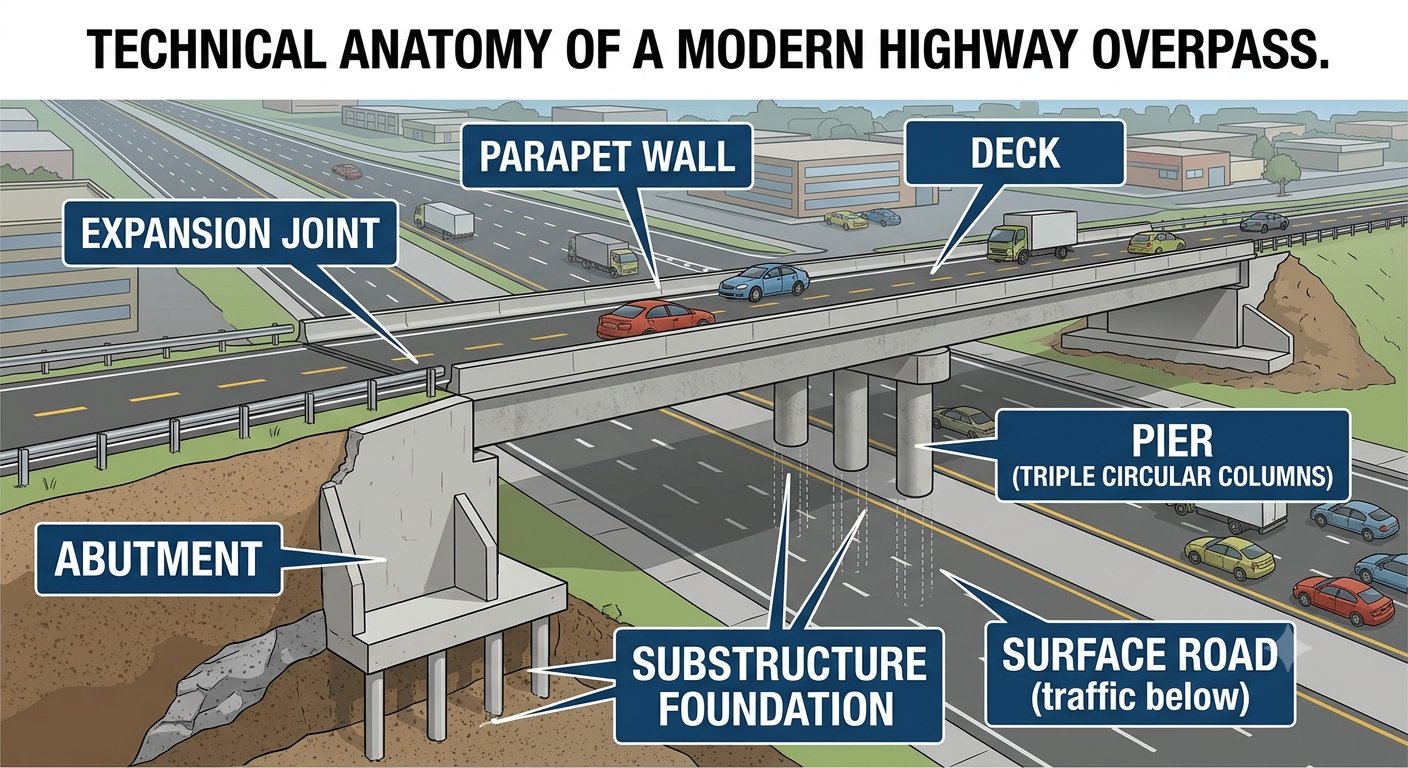
The anatomy of a modern highway overpass /Mjengo Hub
The metal frameworks currently being bound on-site serve as the internal structural cores for the upcoming concrete pours. These dense steel skeletons are engineered to provide the necessary load-bearing capacity for the heavy decks of the elevated dual carriageway.
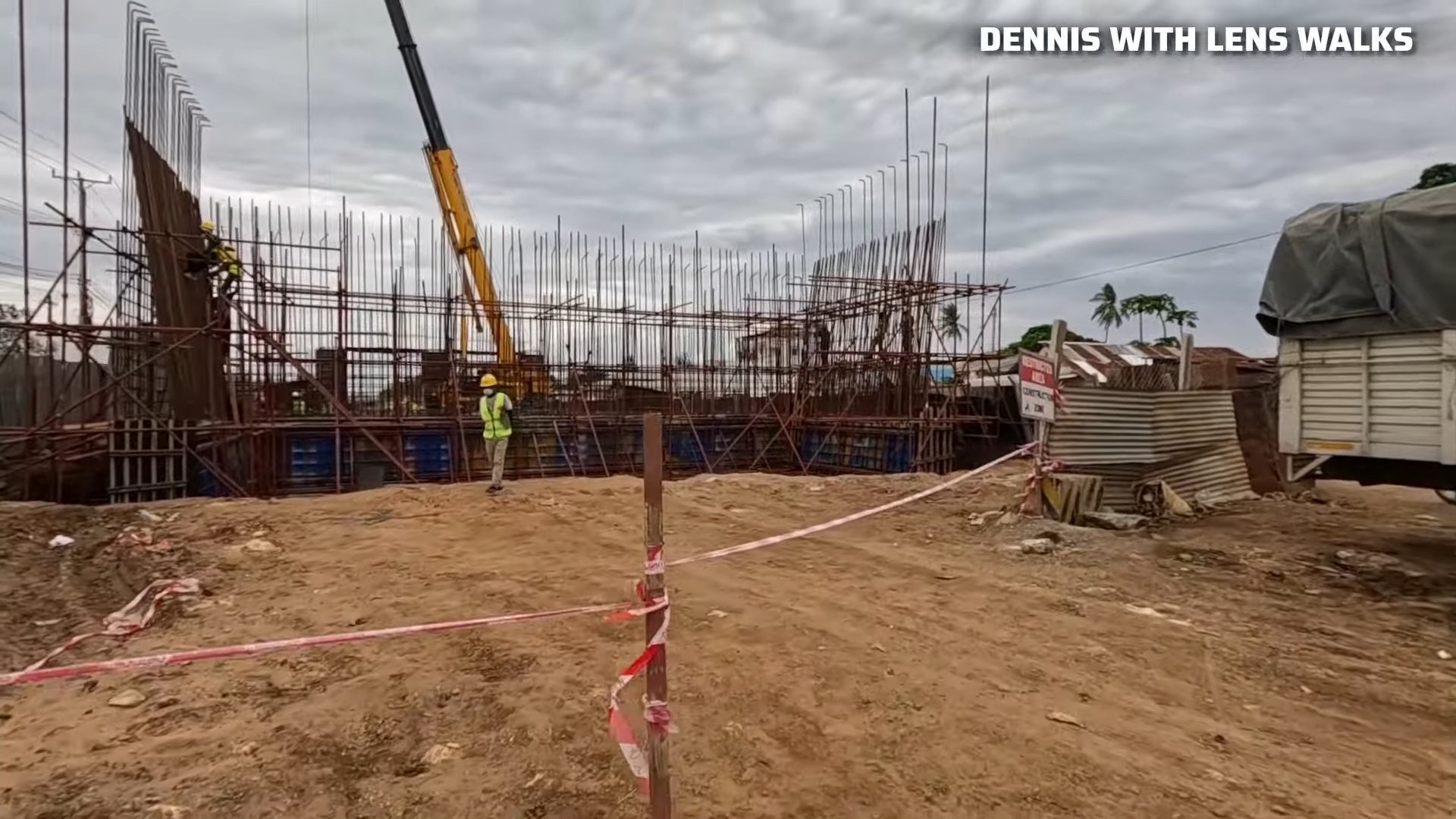
Abutment reinforcement steel /Dennis With Lens Walks
To safeguard public transit, contractors have maintained single-lane diversions around the active machinery zones. These temporary bypass roads allow commercial logistics and local passenger vehicles to navigate past the vertical assembly points without interrupting the daily flow toward Kilifi.
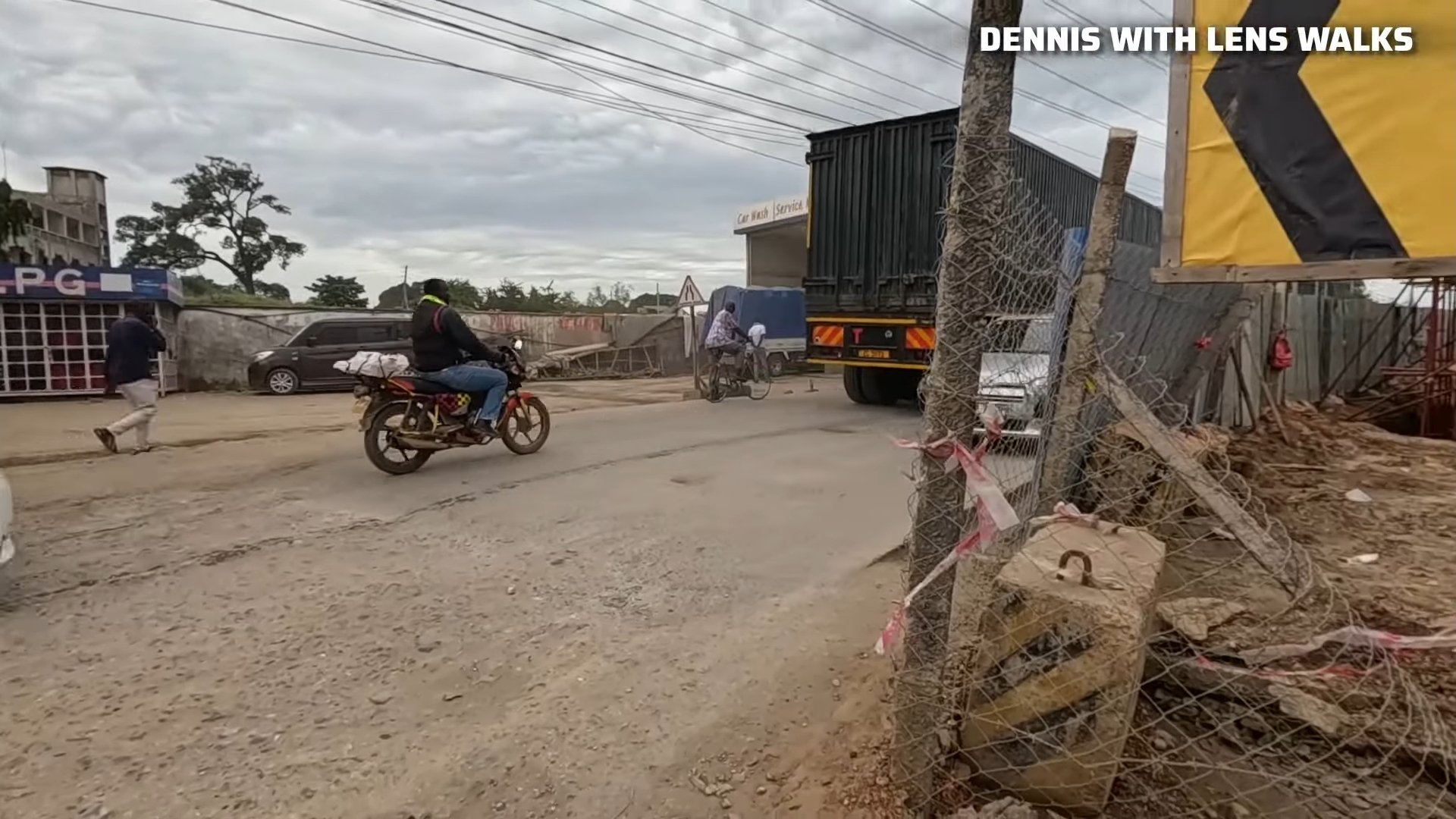
Diversions /Dennis With Lens Walks
Auxiliary paths have also been established along the outer road reserve specifically for pedestrians and motorcyclists. This distinct traffic layout keeps local commuters completely isolated from active overhead rigging, welding, and material handling zones in the median.
The central staging yard remains highly active, with heavy trucks delivering raw steel sections and modular components daily. Coordinating these materials within the tight urban confines of the township requires strict logistical management to avoid spilling into active traffic.
Site supervisors are enforcing rigorous quality control checks on the newly bound steel matrices before external formworks are locked. Verifying the placement of the reinforcement bars is mandatory before high-strength concrete casting can proceed on the piers.
Comments (0)
Leave a Comment
No comments yet. Be the first to share your thoughts!