
Stroke can strike at any age, interrupting lives within minutes. Globally, more than 12 million people experience a first stroke every year, according to the World Stroke Organisation. More than 60 per cent of cases occur in people below 70, while 16 per cent affect those under 50.
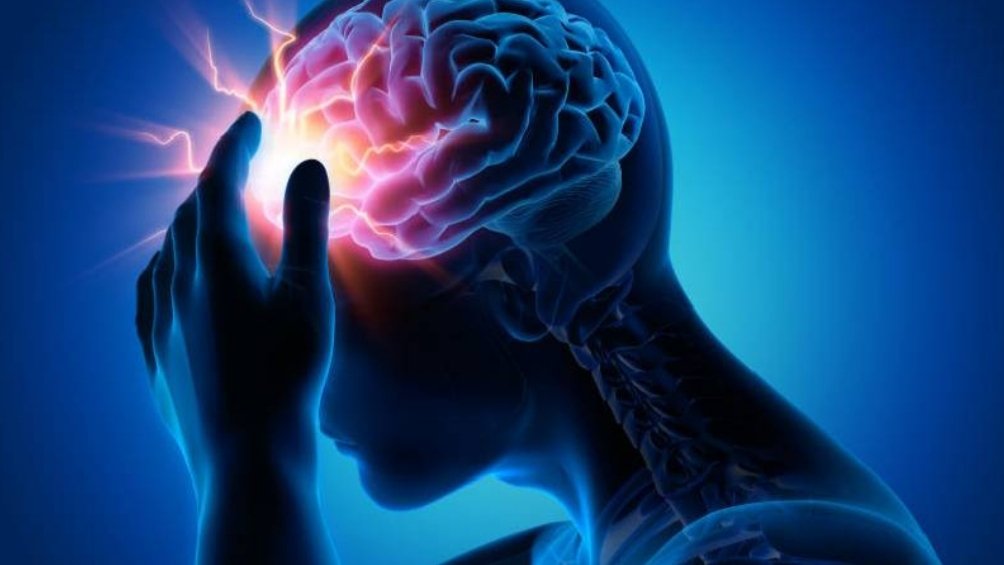
In Kenya, doctors are seeing the condition break older stereotypes about who is at risk. Dr Kuria Waweru, a vascular and endovascular neurosurgeon and chair of the Kenya Stroke Society, describes stroke as limited blood supply to an area of the brain.
There are two main types. An ischaemic stroke occurs when a blood vessel is blocked, usually by a clot or fatty deposits. A haemorrhagic stroke happens when a vessel ruptures and bleeds into the brain. Transient ischaemic attacks, or mini-strokes, produce temporary symptoms that can later lead to a full stroke.
Hypertension remains the single largest contributor. Kenya’s adult prevalence exceeds 28 per cent, yet fewer than 10 per cent of those with high blood pressure have it properly controlled. Many patients arrive with a stroke without knowing they had the condition.
Other risk factors include diabetes, unhealthy cholesterol levels, tobacco use, obesity, heavy alcohol consumption, physical inactivity and atrial fibrillation. A Lancet Neurology study noted a 20.4 per cent increase in stroke rates among people under 55 between 2000 and 2019.
Warning signs are summarised by the FAST acronym: Face drooping, Arm weakness, Speech difficulty and Time to seek emergency help. In Kenya the Kiswahili version UPESI is also used. Symptoms should never be ignored or attributed to ordinary tiredness.
Once a patient reaches hospital, doctors determine the type of stroke through urgent brain scanning. Treatment may involve clot-dissolving medicine, mechanical clot removal or measures to control bleeding. Dr Waweru estimates that fewer than one in 200 eligible patients in Kenya currently receive these advanced interventions.
Rehabilitation often involves physiotherapists, occupational therapists and speech therapists. Recovery can be lengthy and emotionally demanding as survivors relearn basic functions.
Prevention centres on knowing and controlling blood pressure and blood sugar, moderating salt, sugar and alcohol, staying active and avoiding tobacco. Routine check-ups can detect silent risks before they cause irreversible damage.
For stroke, every minute counts. Early recognition and rapid hospital arrival remain the most effective ways to limit long-term disability.
Comments (0)
Leave a Comment
No comments yet. Be the first to share your thoughts!