
The government has confirmed plans to dismantle the Liwatoni Floating Bridge in Mombasa, a project that cost Sh1.9 billion to ease congestion at the Likoni crossing. The decision comes after the structure proved to be a logistical hurdle for the Kenya Ports Authority as it seeks to optimize the movement of large vessels into the Port of Mombasa.
Construction of the 824-meter-long bridge began during the height of the COVID-19 pandemic. At the time, the primary objective was to reduce the overcrowding of commuters at the Likoni Ferry channel, where social distancing was impossible to maintain. The bridge was designed to be a temporary solution for the estimated 300,000 pedestrians who cross the channel daily, serving them until the completion of the permanent Mombasa Gate Bridge.
Transport Cabinet Secretary Kipchumba Murkomen recently indicated that the bridge is no longer viable in its current location. The opening and closing mechanism of the bridge, which allows ships to pass through the Kilindini Harbour, has created significant delays for maritime traffic. In a competitive regional shipping environment, the time lost waiting for the pedestrian bridge to open has become a cost the state is no longer willing to bear.
The suspension of the bridge's operations is not entirely new. Residents of Mombasa have reported that the facility has been largely inactive for several months. While the bridge was intended to operate during peak morning and evening hours, the increasing frequency of ship arrivals at the port meant that the bridge remained open to maritime traffic for longer periods, rendering it useless for commuters.
The decision to decommission the project has raised questions regarding the planning of infrastructure in the coastal city. Critics argue that the Sh1.9 billion investment has not provided value for money, given its short lifespan. However, the Ministry of Transport maintains that the bridge served its immediate purpose during the pandemic and that the focus must now shift to the Sh210 billion Mombasa Gate Bridge, which is being funded by the Japan International Cooperation Agency.
There is ongoing discussion about whether the bridge components can be salvaged and relocated. One proposal involves moving the structure to another site where it will not interfere with major shipping lanes. Potential locations include areas where smaller water bodies require pedestrian crossings that do not involve the scale of traffic seen at the Port of Mombasa.
For now, pedestrians have been forced back to the Likoni ferries. The state has increased the number of vessels at the channel to handle the surge in numbers, but the underlying congestion issues remain. The Kenya Ports Authority has emphasized that the priority remains the Blue Economy and ensuring that Mombasa remains a preferred hub for international shipping lines, which requires an unobstructed entrance to the harbor.
The removal of the Liwatoni structure will likely take several months once the final technical approvals are granted. Engineers will need to carefully dismantle the floating sections and the fixed piers on both the Mombasa Island and Likoni sides. This process will be coordinated to ensure it does not cause further disruptions to the very shipping activities the decommissioning is meant to protect.
Government to Decommission the Ksh 1.9 Billion Liwatoni Bridge as Port Operations Take Priority
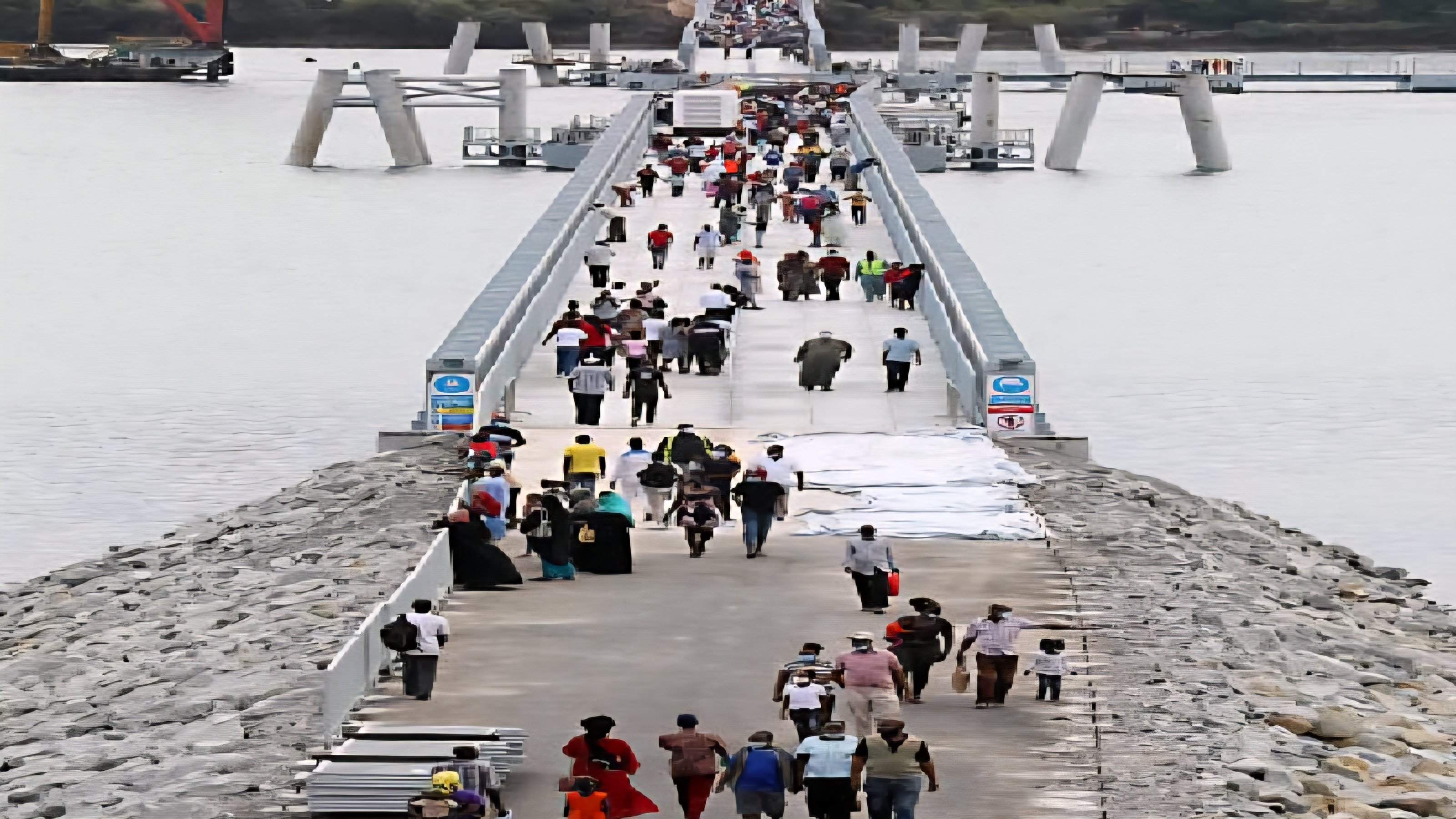
The 824-meter Liwatoni Floating Bridge, pictured here connecting Mombasa Island to the Likoni mainland, is slated for removal to prevent further delays to international shipping vessels entering the port
|
Standard Newspaper

The Sh1.9 billion Liwatoni Floating Bridge in Mombasa is facing decommissioning just years after its completion as the government prioritizes ship movement and port efficiency over the pedestrian link.
Comments (0)
Leave a Comment
No comments yet. Be the first to share your thoughts!