

Kenya’s education system is undergoing one of its biggest changes in decades as the Competency-Based Curriculum (CBC) replaces the long-standing exam-focused model. The shift aims to redefine how learners are taught, assessed and prepared for life.
For many years, the 8-4-4 system shaped education around passing national examinations. Success was often measured by grades, leaving little room for practical skills, creativity or individual talents among learners.
CBC introduces a different approach by focusing on what students can do rather than what they can memorize. It seeks to develop knowledge, skills, values and attitudes needed in both school and daily life.
The curriculum was rolled out in 2017 and follows a 2-6-3-3-3 structure. This includes two years of pre-primary, six years of primary, three years of junior school and three years of senior school.
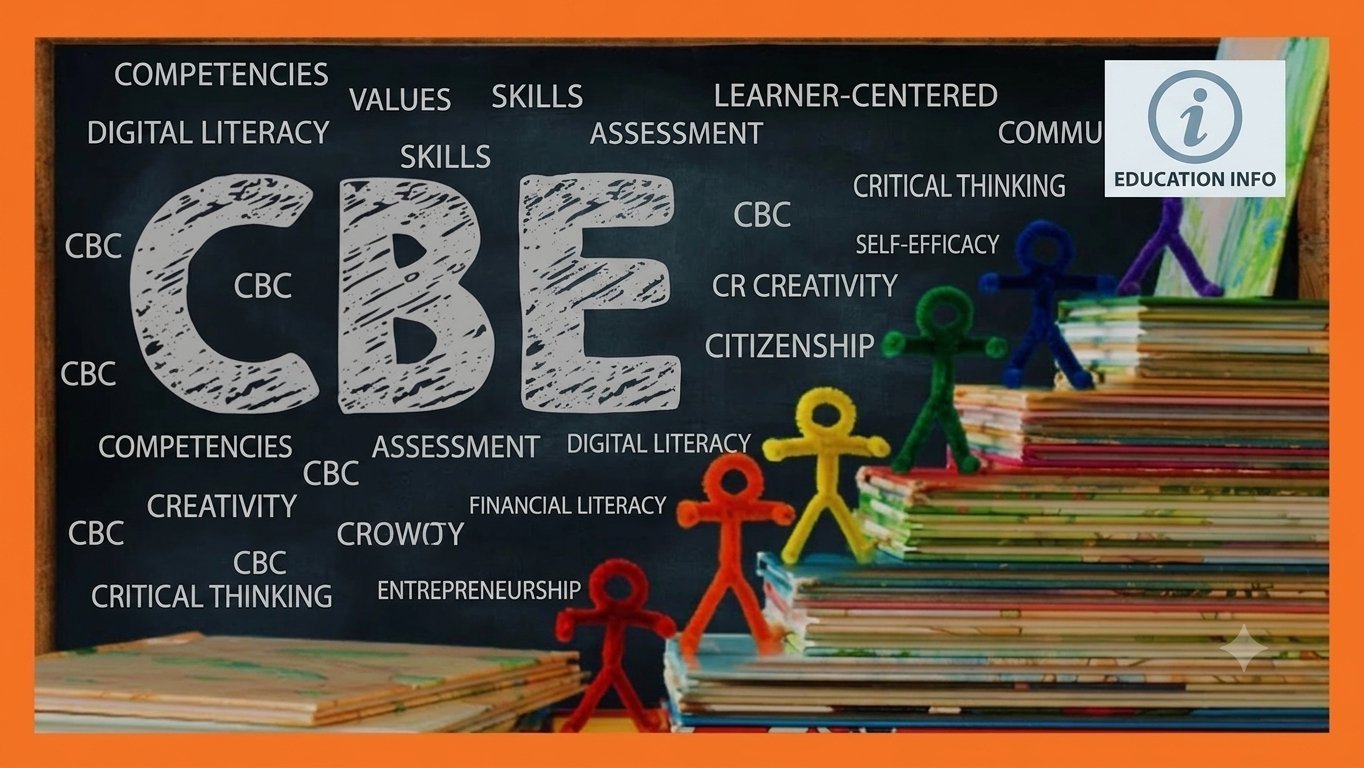
Kenya refined its CBC into Competency-Based Education (CBE) to address rollout challenges. CBC shifted from rote learning to skills but faced issues with teacher training, infrastructure, and costs.
CBE expands this into a holistic system stressing practical application, flexible pathways, and comprehensive support for inclusive, real-world education. We are going to use them interchangeably in this article.
At the center of CBE is the idea of competency. Learners are expected to build abilities in communication, problem- solving, digital literacy, creativity and self-awareness, among other areas important for modern society.
Teachers are now expected to guide learners through practical tasks instead of relying mainly on lectures. Classroom activities often involve group work, projects, presentations and hands-on exercises that test understanding.
This change has shifted the role of learners as well. Students are encouraged to be active participants in their learning process, asking questions, exploring ideas and working together to solve problems.
Assessment under CBE has also changed. Unlike the 8-4-4 system, where final exams carried the most weight, CBC uses continuous assessment to track progress over time in different learning areas.
The Kenya National Examinations Council now plays a broader role in assessing competencies through school-based tasks and national evaluations. This aims to provide a fuller picture of a learner’s growth.
Supporters of CBE say the system helps identify talents early. Learners who are skilled in sports, music, arts or technical work can now receive recognition and support within the school system.
Parents have become more involved in education under CBE. Many assignments require family participation, making homes part of the learning process and strengthening communication between teachers and parents.
However, the transition has not been without challenges. Some parents and teachers have raised concerns about the cost of materials needed for practical activities and projects.
Teachers have also reported pressure from increased workloads, especially in preparing assessments and keeping detailed learner records. Training remains an important part of helping teachers adjust to the system.
Infrastructure gaps in some schools have slowed the full implementation of CBC. Limited classrooms, laboratories and digital devices make it harder to deliver practical lessons effectively.
The transition to junior secondary has also brought debates over funding, staffing and school readiness. Questions about how learners will move into senior school continue to shape public discussion.
Despite these challenges, education experts argue that CBC reflects the changing needs of society. Employers increasingly demand practical skills, innovation and adaptability, qualities the new curriculum aims to nurture.
The government says CBC is designed to align education with national development goals. It seeks to produce learners who can contribute to economic growth and solve community challenges.
For many families, the biggest test remains understanding how the new system works. Awareness campaigns and clear communication are seen as key in reducing confusion and building trust.
As Kenya continues this transition, CBE remains a work in progress. Its success will depend on strong support for teachers, proper resources, and consistent policies that place learners at the center.
The move from exams to competencies marks a major change in Kenyan education. Whether it fully delivers on its promise will become clearer as the first groups of CBC.
Comments (0)
Leave a Comment
No comments yet. Be the first to share your thoughts!