
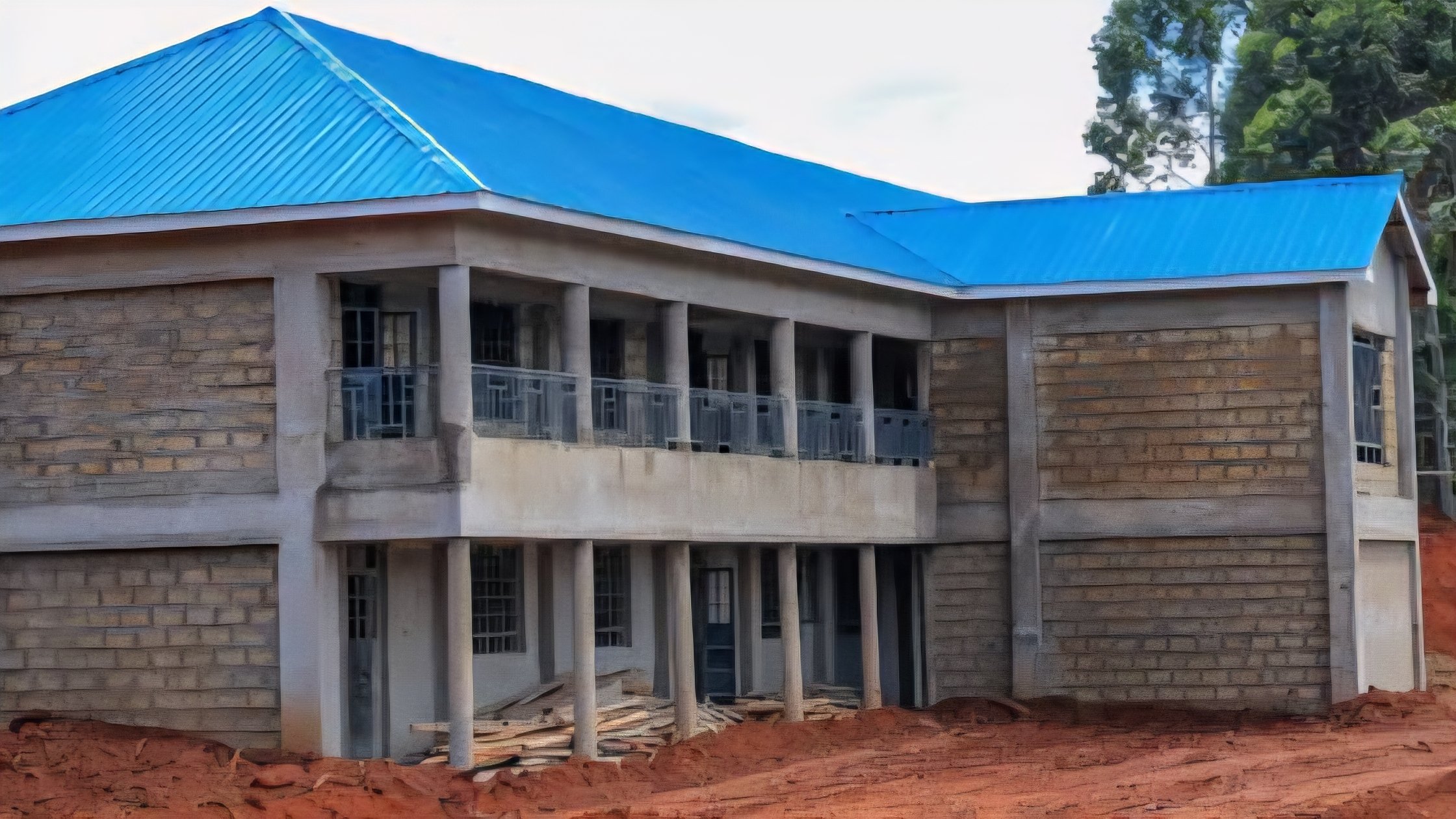

The transition of the first cohort of the Competency-Based Curriculum (CBC) into Grade 10 has encountered significant logistical hurdles as secondary schools across the country grapple with a lack of physical infrastructure. While the Ministry of Education issued a directive for all students to be admitted to Senior School, many institutions have reported that they are unprepared for the influx of learners. The situation is further complicated by a lack of clarity regarding the specific learning pathways and the delayed distribution of instructional materials.
Headteachers in several regions have voiced concerns over the state of preparedness. In many schools, the available classrooms are already at capacity with the existing Form Two, Three, and Four classes under the outgoing 8-4-4 system. The addition of Grade 10 learners, who represent the pioneer CBC class moving into the senior secondary phase, has pushed some schools to utilize laboratories, libraries, and dining halls as makeshift learning spaces. This overcrowding raises questions about the quality of education and the safety of the learners in these congested environments.
The government had previously indicated that it would provide funding for the construction of additional classrooms to support the CBC transition. However, many school boards of management report that these projects are either incomplete or have yet to commence. The shortfall in desks and chairs is also a pressing issue. Some parents arriving for admission have been asked to wait or seek alternatives because the schools simply cannot accommodate more bodies in the current facilities.
The Ministry of Education policy states that no student should be turned away from school due to unpaid fees. This "no-fee" directive, reinforced by recent executive statements, aims to ensure 100 percent transition. Despite this, school administrators argue that the lack of capitation funds makes it nearly impossible to run institutions without some form of financial contribution from parents. Without these funds, schools struggle to pay for essential services such as water, electricity, and the salaries of non-teaching staff, further straining the already limited resources available for infrastructure maintenance.
Another layer of the crisis involves the specialized equipment required for the different pathways in Senior School. The CBC structure for Grade 10 is designed to allow students to choose between Social Sciences, Arts and Sports, or Science, Technology, Engineering, and Mathematics (STEM). Most public schools currently lack the specialized workshops and specialized equipment necessary to facilitate the Arts and Sports or STEM pathways effectively. This has led to a situation where students are being admitted into schools that cannot actually offer the specific curriculum they are supposed to follow.
Parents have expressed frustration over the mixed signals from the government and school heads. While the national narrative suggests a smooth transition, the reality on the ground at the school gates often involves long queues and uncertainty. Some families have reported being told that their children can only be admitted if they provide their own lockers and chairs, requirements that add a financial burden to households already struggling with the cost of uniforms and basic supplies.
As the first week of the academic year progresses, the pressure on the Ministry of Education to release more funds for infrastructure and capitation remains high. Education stakeholders continue to call for an urgent audit of school facilities to determine the exact deficit and to fast-track the completion of ongoing construction projects. Until these physical and financial gaps are bridged, the transition to Senior School remains a logistical challenge for the Kenyan education sector.
Comments (0)
Leave a Comment
No comments yet. Be the first to share your thoughts!