
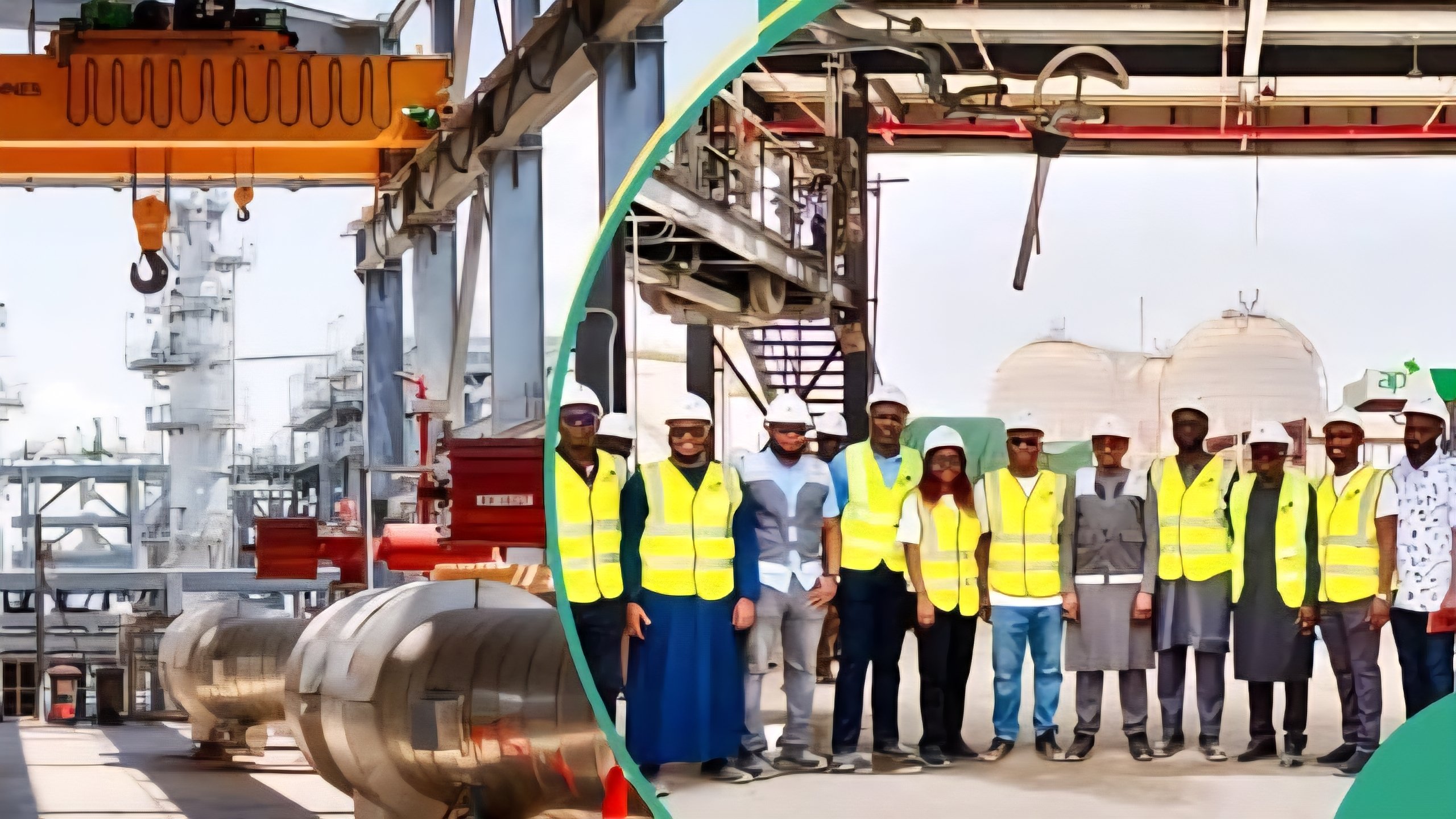

The Dongo Kundu Special Economic Zone in Mombasa is facing a critical bottleneck as the slow rollout of supporting infrastructure begins to dampen investor momentum. While the 3,000-acre site has been marketed as a cornerstone of Kenya’s industrial future, firms that have already secured land are expressing growing anxiety over the lack of basic utilities. Concerns are mounting that without immediate intervention to provide electricity, water, and internal road networks, the ambitious timelines for several major projects will remain out of reach.
During a recent site visit, Trade and Industry Cabinet Secretary Lee Kinyanjui assessed the progress of the Taifa Gas terminal, a Sh16 billion project that is currently 80 percent complete. The facility is intended to become a major regional hub for liquefied petroleum gas (LPG) and is expected to be operational by March 2026. However, even as this anchor project nears the finish line, its full operational capacity depends on the government’s ability to deliver the broader infrastructure package promised to the zone.
Investors have pointed to a disconnect between the marketing of the zone and the reality on the ground. Several firms have secured land but are hesitant to move into the full-scale construction phase. The primary risks cited include the absence of reliable power connections and a lack of paved internal access roads to move heavy machinery and materials. Without a functional sewer system and a steady water supply, industrial operations remain technically impossible.
The situation has created a tiered reality within the zone. A few early movers, such as Taifa Gas and Revital Healthcare, are pushing forward with construction, but others have opted to slow their capital expenditure. One investor, speaking on condition of anonymity, indicated that they are holding back significant resources until they see physical evidence of utility connections. The risk of mobilising equipment only to have it sit idle due to power outages or lack of water is a scenario many are unwilling to entertain.
The Special Economic Zone Authority (SEZA) and the Kenya Ports Authority (KPA), which took over oversight of the project in 2024, are under pressure to bridge these gaps. The development master plan, supported by the Japan International Cooperation Agency (JICA), envisioned an integrated ecosystem of free ports, logistics hubs, and industrial parks. While the Dongo Kundu Bypass and port access works have made physical progress, the "last mile" infrastructure within the zone itself is behind.
Industry experts warn that these delays carry a high opportunity cost. With more than 100 companies having expressed interest in the zone, the vetting process has only approved a handful to begin construction. Kenneth Chelule, the CEO of SEZA, recently noted that only four companies have been fully cleared to start work, with a target of approving perhaps two more by the end of the year. The slow pace of vetting, combined with infrastructure uncertainty, risks cooling the initial enthusiasm shown by international manufacturing and logistics firms.
The government has earmarked billions for the Mariakani-to-Dongo Kundu power transmission line and other utility grants, but the physical delivery of these services remains the missing link. For the Dongo Kundu SEZ to move from a site of potential to a site of production, the focus must shift from high-level policy to the immediate completion of the internal road networks and utility grids that industrial operations require. Until these basic foundations are laid, many of the multi-billion shilling investments remain on paper rather than on the ground.
Comments (0)
Leave a Comment
No comments yet. Be the first to share your thoughts!