
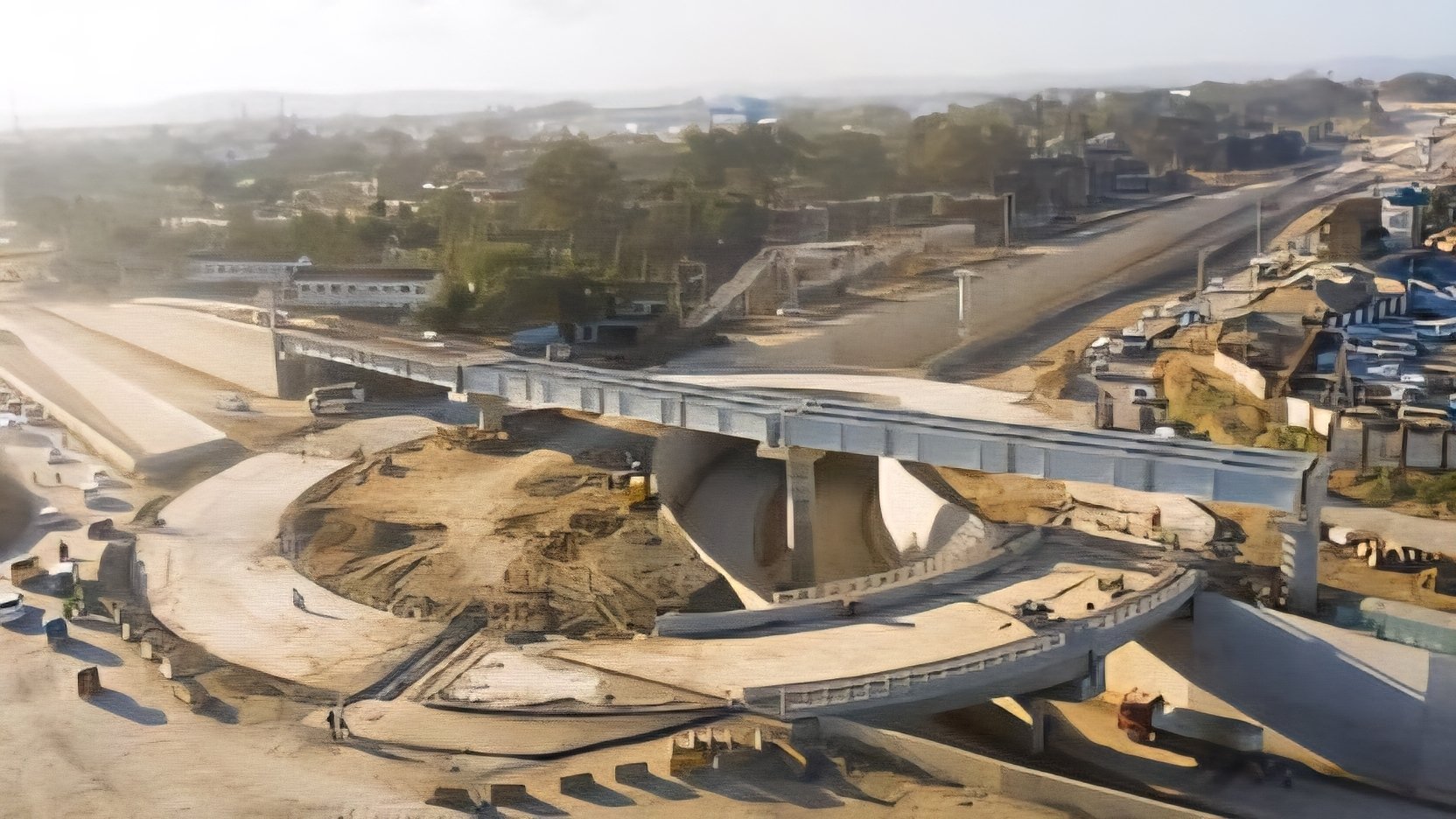

The Kenya National Highways Authority (KeNHA) has outlined plans to upgrade about 123 kilometres of roads across Elgeyo Marakwet and neighbouring areas, a project expected to displace some residents along the affected routes.
Details of the plan emerged from an environmental impact assessment report KeNHA submitted to the National Environment Management Authority (NEMA). The report covers three separate road sections forming part of the wider upgrade package.
The largest stretch is the 72-kilometre Biretwo-Chesongoch road, followed by 32 kilometres along the Nyaru-Kapkayo road and 19 kilometres on the Kimwamer-Emsea road. Combined, the three sections make up the 123-kilometre project.
Land displacement featured as one of the assessment's central concerns. KeNHA said it intends to adjust the road alignment where possible to reduce how much land the project ultimately requires.
Affected residents will fall under a resettlement action plan, according to the authority, with compensation set to be completed before construction work begins on any section.
The project is also expected to reshape the surrounding landscape. KeNHA said earthworks will be restricted to approved road corridors, with cut-and-fill techniques balanced to limit disruption beyond those boundaries.
Landslide risk features prominently in the assessment given the terrain involved. Proposed mitigation includes retaining walls, gabions, rockfall protection structures and drainage systems designed to manage water flow around vulnerable sections.
Soil erosion ranks among the other flagged risks, with KeNHA planning to limit vegetation clearance and install silt fences and sediment traps to contain loose soil during construction.
Residents near the project corridor have been warned to expect dust during the works. KeNHA said it will water exposed surfaces regularly and require trucks carrying loose materials to keep loads covered.
Noise and vibration controls are also planned, including restricting blasting and rock-breaking activity to daytime hours, avoiding sensitive locations where possible, and maintaining construction equipment to reduce excess noise.
Motorists using the three roads have been told to expect frequent disruptions once construction begins, though KeNHA said most work will take place during off-peak hours to ease congestion.
The assessment additionally outlines measures to protect water sources, wildlife and vegetation near the project area, including monitoring downstream water quality and controlling pollutants generated during construction. KeNHA also flagged health risks tied to an influx of construction workers, including HIV and other sexually transmitted infections, and proposed a worker code of conduct alongside health awareness programmes as mitigation.
The upgrade forms Phase 1 of the Great Rift Economic Development Corridor Project, funded by the African Development Bank. Government estimates put the full corridor's development cost at between Sh170 billion and Sh200 billion.
The project spans Elgeyo Marakwet and parts of Uasin Gishu County, linking the Eldoret-Malaba highway to the Kenya-South Sudan link road. The region is heavily agricultural, and the current roads often become impassable during rainy seasons, a factor authorities say has previously driven up post-harvest losses for local producers.
Comments (0)
Leave a Comment
No comments yet. Be the first to share your thoughts!