
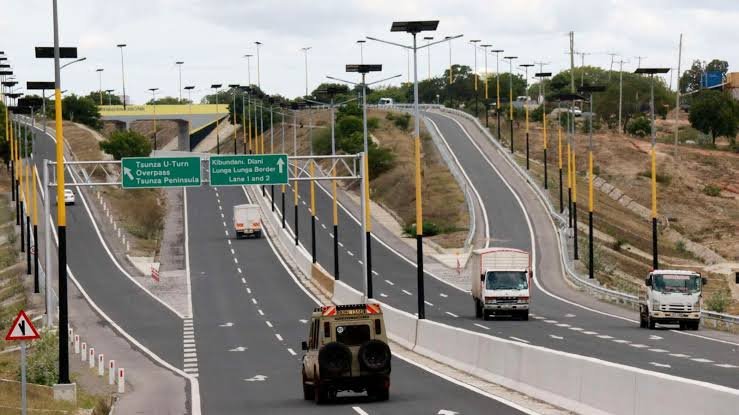

The recent commissioning of the Dongo Kundu bypass was expected to provide an immediate solution to the perennial congestion at the Likoni ferry crossing. However, weeks after the Sh40 billion infrastructure project opened to the public, the anticipated shift in traffic remains slow.
Most private motorists and public service vehicle operators still prefer the ferry, despite its frequent mechanical breakdowns and unpredictable waiting times. The primary deterrent appears to be the significant increase in distance for those traveling between Mombasa Island and the south coast.
While the bypass offers a seamless road connection, it adds approximately 30 kilometers to a trip that would otherwise be a direct 500-meter ferry crossing. With fuel prices remaining high, many drivers find the cost of the extra mileage harder to justify than the time lost in ferry queues.
Local commuters, who often plan their day around the ferry schedule, note that the bypass is only economical for those heading toward the interior of Kwale or the Tanzanian border. For those working within Likoni or the immediate environs of the mainland south, the ferry remains the only logical choice.
The Kenya National Highways Authority (KeNHA) designed the bypass to provide a reliable alternative that bypasses the city center entirely. It consists of a series of bridges and high-specification roads stretching from Miritini to Ng’ombeni, intended to spark industrial growth in the Special Economic Zone.
Despite the low uptake from local city drivers, the bypass has seen some success with heavy-duty trucks and long-distance buses. These larger vehicles, which often faced 12-hour delays at the ferry during peak seasons, are now opting for the bypass to ensure timely deliveries and passenger safety.
The Ministry of Roads and Transport had hoped the new route would reduce the pressure on the aging ferry fleet. Currently, the Kenya Ferry Services operates under the Kenya Ports Authority, struggling to maintain a consistent schedule with a fleet that often requires intensive repairs.
For the average Mombasa driver, the decision is a calculation of time versus money. The ferry is free for pedestrians and relatively cheap for small vehicles, whereas the fuel consumption required to navigate the bypass adds a daily financial burden that many are unwilling to bear.
Market traders from Kwale, who bring fresh produce to the Kongowea market, argue that the bypass increases their overheads. They claim that the extra fuel spend reduces their profit margins, which are already stretched by the rising cost of living in the coastal region.
Urban planners suggest that usage of the Dongo Kundu bypass will likely increase once the planned industrial hubs and housing projects along the route are fully developed. Until then, the Likoni ferry will continue to be the main artery for the city, even with its well-documented challenges.
The government is also looking into the construction of the Likoni Gate Bridge, a permanent fixed link that would eventually replace the ferry entirely. However, that project is still in its early stages, leaving the bypass as the only current alternative to the water crossing.
As the holiday season approaches, authorities expect a slight uptick in bypass usage from tourists who wish to avoid the chaotic scenes at the ferry terminal. For the local resident, however, the ferry remains a frustrating but necessary part of daily life.
Comments (1)
Leave a Comment
Jackie Arkle
Mar 08