
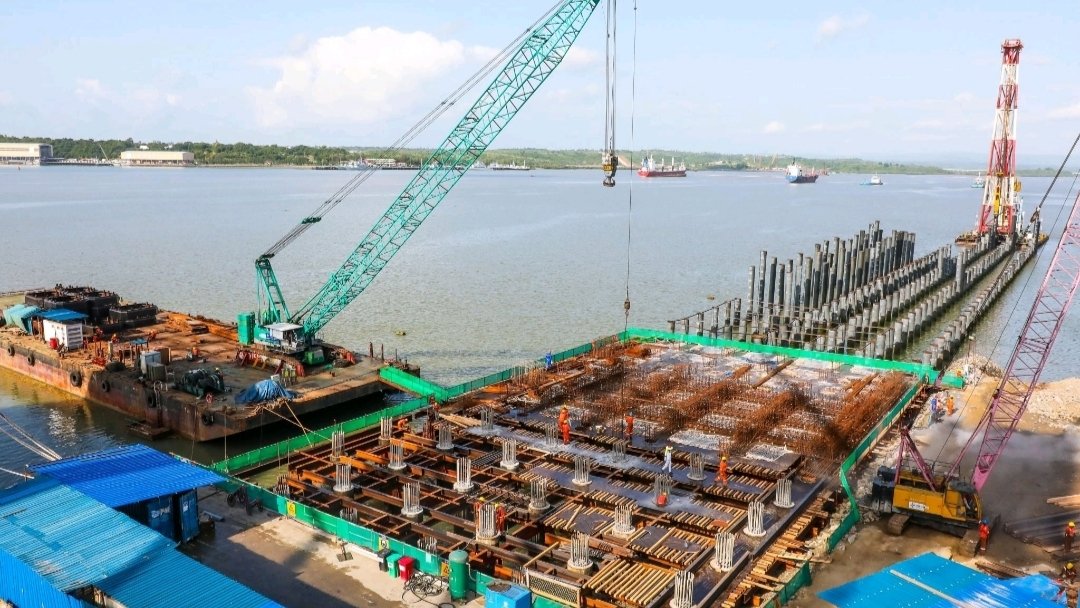

Kenya Ports Authority (KPA) is pushing ahead with construction on Berth 19B, a major quay extension at the Port of Mombasa. The project forms part of wider efforts to expand and modernise the port as cargo volumes continue to increase through East Africa’s busiest maritime gateway.
The new berth will add 240 metres of quay length and feature a 15-metre draft. This will enable the port to serve container vessels of up to around 45,000 deadweight tonnage. Larger ships need deeper water and more berthing space for efficient manoeuvring, and the upgrade directly addresses that requirement.
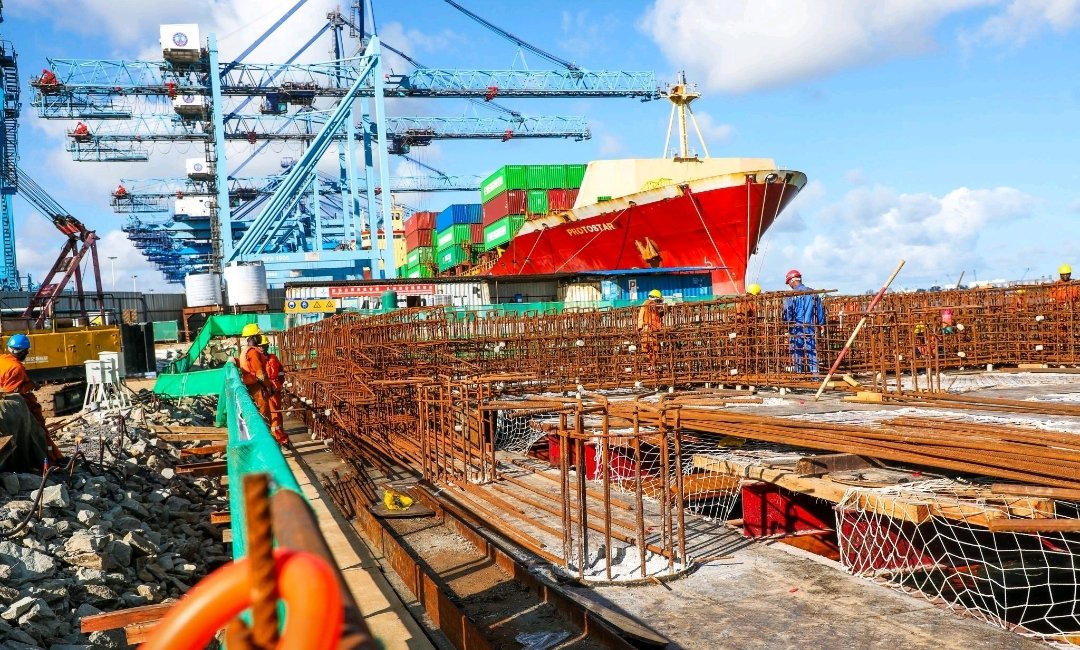
Ongoing works
When completed, Berth 19B should provide an extra 300,000 TEUs of annual handling capacity. Officials expect this to ease congestion at current berths, reduce vessel turnaround times and support smoother cargo movement out of the port. Work includes building the quay wall, dredging the channel, expanding container yards and tying in new infrastructure with existing terminal operations.
The Port of Mombasa handles the bulk of seaborne trade for Kenya and several neighbouring countries including Uganda, Rwanda and South Sudan. Steady rises in cargo throughput have put pressure on older facilities, making this extension a key response to growing demand.
Site images show construction equipment such as large cranes already active along the waterfront. KPA describes the development as a forward-looking investment to keep the port competitive and ready for future trade needs in the region.
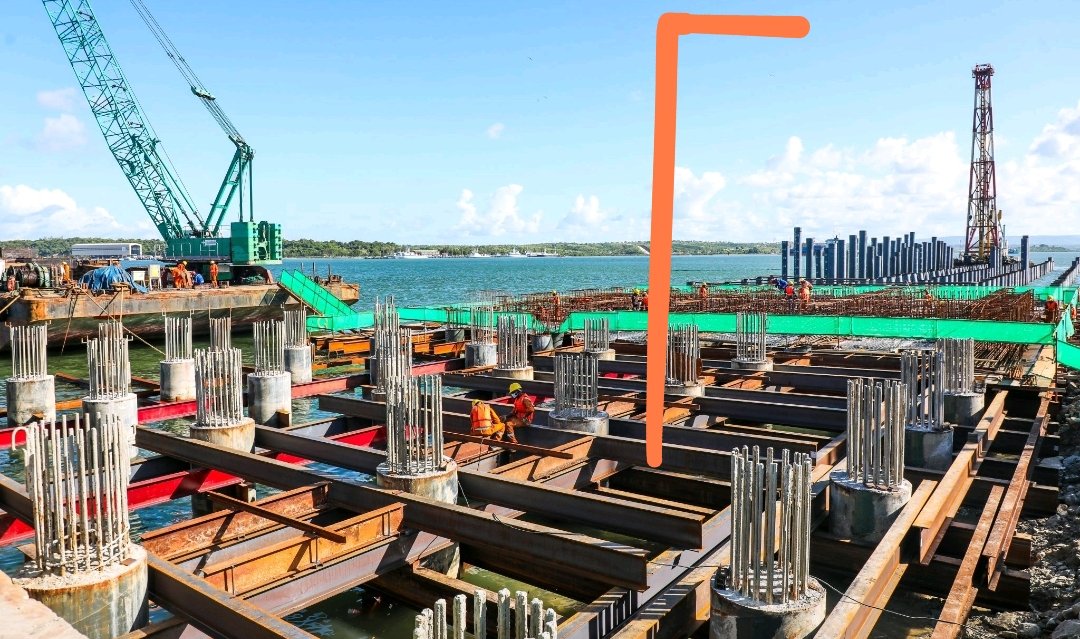
Ongoing works
This berth builds on previous upgrades at Mombasa, including new container terminals and equipment refreshes. The focus here is on deeper drafts and longer quay space to match trends in international shipping where vessels keep getting bigger.
Port congestion has been an occasional issue, especially when handling modern ships at older berths with shallower depths. The 15-metre draft planned for Berth 19B marks a clear improvement. Dredging remains a central part of the work to guarantee safe access.
Such projects create opportunities for Kenyan firms, engineers and workers in marine construction and port operations. They often require a mix of local labour and specialised technical input.
The port’s performance matters for importers, exporters and supply chains across East Africa. Greater capacity and faster handling should bring more predictable operations and help contain logistics costs over time.
KPA has stressed that the new berth will integrate smoothly with current systems to limit disruption while building. Recent updates indicate active progress on site, though a precise completion date was not detailed in the latest announcement.
Mombasa faces competition from other ports in the region, while Lamu Port developments proceed further north. Keeping the established facility strong remains a priority. Berth 19B forms one piece of that strategy.
Stakeholders will monitor progress through metrics like added capacity, vessel calls and turnaround improvements. Standard environmental practices apply to the dredging and construction phases.
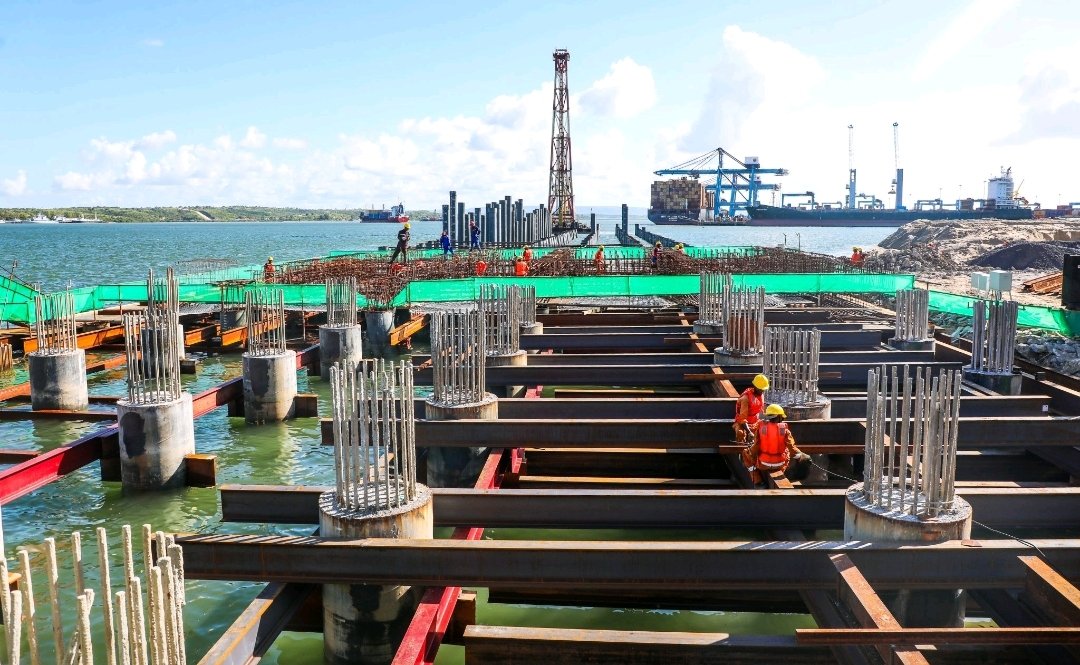
Ongoing works
For Kenya’s construction industry, the ongoing works add to activity in the ports sector. They complement other linked projects such as improved road access and logistics zones around the port.
The Port of Mombasa has served as a vital trade link for decades. Continued investment in expansions like Berth 19B helps secure its place amid larger ships and higher cargo expectations. KPA positions the project as essential to maintaining the port’s role as the region’s top logistics and trade hub.
Comments (0)
Leave a Comment
No comments yet. Be the first to share your thoughts!