
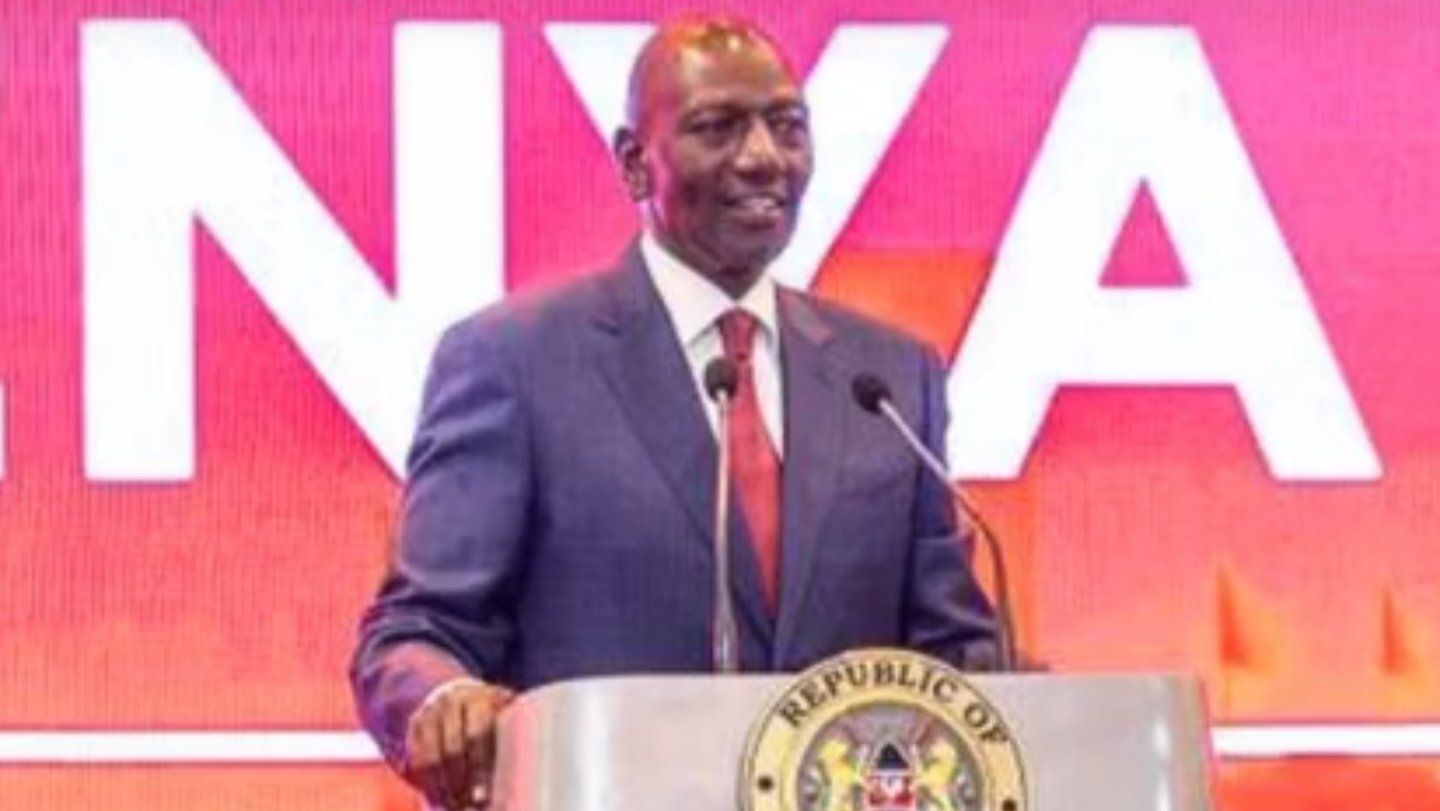

President William Ruto has announced a major road development plan that will include upgrading the Mombasa to Nairobi highway and constructing an additional 2,800 kilometres of highways across the country. The project is expected to improve transport efficiency, support trade and ease the movement of goods and people. It is also aimed at strengthening links between key economic zones and improving access to remote areas.
The government estimates that the entire investment will cost between Ksh1.3 trillion and Ksh1.9 trillion. According to Ruto, the funding will be directed toward expanding key transport corridors that connect major towns, ports and industrial centres, helping to strengthen Kenya’s economic network and regional access. He said the plan is part of efforts to support long-term national growth.
The Mombasa-Nairobi highway, one of the busiest transport routes in East Africa, is expected to undergo major improvements. The upgrade aims to reduce traffic congestion, lower transport costs, and improve safety for both commercial trucks and private vehicles travelling between the coastal city and the capital. The route is also key for regional trade through the Port of Mombasa.
In addition to this main corridor, the government plans to build and improve 2,800 kilometres of highways in other parts of the country. These roads are expected to connect rural and urban areas, making it easier for farmers and small businesses to access markets and services. This is expected to help reduce delays in transporting goods.
Ruto said the project is part of a wider plan to modernize Kenya’s infrastructure and support long-term development goals. He noted that better roads will help open up new investment opportunities, especially in manufacturing, agriculture and tourism, which depend heavily on reliable transport systems. Improved infrastructure is also expected to support regional trade.
The government also expects the project to create thousands of jobs during construction. Engineers, labourers, suppliers and transport workers are likely to benefit from increased activity in the road sector. Authorities say this will help boost income levels in different regions and support households that depend on daily wages and project-based work.
Funding for the project will come from a mix of public resources and partnerships with private investors. The government is exploring different financing models to ensure the project is completed without putting too much pressure on the national budget while still maintaining quality standards. Officials say transparency will be important in managing the funds.
Once completed, the expanded highway network is expected to improve connectivity across the country. Officials believe this will reduce travel times, lower the cost of doing business and support the movement of goods between Kenya and neighbouring countries through key trade routes. It is also expected to improve road safety and reduce vehicle operating costs over time.
The plan is part of Kenya’s broader infrastructure agenda, which focuses on modern roads, better logistics systems, and improved regional integration. The government says these developments will help position Kenya as a stronger trade hub in East Africa, while also improving the daily lives of citizens who depend on road transport for work and services.
Comments (0)
Leave a Comment
No comments yet. Be the first to share your thoughts!