
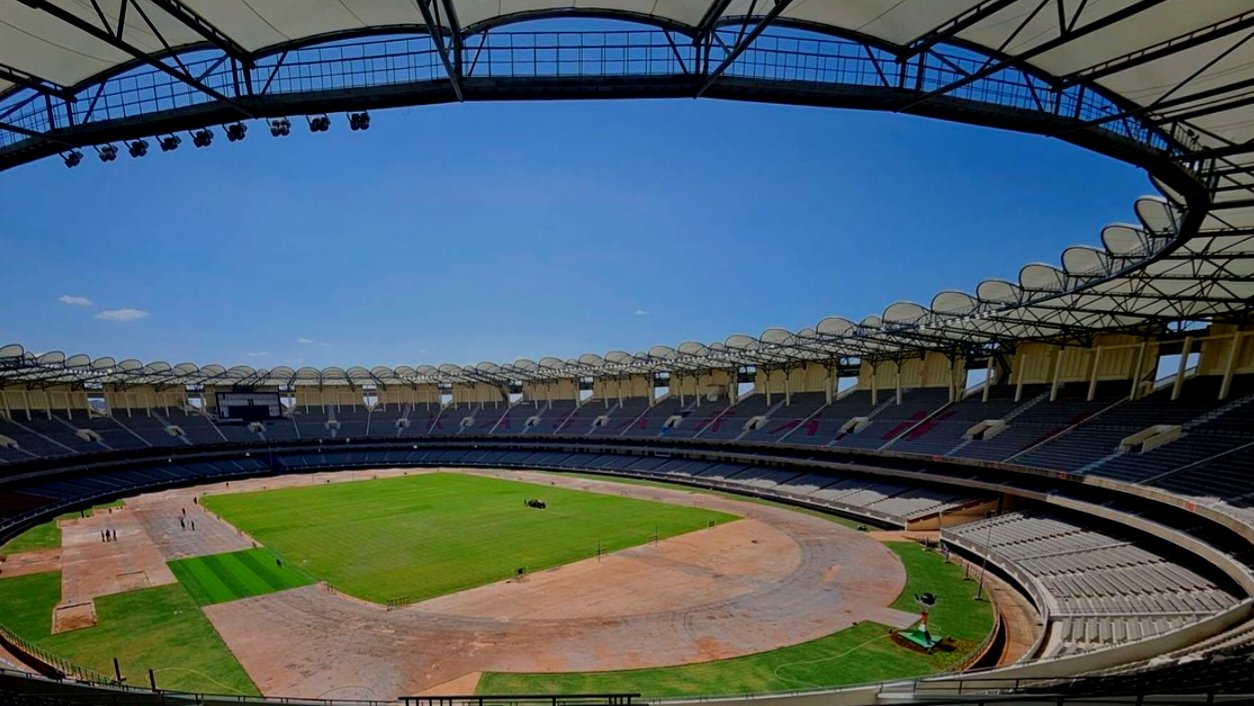

The Kenyan government has moved to secure the country’s sporting infrastructure by announcing the immediate closure of the Moi International Sports Centre, Kasarani, and the Nyayo National Stadium. The decision follows a directive from the Ministry of Youth Affairs, the Arts and Sports, aimed at bringing the facilities up to the international standards required by the Confederation of African Football (CAF).
Kasarani Stadium was the first to be handed over to contractors, with the Nyayo National Stadium following shortly after. This move is part of the broader "Pamoja" bid strategy, a joint effort between Kenya, Uganda, and Tanzania to host the 36th edition of the Africa Cup of Nations (AFCON) in 2027. While the regional bid was successful, the current state of Kenya’s existing venues has long been a point of contention with continental football inspectors.
The scope of work at these facilities is expected to be comprehensive. At Kasarani, the focus will involve a complete overhaul of the pitch, the installation of modern seating arrangements to replace the current concrete surfaces in certain sections, and a total redesign of the changing rooms and media centers. These areas have previously failed to meet the stringent criteria set by CAF for high-level international fixtures.
Engineers and site managers moved onto the Kasarani site this week, marking the beginning of a construction timeline that is under heavy scrutiny. The Ministry has emphasized that the renovations are not merely cosmetic but structural. This includes improving the drainage systems and lighting rigs to ensure the stadium can host night matches under high-definition broadcast conditions.
The closure of Nyayo National Stadium adds further pressure to the local sporting calendar. As one of the most accessible venues in the capital, its absence will force local football clubs and athletics associations to seek alternative grounds. However, officials maintain that the short-term inconvenience is necessary to avoid the embarrassment of losing hosting rights. Previous inspections highlighted that both venues lacked the necessary hospitality suites and safety certifications required for a tournament of AFCON’s magnitude.
In addition to the renovation of these legacy projects, the government is also breaking ground on the Talanta Sports City at Jamhuri Grounds. This new facility is intended to serve as the centerpiece of the 2027 tournament, providing a purpose-built football stadium that does not require the logistical compromises of multi-purpose venues. By upgrading Kasarani and Nyayo simultaneously, the Ministry aims to create a trio of world-class venues within the Nairobi metropolitan area.
The construction sector is watching these developments closely, as the timelines provided by the government are ambitious. Historically, stadium projects in the region have faced delays due to funding hitches or procurement disputes. To mitigate this, the Kenya Defence Forces (KDF) have been heavily involved in the oversight and execution of several recent high-profile infrastructure projects, a trend that appears to be continuing with the current sports projects to ensure discipline in delivery.
Budgetary allocations for these renovations have been channeled through Sports Kenya, the body mandated to manage national sports facilities. While the exact final figures for the various phases of the work remain subject to architectural adjustments, the government has committed to ensuring the venues are ready well before the CAF inspection teams return for their final verification visits.
For the local construction industry, these projects represent a significant demand for specialized materials, ranging from high-grade turf and irrigation systems to advanced security and ticketing technologies. The focus is now on whether the contractors can meet the 2025 readiness target, which would allow for test matches to be played at the venues before the tournament begins in 2027.
Comments (0)
Leave a Comment
No comments yet. Be the first to share your thoughts!