
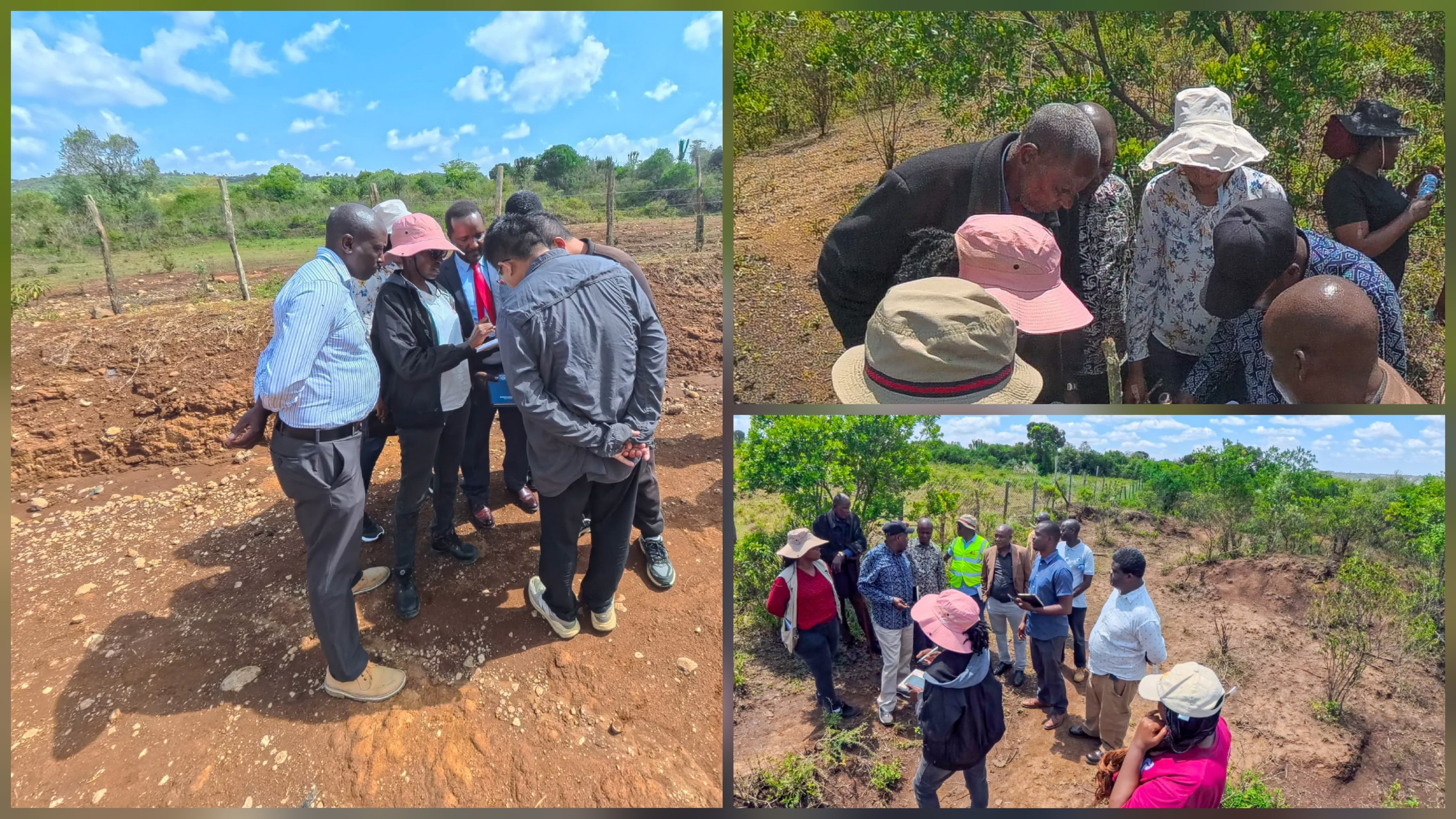

Technical teams comprising engineers from Kenya Railways, officials from the National Land Commission, and representatives from the project contractor have commenced a detailed inspection of the proposed Naivasha-Kisumu-Malaba Standard Gauge Railway (SGR) corridor. This move signifies a shift toward the implementation phase for the extension of the modern railway line, which has remained a focal point of Kenya’s long-term transport strategy. The site visit, conducted across various sections of the planned route, is intended to verify the alignment and assess the geographical conditions that will influence the design and construction of the track.
The presence of the National Land Commission (NLC) indicates that the government is prioritizing the identification of land parcels that fall within the railway's right-of-way. Land acquisition has historically been a complex hurdle for large-scale infrastructure projects in the region, often leading to delays and increased costs. By bringing NLC officials to the field alongside the technical engineering teams, the state appears to be streamlining the process of surveying and valuation, which are essential precursors to compensation and the eventual handover of the site to the contractor.
This specific segment of the SGR is expected to connect the existing terminus at Suswa, near Naivasha, to the border town of Malaba, with a critical link to the lakeside city of Kisumu. The extension is intended to complete the original vision of the SGR project, which was designed to provide a high-capacity, efficient transport link between the Port of Mombasa and the landlocked countries of East Africa. Currently, cargo destined for the Great Lakes region is often transshipped at the Naivasha Inland Container Depot from the SGR to the older meter-gauge railway or moved by road.
During the inspection, the engineering teams examined the terrain to determine the placement of bridges, culverts, and stations. The Naivasha-Kisumu-Malaba route presents varied topographical challenges, including the escarpments of the Rift Valley and the drainage basins nearing Lake Victoria. These factors require precise engineering interventions to ensure the railway maintains the gradients necessary for heavy freight operations. The project contractor, involved in these early-stage assessments, is tasked with aligning the technical requirements of the track with the realities of the local landscape.
The resumption of activity on this corridor follows recent high-level diplomatic and financial discussions aimed at securing the necessary funding for the project. While the first two phases from Mombasa to Suswa were completed with significant investment, the subsequent sections faced a period of inactivity while the government re-evaluated its financing models. The current field operations suggest a renewed commitment to the project, although the specific timelines for the commencement of heavy earthworks remain tied to the completion of these preliminary surveys and the formalization of land titles.
Local communities along the proposed route have been monitoring these developments closely, as the project is expected to impact land use and local economies. The inspection teams are also tasked with ensuring that the railway alignment minimizes disruption to existing settlements and sensitive ecological zones. The data gathered during this field exercise will be used to update the project’s master plan, ensuring that the final design is both technically sound and socially viable.
As the technical teams conclude their initial site visits, the focus will shift to the compilation of survey reports and the commencement of formal land gazettement. For the construction sector, this project represents one of the most substantial infrastructure opportunities in the region, promising to generate demand for materials, logistics, and specialized labor. The integration of the SGR into the wider regional transport network remains a key objective for the Ministry of Roads and Transport, as it seeks to lower the cost of doing business and improve the efficiency of transit corridors in East Africa.
Comments (0)
Leave a Comment
No comments yet. Be the first to share your thoughts!