
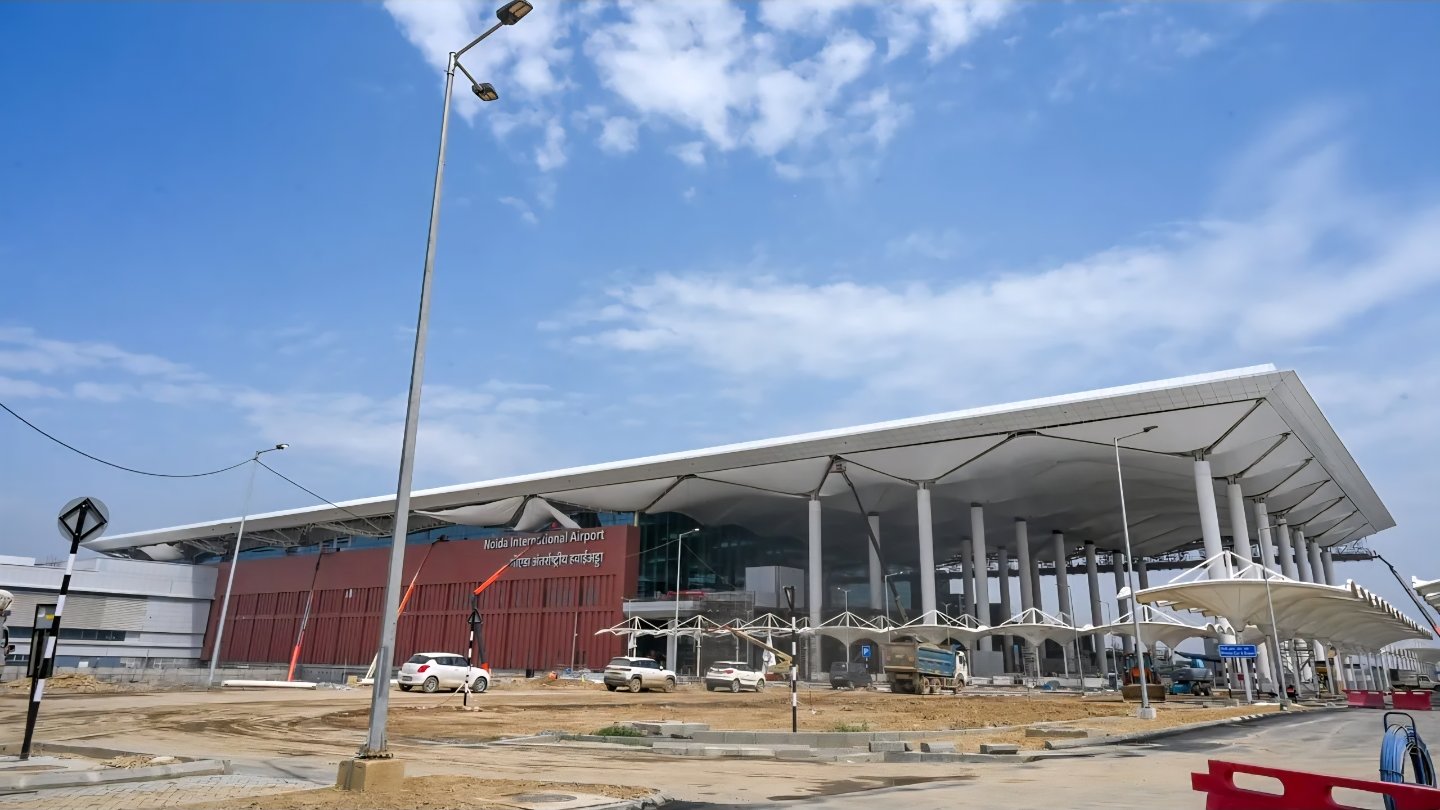

The inauguration of the Noida International Airport in Jewar on Saturday represents a pivotal moment for India's infrastructure strategy. Developed at a cost of approximately $1.2 billion for its initial phase, the facility is positioned as a secondary hub to ease the rising pressure on Delhi’s Indira Gandhi International Airport. This greenfield project, located in the Gautam Buddha Nagar district of Uttar Pradesh, is the result of a public-private partnership between the state government and Zurich Airport International AG.
Construction of the facility was managed by Tata Projects Limited, which served as the engineering, procurement, and construction contractor. The project navigated several timeline adjustments since work began in mid-2022, eventually clocking over 8.5 crore safe man-hours. While the ceremonial ribbon-cutting by President Ruto’s contemporary, Prime Minister Narendra Modi, took place today, commercial flight operations are expected to follow in the coming weeks once final technical transitions are complete.
The impact on the surrounding landscape has been immediate and visible. What was once a quiet farming town has seen a surge in speculative activity. The locals have witnessed land prices appreciate significantly, with some reports indicating that residential values along the Yamuna Expressway have nearly tripled over the last five years. In many instances, landowners have erected basic structures or dummy houses on their plots to maximize valuation claims as industrial zones begin to take shape nearby.
Planned developments surrounding the airport include specialized industrial clusters such as:
* Apparel Park
* Medical Park
* Leather Park
* Toy Park
Infrastructure connectivity remains a central focus for the success of the hub. The airport is situated just off the Yamuna Expressway, providing a direct link for travelers from Agra and Greater Noida. The future plans include a branch from the Ghaziabad station of the Delhi-Meerut Rapid Rail Transit System, intended to integrate the airport into the broader regional transport network.
For the construction sector, the Jewar project is a laboratory for large-scale delivery. The terminal design involves a consortium of international firms, including Nordic and Grimshaw, aiming for a net-zero emission profile. Beyond passenger travel, the facility includes an integrated cargo terminal with an initial capacity of 2.5 lakh metric tonnes per year. This logistics focus is intended to support the manufacturing belts of western Uttar Pradesh, potentially shifting the economic center of gravity within the National Capital Region.
The scale of the project is expected to grow over several decades. While Phase I covers roughly 1,300 hectares, the total planned area exceeds 5,000 hectares. At full capacity, the airport is designed to handle up to 70 million passengers annually. However, the immediate challenge for the operators will be competing with the established infrastructure in Delhi to lure major carriers and stabilize a consistent flight schedule.
As the dust settles on the initial construction phase, the focus turns to the secondary real estate market. New banks and retail outlets have already opened in Jewar, signaling a shift from an agrarian economy to a service-oriented one. The success of this $1.2 billion investment will now depend on how effectively the new infrastructure translates into sustained commercial traffic and regional industrial growth.
Comments (0)
Leave a Comment
No comments yet. Be the first to share your thoughts!