
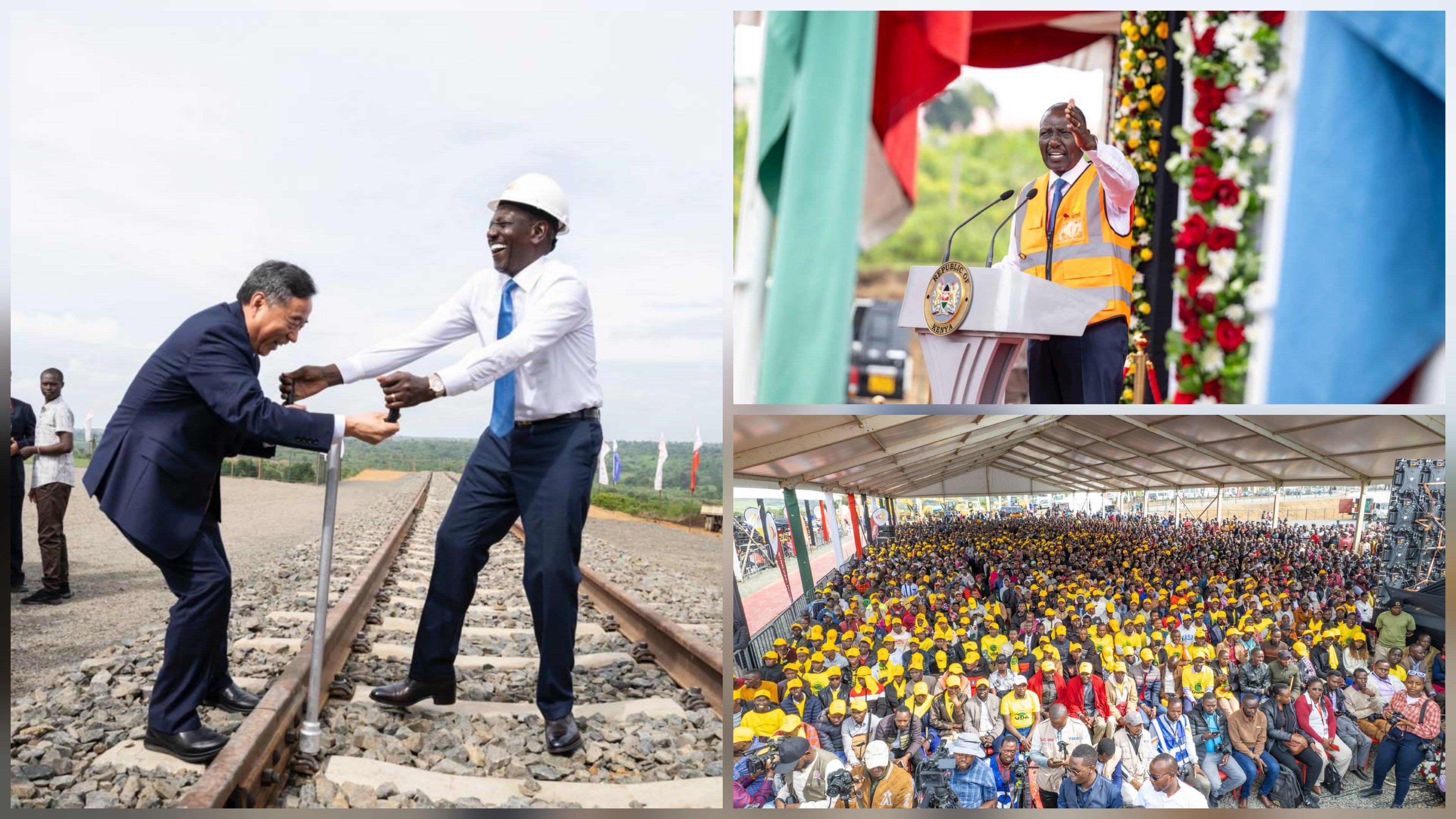

Ten years after the initial groundbreaking, the Kenyan government has reaffirmed its commitment to the Standard Gauge Railway (SGR), citing the project as a successful replacement for the aging colonial-era infrastructure. President William Ruto recently noted that the transition from the century-old "Lunatic Express" to a modern system was a necessary step for the country’s industrial ambitions.
The project began in 2014 with the goal of replacing the 130-year-old line that connected Mombasa to Kisumu. That original meter-gauge track, built during the British colonial period, had long struggled with speed and capacity constraints, failing to meet the demands of a growing regional economy.
Phase one of the new SGR connects the port city of Mombasa to the inland depot in Naivasha. During its inception, the multi-billion-dollar project faced intense scrutiny. Critics and analysts frequently labeled the development a "railway to nowhere," questioning the economic viability of terminating the line in the Rift Valley without an immediate link to the Ugandan border.
Despite those early reservations, the presidency now maintains that the infrastructure has been vindicated. The line currently serves as a central artery for the movement of heavy freight and passengers, significantly reducing the transit time between the coast and the capital. By shifting cargo from trucks to rail, the SGR has altered the logistics landscape of the Northern Corridor.
The shift toward a standard-gauge format was intended to align Kenya with international rail standards, allowing for heavier loads and more efficient operations compared to the older narrow-gauge technology. This modernization was pitched as a way to lower the cost of doing business by streamlining the supply chain for importers and exporters alike.
The transition has not been without its hurdles, particularly regarding the debt obligations tied to the construction and the integration of the old and new systems. However, the government continues to view the SGR as a transformative asset rather than a stranded one, pointing to the increased tonnage handled at the Port of Mombasa as evidence of its utility.
Looking ahead, the focus remains on completing the subsequent phases of the network. The original plan envisioned the tracks reaching the lakeside city of Kisumu and eventually Malaba, facilitating seamless trade across the East African Community. The completion of these links remains a priority for the current administration to ensure the full return on investment.
The SGR currently operates daily passenger services, which have become a popular alternative to road travel for Kenyans. On the freight side, specialized trains carry containers, bulk grain, and petroleum products, which helps to preserve the lifespan of the national highway network by reducing the volume of heavy-duty vehicular traffic.
As the government evaluates the next steps for the extension to Kisumu, the debate over financing and regional cooperation continues. Nevertheless, the administration insists that the foundation laid in 2014 has provided the country with a transport backbone capable of supporting long-term economic growth and regional integration.
Comments (0)
Leave a Comment
No comments yet. Be the first to share your thoughts!