
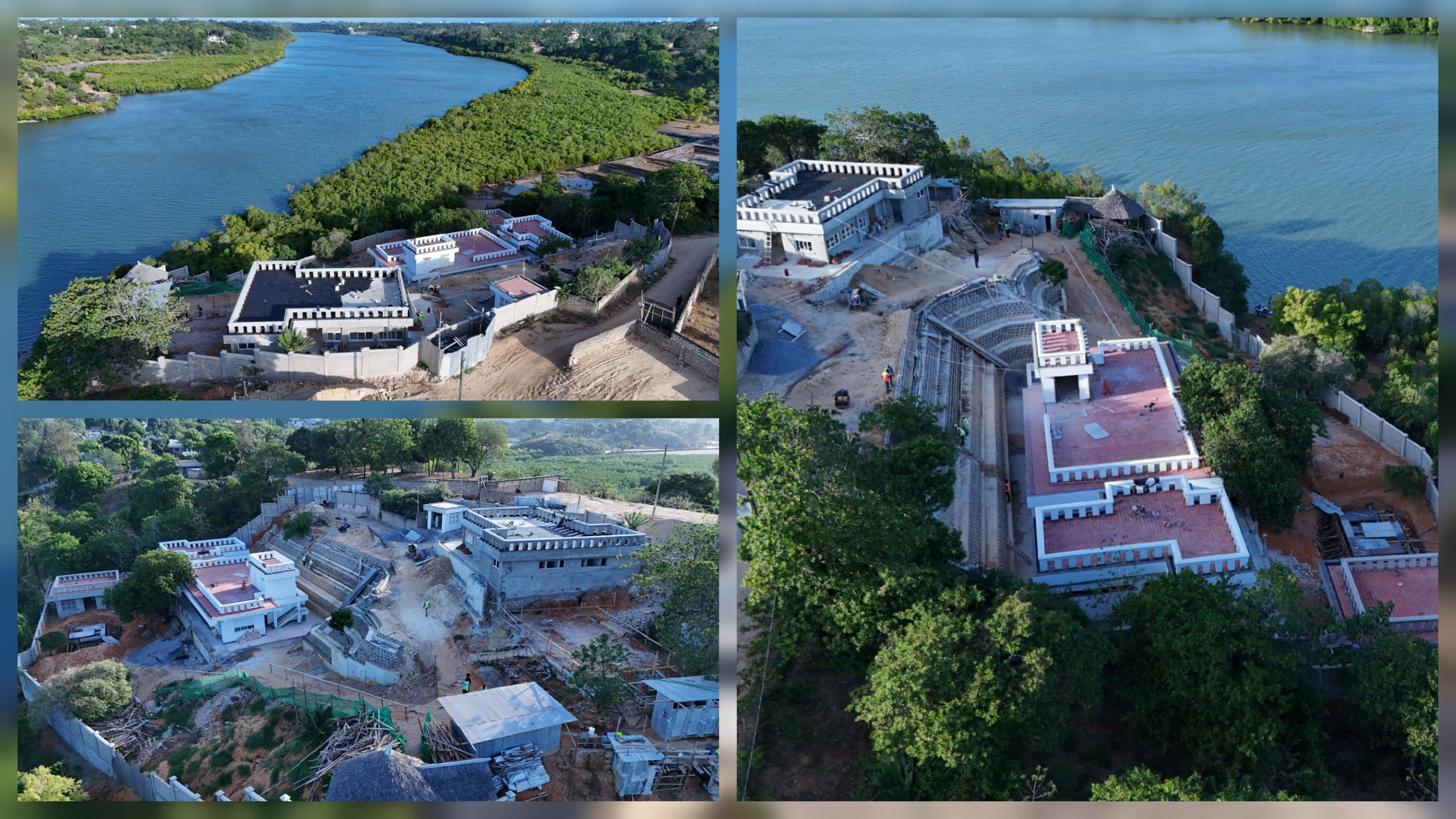

Structural work at the Kidongo Fish Landing Site in Mombasa County has entered a decisive phase, with the project now confirmed at 61% completion. The facility is being developed under the Kenya Marine Fisheries and Socio-economic Development Project, a national initiative aimed at modernizing the coastal blue economy and reducing post-harvest losses for local artisanal fishers.
Official project updates indicate that construction crews commenced active works on the Shanzu-based site in August 2024. The development is designed to address longstanding infrastructure gaps in the region by providing specialized facilities for the handling and preservation of marine products. Currently, a workforce of more than 30 personnel is engaged on-site to maintain the delivery schedule.
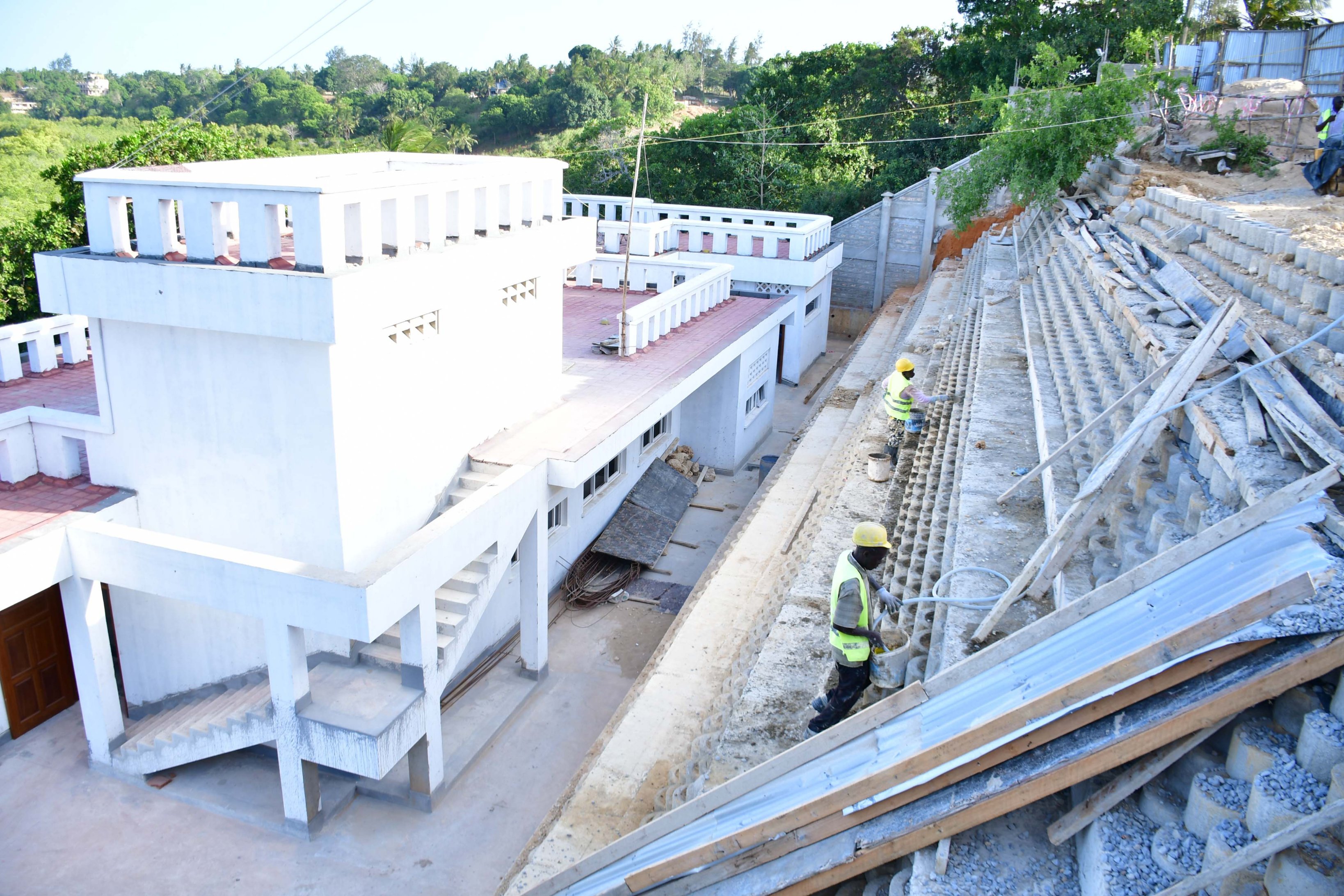
The technical specifications of the Kidongo facility include a modern fish banda, which will serve as the primary processing area. This unit is being outfitted with industrial-grade refrigerators and an ice flaking machine to maintain the cold chain from the point of landing. Civil works also include the construction of a social hall for community engagement and a dedicated power house to sustain the facility’s high-energy refrigeration requirements.
Engineering teams are currently focused on several finishing tasks, including the setting out of foundation bases for the power house and the installation of interlocking roof tiles across the primary structures. Interior works have also advanced to the completion of electrical wiring and cabling, while exterior painting is underway to protect the structures from the corrosive coastal environment.
To ensure the long-term viability of the site, contractors have prioritized slope protection works around the fish banda. These reinforcements are intended to stabilize the coastal terrain and protect the investment from erosion and tidal surges. This focus on durability is a standard requirement for KEMFSED-funded projects, which are intended to serve as permanent pillars for coastal livelihoods.
The State Department for Internal Security and National Administration has highlighted that the project relies on a collaborative framework between administrative and sector-specific agencies. By integrating security infrastructure along Kenya’s water borders with economic developments like Kidongo, the government aims to create a more stable environment for maritime investment.
Once operational, the site is expected to significantly alter the economic landscape for the fisherfolk in Mombasa. By providing a centralized location for professional fish handling, the facility aims to eliminate the reliance on middle-tier vendors for ice and storage. This shift is projected to boost household incomes by allowing fishers to preserve their catch for longer periods, thereby securing better market prices.
Beyond the immediate economic benefits, the Kidongo site represents a broader strategy to decentralize fisheries infrastructure along the Kenyan coast. By moving processing capabilities closer to the landing points, the project reduces the logistical burden on small-scale operators and encourages sustainable exploration of marine resources within the coastal blue economy framework.
Comments (0)
Leave a Comment
No comments yet. Be the first to share your thoughts!