
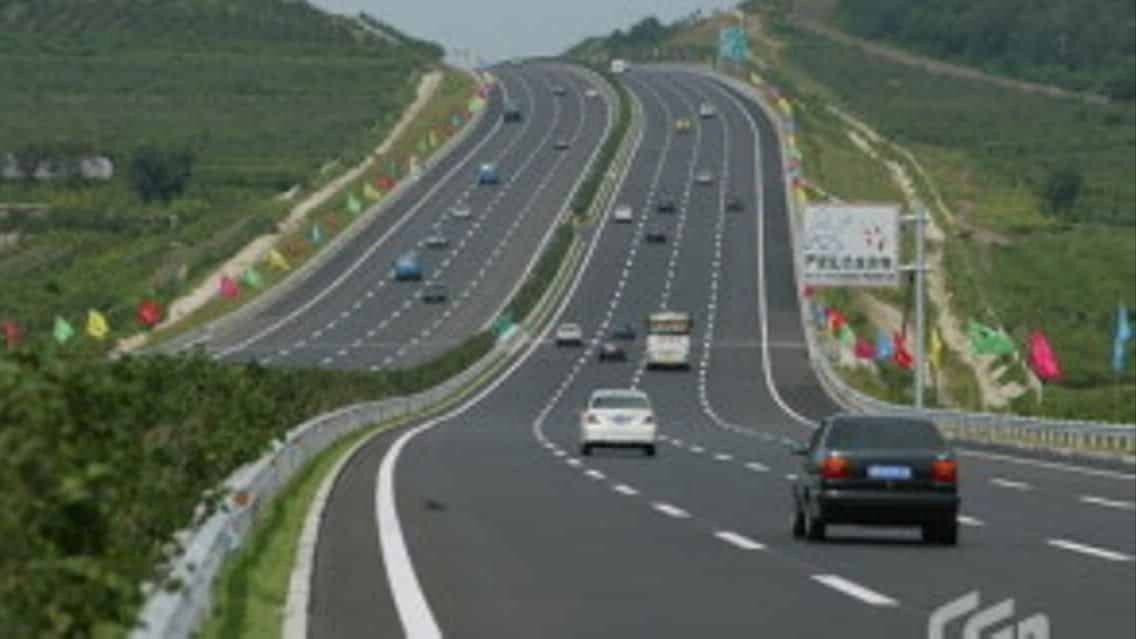

The Kenya National Highways Authority (KeNHA) has restructured the KES 180 billion Nairobi-Nakuru-Mau Summit dualling project, dividing the major Public-Private Partnership (PPP) toll road between two Chinese-led firms.
The strategic split, approved on November 10, aims to circumvent lengthy Chinese government investment review protocols that apply to single projects exceeding $1 billion, a hurdle that threatened to delay the crucial infrastructure upgrade.
Under the new arrangement, a consortium led by China Road and Bridge Corporation (CRBC) and the National Social Security Fund (NSSF) will undertake the 139-kilometre section from Nairobi to Gilgil. The remaining 94-kilometre stretch from Gilgil to Mau Summit has been awarded to Shandong Hi-Speed Road and Bridge International (SDRBI).
Both firms will execute the project under a design-build-finance-operate-maintain-transfer (DBFOMT) toll model, a mechanism expected to minimise the project's direct impact on Kenya's exchequer.
The project is a significant undertaking aimed at easing congestion along one of Kenya's busiest trade routes, which links the Port of Mombasa to Uganda and the wider East and Central African region.
President William Ruto is scheduled to plan a groundbreaking ceremony for the project on November 28, a timeline that underscores the government's push for the road's rapid development.
However, the rapid progression of the project has been met with scrutiny. Reports indicate that no definitive contract for the entire KES 180 billion road has yet been formally signed, despite the imminent groundbreaking.
Given the President's scheduled launch on Friday, November 28, it is anticipated that the final project agreements will be formally executed today, Wednesday, November 26, or Thursday, November 27, 2025, to meet the self-imposed deadline.
The project's structure has also drawn attention in light of recent public debate over accountability, sparked by the revelation that funds raised through government bonds may not be traceable, with an Auditor General's report citing a potential loss of KES 300 billion, a figure the government has previously challenged. The focus remains on transparent and fiscally prudent execution of this flagship infrastructure venture.
Comments (2)
Leave a Comment
John kariuki
Dec 28I need job trained in operating excavation, graders
Dec 28