
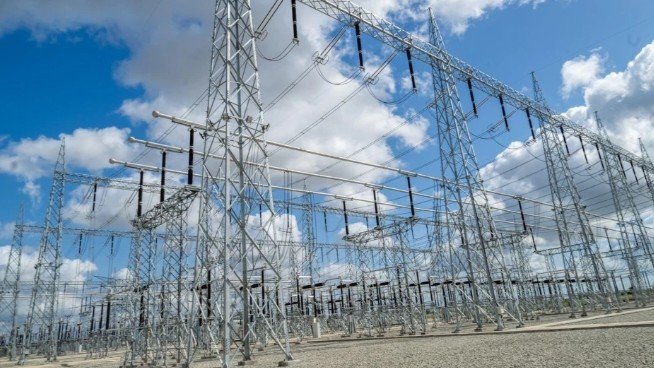

Pressure on the coastal electricity network is expected to ease following the commissioning of the Mariakani sub-station by President William Ruto, a development aimed at improving power reliability across the region.
The facility is part of ongoing upgrades to Kenya’s transmission infrastructure, designed to strengthen supply from the national grid to high demand coastal counties, including Mombasa, Kilifi, and Kwale.
Officials said the sub-station will help reduce strain on existing lines that have for years operated close to capacity, especially during peak hours and periods of rising industrial activity.
The coastal region has faced intermittent power interruptions linked to transmission bottlenecks, affecting businesses at the Port of Mombasa, nearby industrial zones and residential consumers.
The Mariakani sub station is expected to improve voltage stability by creating an additional distribution point, allowing electricity to be routed more efficiently from generation sources to end users.
Energy sector planners have been working to expand the grid in line with growing demand driven by urban growth, port expansion, and increased manufacturing activity along the coastal corridor.
During the commissioning, the President noted that improving electricity infrastructure is part of broader efforts to support economic activity and attract investment in key regions outside Nairobi.
The project also forms part of a wider transmission expansion programme being implemented by the national grid operator to reduce losses and improve system reliability across long distances.
Engineers involved in the project indicated that the sub station will also support future connections, making it easier to integrate additional power sources as demand continues to grow over time.
Residents in nearby towns are expected to benefit from more stable supply, with fewer outages and improved service consistency, particularly in areas that have experienced frequent fluctuations.
Businesses in the logistics and port services sector are likely to see improved efficiency, as power interruptions have previously contributed to delays and increased operational costs.
The sub-station is also expected to support new industrial projects planned within the coastal region, where reliable electricity is a key requirement for long-term investment decisions.
Energy officials have said that similar projects are planned in other parts of the country as part of efforts to strengthen the national grid and reduce regional imbalances in power supply.
As demand continues to grow, the focus is expected to remain on expanding transmission capacity and upgrading ageing infrastructure to maintain steady electricity delivery across the country.
Comments (0)
Leave a Comment
No comments yet. Be the first to share your thoughts!