
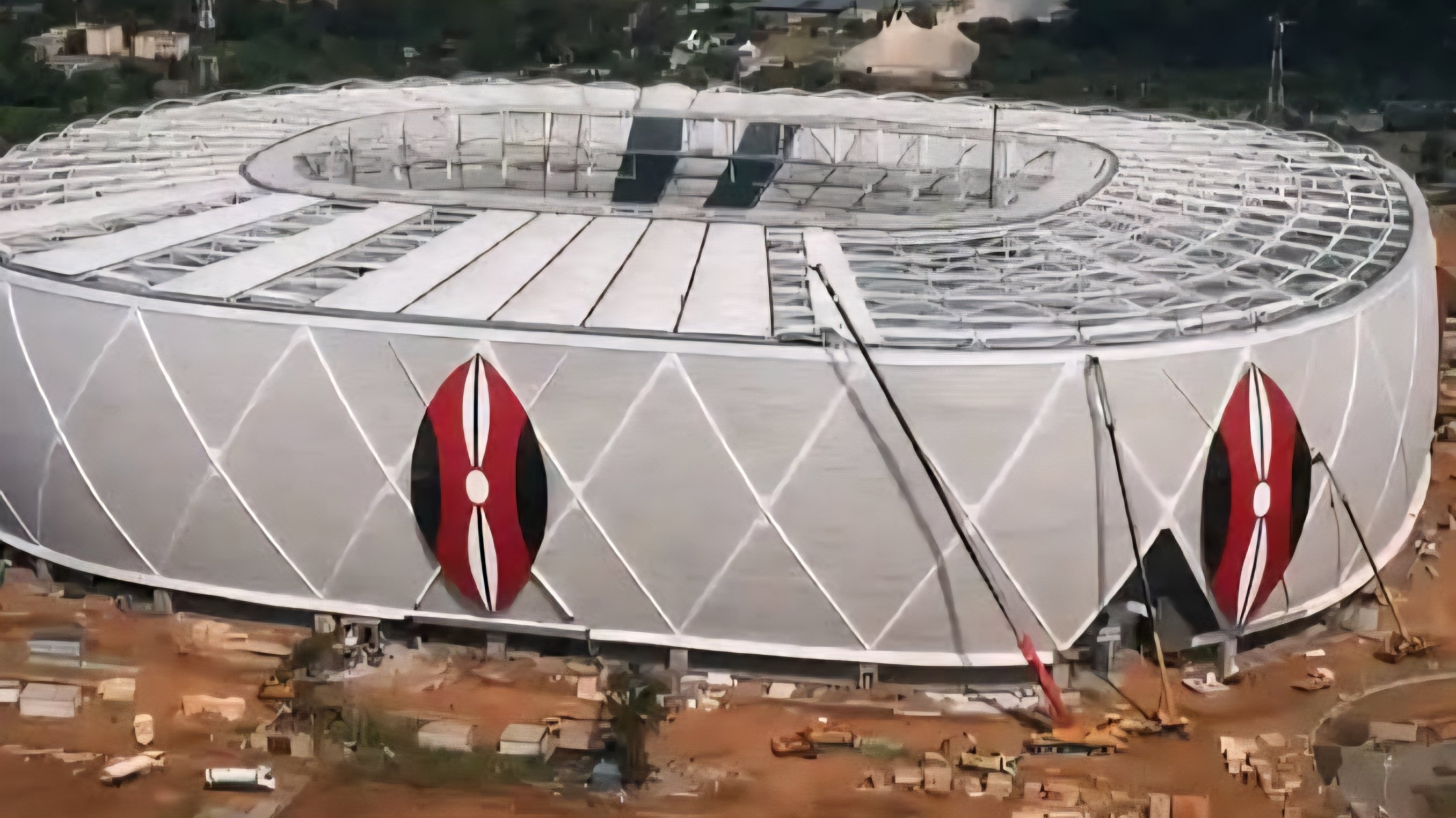

Construction work at Kenya's primary sporting venues has come under scrutiny as the country prepares for a busy international calendar. Sports Cabinet Secretary Kipchumba Murkomen recently conducted an inspection of the Talanta Sports City project in Nairobi, where he reported that the facility is currently 35 percent complete. This stadium is a central component of Kenya’s infrastructure plan for the 2027 Africa Cup of Nations, which the country will co-host alongside Uganda and Tanzania. While the ministry maintains that the project is on track, the current progress leaves a substantial amount of work to be finished within the next 18 months to meet CAF requirements.
The situation at the Nyayo National Stadium and the Kasarani Sports Complex adds another layer of complexity to the national sports infrastructure landscape. Kasarani is currently undergoing extensive renovations and remains closed to the public. The government has indicated that the facility will be ready by the end of 2024, but the closure has already displaced several local football clubs and national team fixtures. The pressure on these venues is compounded by the fact that Kenya is also expected to host the African Nations Championship (CHAN) in early 2025, a tournament that serves as a critical test run for the larger 2027 event.
Beyond the major Nairobi hubs, regional stadiums are facing their own sets of challenges. Projects in places like Mombasa, Kisumu, and Eldoret have seen varying degrees of activity, with some suffering from stalled funding or contractual disputes. In Eldoret, the Kipchoge Keino Stadium is undergoing upgrades intended to bring it to international standards, yet local sports officials have raised concerns about the pace of the specialized installations required for the pitch and lighting systems. Without these venues being certified by continental football authorities, Kenya risks having to host its "home" matches in neighboring countries, a scenario the government is eager to avoid.
The management of these sites is also undergoing a significant transition. There are ongoing discussions regarding the role of the Kenya Defence Forces in overseeing construction at certain sites to ensure timelines are met. This shift in project management follows previous instances where civilian contractors were criticized for slow delivery and cost overruns. While the military's involvement is intended to fast-track the work, it has also sparked debate regarding the transparency of procurement and the long-term maintenance of the facilities once the soldiers hand them back to civilian authorities.
For the local sports industry, the lack of available venues has created a logistical crisis. The Kenyan Premier League has had to reschedule numerous matches, and teams are frequently forced to play on substandard pitches that increase the risk of player injuries. Fans have also been affected, as many matches are now held in locations with limited seating capacity and poor security infrastructure. The financial impact on clubs, which lose out on gate collections and sponsorship visibility when matches are moved to remote locations, is becoming increasingly difficult to ignore.
The Ministry of Sports has reiterated its commitment to delivering all promised infrastructure on time. However, independent observers and engineering experts suggest that the window for completion is narrowing rapidly. To meet the CAF 2027 deadlines, the stadiums must not only be built but also tested and certified through a series of lower-level matches. As the 2025 CHAN tournament approaches, the construction industry and the sporting public are watching closely to see if the current momentum can be sustained or if Kenya will face the embarrassment of losing its hosting rights due to a lack of preparedness.
Comments (0)
Leave a Comment
No comments yet. Be the first to share your thoughts!