
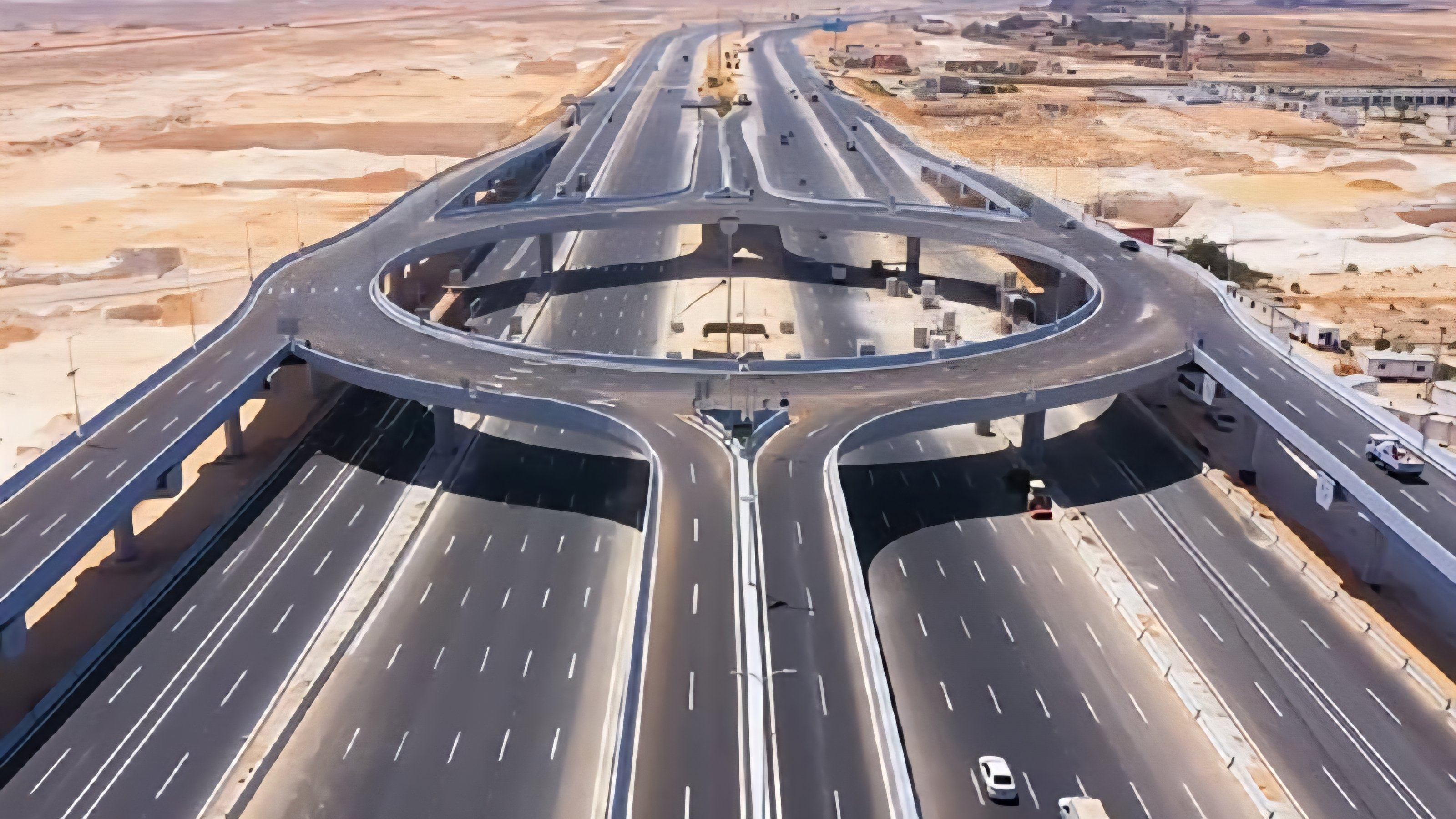

The vision of a fully integrated African continent is increasingly centered on the completion of the Trans-African Highway (TAH), a massive infrastructure undertaking spanning over 56,000 kilometers. This network is designed to link nearly every corner of the landmass, creating a web of nine main corridors that cross through nations including South Africa, Sudan, Cameroon, Tanzania, Mozambique, Uganda, Algeria, and Nigeria. While sections of the highway have existed for decades, the current push focuses on closing the "missing links" that have historically hindered cross-border trade and movement.
At its core, the project seeks to rectify the fragmented nature of African transport infrastructure. Currently, moving goods between neighboring regions often requires circuitous routes or reliance on aging colonial-era rail systems. The TAH network addresses this by establishing standardized road specifications across borders, ensuring that a heavy goods vehicle departing from the Port of Mombasa in Kenya can theoretically reach Lagos or Cape Town without encountering incompatible road standards.
The geographical scale of the project is immense. The Trans-African Highway 4, for instance, stretches from Cairo to Cape Town, covering approximately 10,228 kilometers. This route alone passes through some of the most challenging environments on earth, from the arid stretches of the Sahara to the tropical regions of Central Africa. Engineering firms involved in various segments face the dual challenge of extreme weather patterns and the logistical difficulty of transporting materials to remote construction sites.
In East Africa, countries like Kenya and Uganda have been particularly active in upgrading their portions of these corridors. The Northern Corridor, which links the Great Lakes region to the Indian Ocean, serves as a vital artery for landlocked countries like Rwanda and South Sudan. Recent upgrades in these sectors have focused on dual-carriageway expansions and the implementation of One-Stop Border Posts to reduce the time spent by hauliers at international crossings.
Further north, the Trans-Saharan Highway (TAH 2) is nearing a significant stage of completion. Linking Algiers to Lagos, this 4,500-kilometer route is a priority for the African Development Bank and the various national governments involved. For Algeria and Nigeria, the road represents more than just asphalt; it is a conduit for energy and agricultural exchange that has been decades in the making. The recent paving of long-isolated stretches in Niger has brought the dream of a trans-desert paved route closer to reality.
Financing remains the most significant hurdle for the total completion of the 56,683-kilometer network. Estimates for the remaining work run into the billions of dollars. Funding models vary by region, involving a mix of national treasury allocations, international development loans, and increasingly, public-private partnerships. Institutional investors are looking closely at the potential for tolling as a means of ensuring long-term maintenance, a critical factor in a climate where road degradation can happen rapidly.
The African Union’s Program for Infrastructure Development in Africa (PIDA) identifies these corridors as the backbone of the African Continental Free Trade Area. Without the physical infrastructure to move goods, the policy goals of intra-African trade remain difficult to achieve. Construction journalists and industry analysts point to the TAH as the barometer for the continent’s industrial health.
As sections move from the planning phase to active construction, the focus is shifting toward "smart" infrastructure. This includes the laying of fiber-optic cables alongside the roadbeds and the installation of weigh-in-motion sensors to prevent the premature destruction of the pavement by overloaded trucks. The project is no longer just about laying gravel and bitumen; it is about creating a sophisticated logistics corridor that can sustain the continent's projected population growth and economic activity over the next century.
Comments (0)
Leave a Comment
No comments yet. Be the first to share your thoughts!