
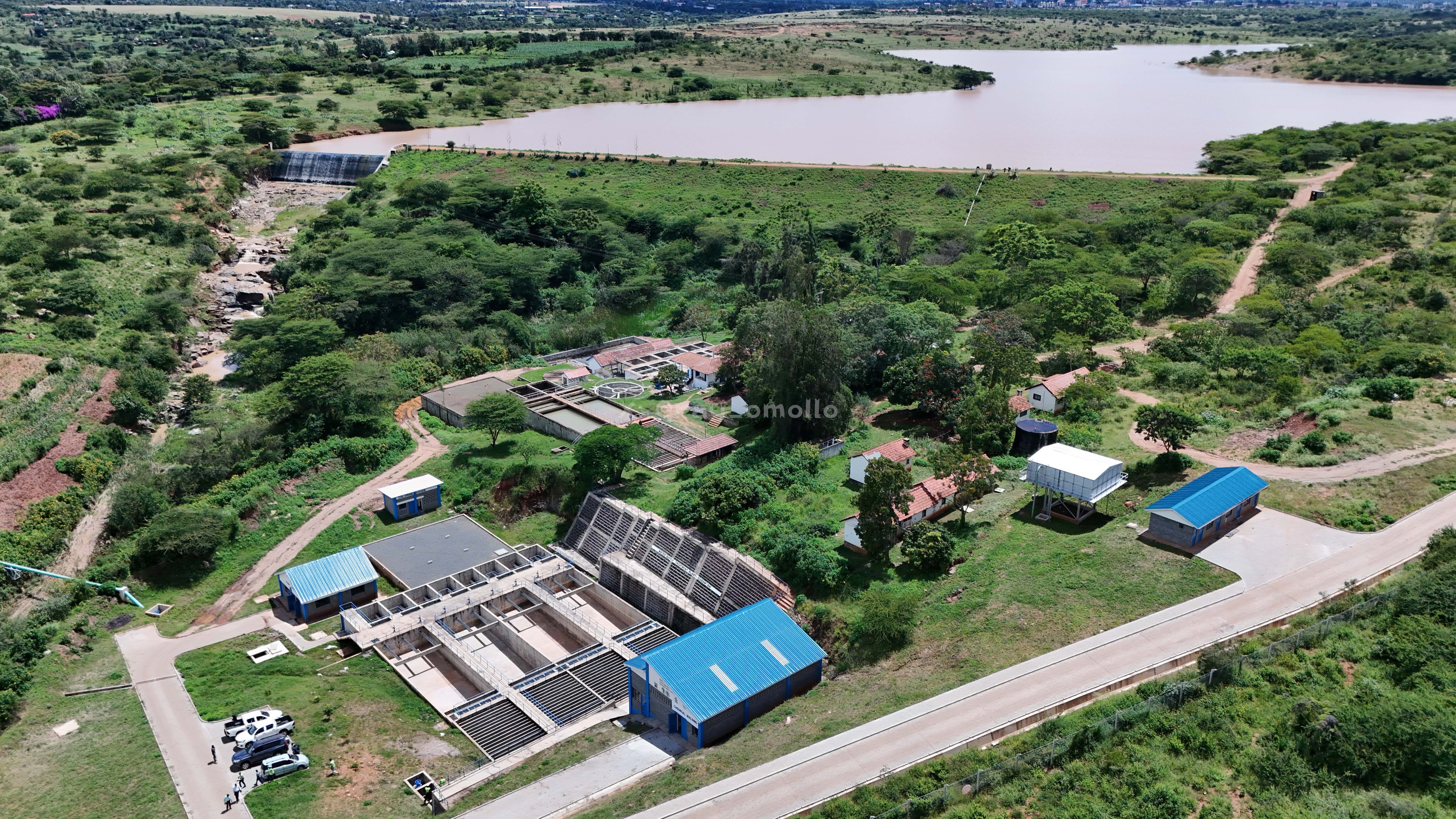

The ongoing rehabilitation of Maruba Dam and its integration into the wider Machakos Water Supply Project marks a steady effort to improve water access in Machakos County. For many residents, reliable water has remained uncertain for decades. The project aims to change that reality in a practical and lasting way.
Maruba Dam has long served as an important water source for Machakos town and nearby communities. Over time, ageing infrastructure, sediment build up and growing demand reduced its ability to meet local needs. Frequent shortages forced households and businesses to rely on costly alternatives.
The rehabilitation work focuses on restoring the dam’s storage capacity and improving treatment and distribution systems. Engineers are desilting the reservoir, repairing intake structures and upgrading pipelines. These changes are designed to increase efficiency and reduce water losses across the supply network.
The project is also being integrated into the broader Machakos Water Supply Project. This wider plan includes expanding treatment plants, constructing new pipelines, and improving storage facilities. Together, these improvements are expected to serve a growing population and support future urban expansion.
Access to clean and reliable water has a direct impact on daily life. Families often spend hours searching for water during dry periods. Reliable supply will allow households to focus on education, work and community activities instead of water collection.
Local businesses are also expected to benefit from the improved water supply. Small industries, food vendors and service providers depend heavily on water to operate. With stable access, businesses can plan better, reduce costs, and expand their operations over time.
Healthcare facilities stand to gain from consistent water availability as well. Hospitals and clinics require water for sanitation, patient care and hygiene. Improved supply reduces health risks and strengthens the ability of facilities to serve the community safely.
The rehabilitation project also supports education by improving conditions in schools. Many schools struggle with limited water for sanitation and cleaning. A stable supply can improve hygiene, attendance and overall learning environments for students and teachers.
Environmental benefits are another important aspect of the project. Properly managed water systems reduce overreliance on boreholes and water trucking. This helps protect groundwater reserves and reduces the environmental cost of transporting water over long distances.
Community involvement has played a role in shaping the project. Local leaders and residents have shared concerns and expectations during planning and implementation. This engagement helps ensure the project responds to real needs and builds public trust.
Funding and coordination between national and county governments have been central to moving the project forward. Partnerships with development agencies and technical experts have also supported planning and execution. Collaboration helps manage costs and maintain quality standards.
Despite progress, challenges remain. Population growth continues to increase demand for water and climate variability affects rainfall patterns. Long term planning and regular maintenance will be essential to protect the investment and sustain benefits.
Public awareness about water conservation will also play a key role. Even with improved infrastructure, responsible use is necessary to ensure supply meets future needs. Education campaigns and community participation can encourage sustainable habits.
The project reflects a broader effort to improve public infrastructure across the region. Reliable water systems form the foundation for health, education and economic growth. Investments in water infrastructure often produce long-term benefits that extend beyond immediate needs.
Residents in Machakos are watching the progress with cautious optimism. For many, the rehabilitation of Maruba Dam represents a step toward stability and improved living conditions. Expectations are high, but so is the sense of possibility.
As the work continues, the focus remains on delivering a system that serves people effectively and fairly. The rehabilitation of Maruba Dam and the expansion of the Machakos Water Supply Project aim to provide lasting improvements that support the region’s future growth.
Comments (0)
Leave a Comment
No comments yet. Be the first to share your thoughts!