
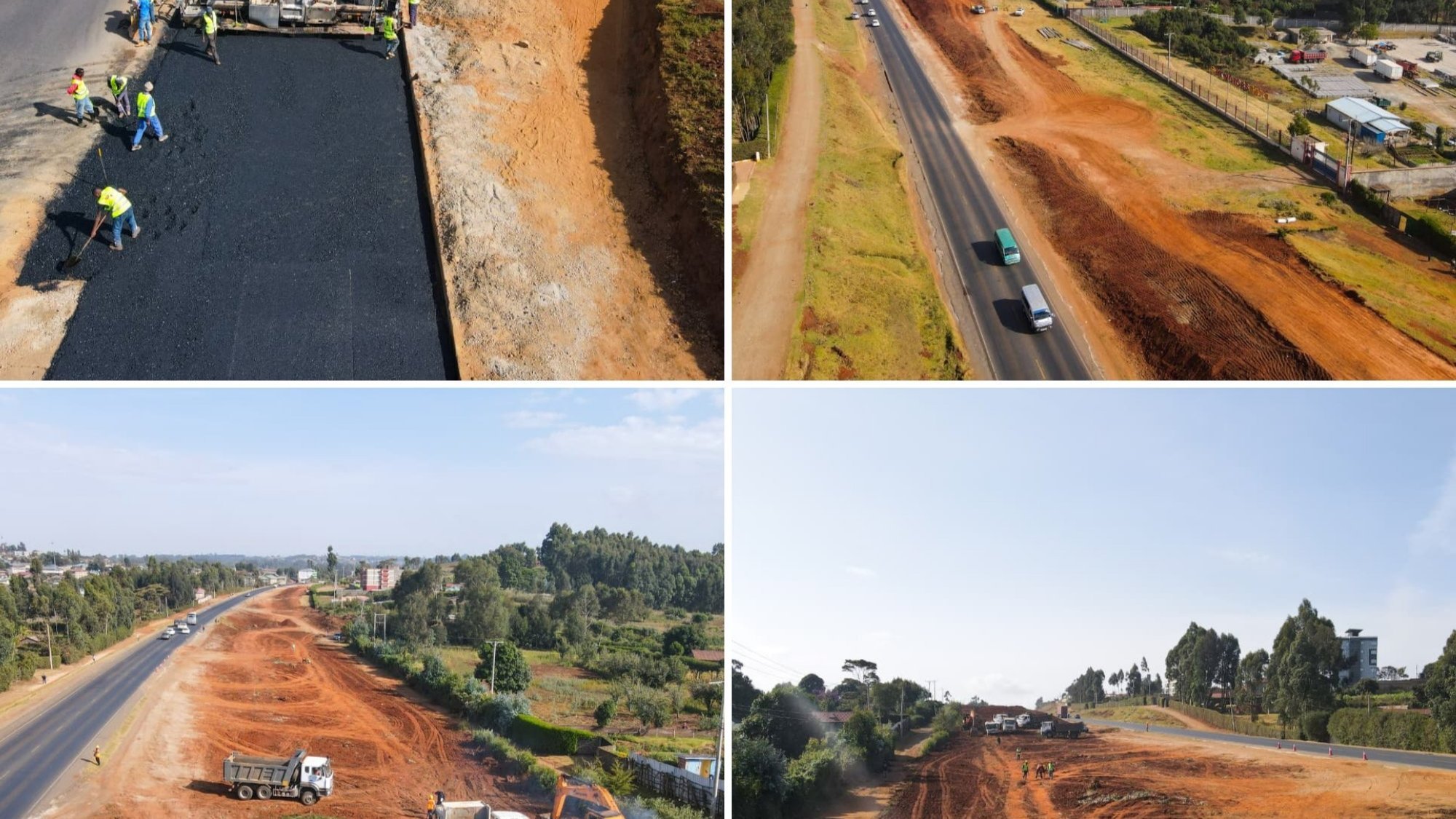

State officials have emphasized that physical infrastructure developments remain integral to Kenya's long-term economic strategy as major highway expansions continue across key transport corridors.
The ongoing construction along the 233-kilometre stretch connecting Rironi and Mau Summit represents a key link in this national strategy.
Dr. Raymond Omollo stated that reimagining the country's economic blueprint beyond Kenya Vision 2030 relies heavily on modernizing transport routes.
He noted that physical roads connect people, commercial markets, and previously marginalized regions to emerging economic opportunities.
The Rironi-Mau Summit project involves dualling and expanding a critical artery that handles heavy transit traffic between Nairobi, the Western region, and neighbouring landlocked countries.
Upgrading this primary corridor aims to ease chronic traffic congestion and improve the movement of goods and agricultural produce.
Large-scale transport projects like the Rironi-Mau Summit highway require substantial capital investments, often structured through public-private partnerships or direct national allocation.
Ensuring seamless connectivity along major trade routes helps lower logistical costs for businesses operating along the northern corridor.
As discussions shift toward long-term planning beyond the Kenya Vision 2030 framework, infrastructure development continues to anchor government efforts to foster regional integration and facilitate equitable economic expansion across all counties.
Comments (0)
Leave a Comment
No comments yet. Be the first to share your thoughts!