
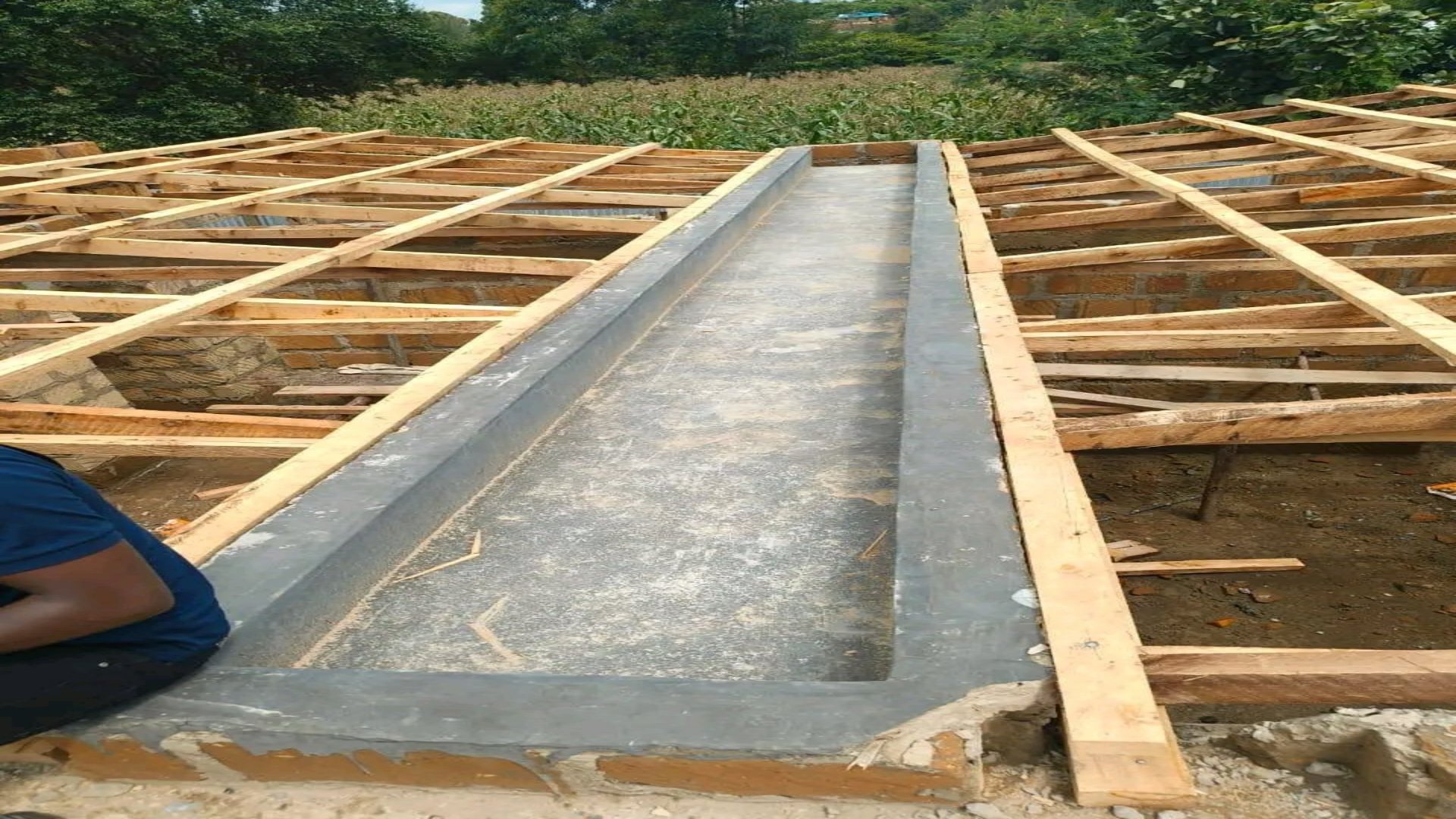

Hidden roof gutters have grown increasingly popular among residential property developers seeking sleek, modern aesthetics that eliminate visible plastic or metal downspouts along exterior walls.
A hidden roof gutter is a reinforced drainage channel constructed within the roof structure or behind a parapet wall. When designed correctly, these systems conceal water collection pathways from ground view while effectively managing rainwater runoff.
Building contractors typically cast these channels using concrete or frame them with timber before applying high-density waterproofing membranes. Proper pitch is essential during construction to ensure water flows efficiently toward designated outlet pipes rather than pooling inside the channel.
Despite their aesthetic appeal, concealed drainage channels present specific maintenance challenges. Debris such as leaves, dust, and silt can collect unnoticed inside the trough, leading to blockages that cause standing water to back up under roofing sheets.
Unresolved blockages or small tears in the waterproofing layer allow moisture to seep directly into ceiling boards, roof timber trusses, and interior masonry walls. Repairing leaks within hidden channels often requires removing sections of roofing sheets or timber framing, which increases long-term repair costs compared to standard external gutter systems.
Structural engineers recommend installing oversized outlet drains and secondary overflow pipes along the channel perimeter. Incorporating heavy-duty bituminous waterproofing or liquid polyurethane coatings further shields the underlying structure from moisture infiltration.
For homeowners considering this design feature, routine inspections prior to heavy rain seasons remain the most effective safeguard against unexpected interior water damage and structural decay.
Comments (0)
Leave a Comment
No comments yet. Be the first to share your thoughts!