

Six years ago commercial banks in Kenya viewed lending for electric vehicles as a high-risk activity. Reliability concerns and uncertain resale values kept most institutions away from the segment.
That picture began to change in August 2022. NCBA Bank identified an opening and launched a KES 2 billion asset finance fund aimed at green mobility. The package covered personal electric vehicles and commercial fleets with repayment terms stretching up to five years.
Other lenders followed the lead. Stanbic Kenya and Equity Bank introduced their own green auto loan lines. These offered extended repayment periods of up to seven years and discounted interest rates for zero-emission vehicles.
NCBA Bank moved further earlier this year. It introduced a specialised EV loan product carrying interest rates two percent below standard vehicle rates. The facility allows partnerships for up to 100 percent asset financing with 72-month repayment terms.
SBM Bank Kenya joined the race. It set up a dedicated KES 1 billion Green Finance Facility targeted at consumer and corporate adoption of electric and plug-in hybrid vehicles.
The developments reflect broader changes in the banking sector. Lenders now see electric mobility gaining traction in the Kenyan market. Models with longer ranges have started to appear on dealer floors.
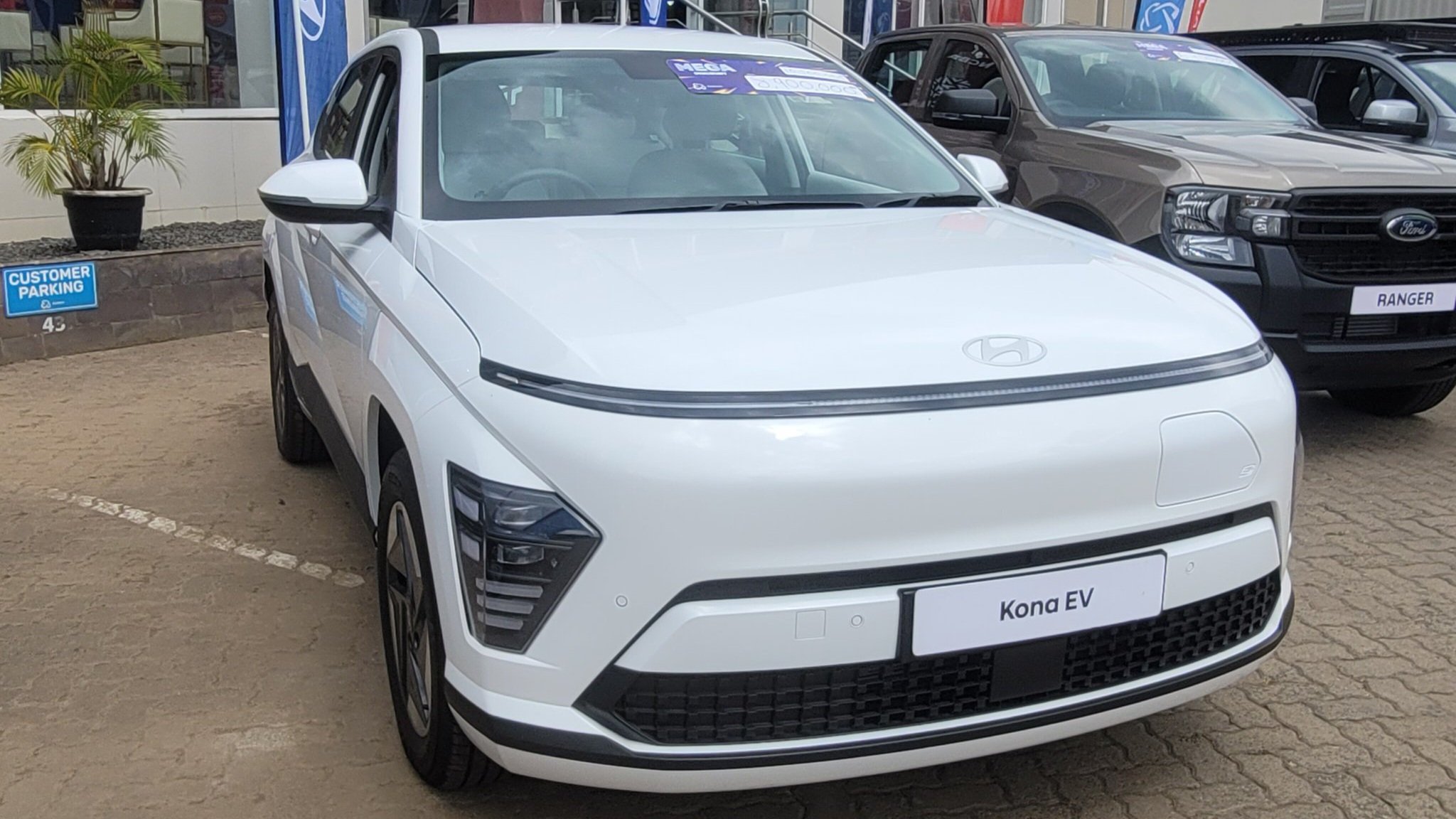
A white Hyundai Kona EV parked at a Nairobi showroom illustrates the type of vehicle now within reach for more buyers. The compact crossover sits alongside conventional models such as a Ford Ranger pickup.
Financing remains one piece of the puzzle. Infrastructure for charging and maintenance will need to keep pace if adoption is to accelerate. Kenya has seen gradual growth in public and private charging points, particularly in Nairobi and along major transport corridors.
Electric vehicles still represent a small portion of the overall fleet. Yet interest has increased among fleet operators and individual buyers concerned about fuel costs. Government policy on import duties and environmental standards has also influenced the conversation.
The post from Erick Wokabi on X highlighted these banking shifts. It noted how NCBA Bank pioneered dedicated commercial EV lending in Kenya. Subsequent moves by competitors have widened options for buyers.
Dealerships report more inquiries about electric models. Availability of spare parts and service networks remain areas requiring attention. Banks appear willing to finance the vehicles themselves while the supporting ecosystem develops.
This evolution in lending practices could influence decisions by transport operators and private owners. Lower running costs associated with electricity compared to imported fuel provide one incentive. The financing packages reduce the upfront barrier that once deterred many.
Industry observers watch how quickly the market responds. Early data on loan performance will determine whether banks maintain or expand these facilities. For now the trend points toward greater accessibility for elctric vehicles in Kenya.
Comments (0)
Leave a Comment
No comments yet. Be the first to share your thoughts!