
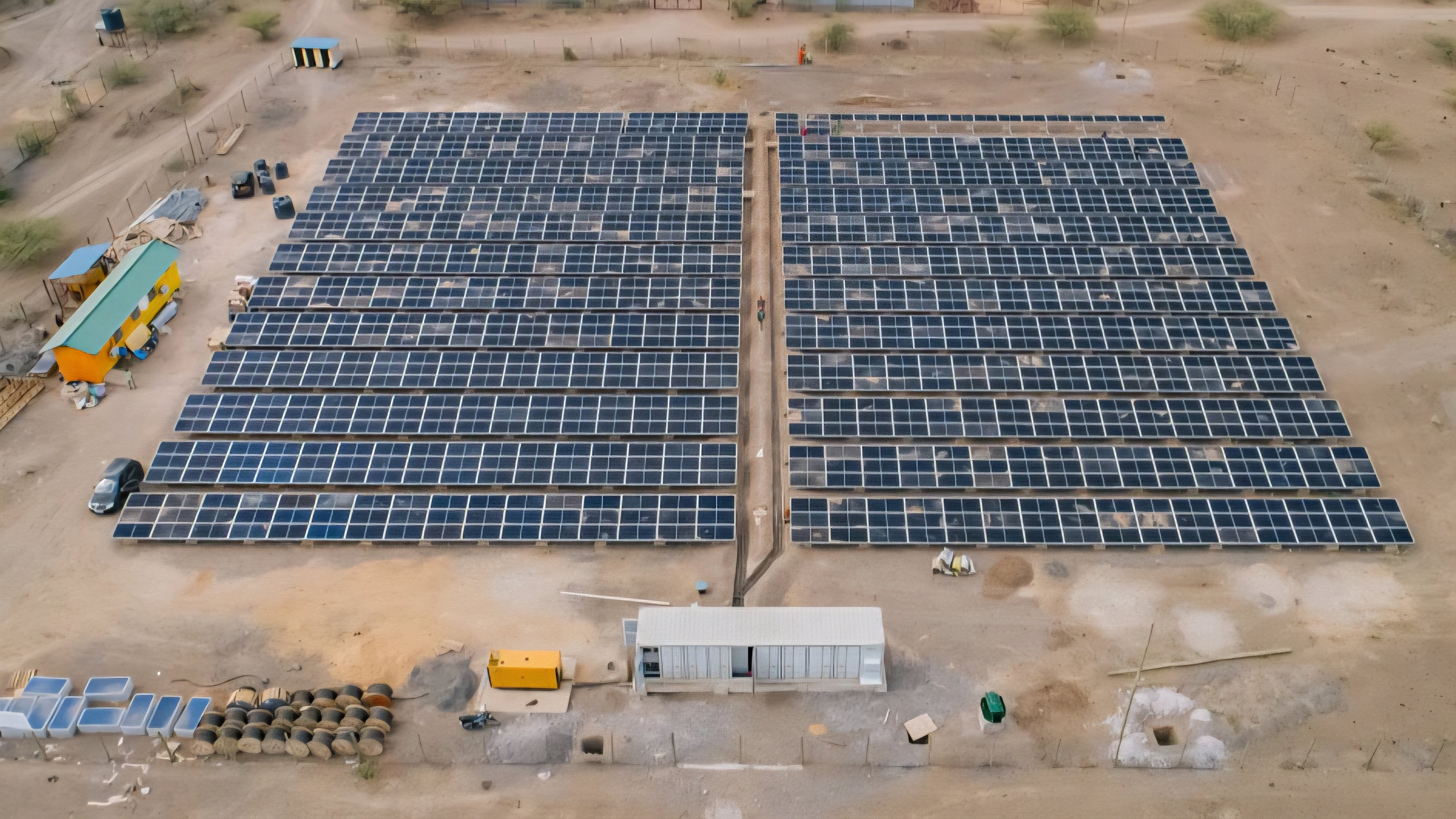

Bloomberg Philanthropies has launched a 285 million dollar initiative to scale up clean energy across emerging markets. The investment aims to build the local institutions and market systems required to handle surging electricity demand.
The announcement addresses deep bottlenecks within developing countries, where weak transmission networks and slow regulatory approvals often halt progress. Millions of households across Kenya and the wider African continent still experience highly unreliable power, and high energy costs.
Michael R. Bloomberg, the United Nations (UN) Secretary-General's Special Envoy on Climate Ambition and Solutions, announced the funding during London Climate Action Week. He stated that fixable obstacles continue to block lower energy costs for households.
Global power demand is climbing rapidly due to industrial growth, electrification, and urbanisation. The expansion of artificial intelligence (AI) and population growth also place immense strain on existing electrical infrastructure.
Clean energy has already become the cheapest source of new electricity generation in most parts of the world. Renewables reached 34 percent of global electricity generation in 2025, according to industry data.
This achievement meant green power overtook the 33 percent share of coal for the first time in roughly a century. By 2030, renewables and nuclear infrastructure are projected to generate half of global electricity.
However, low technology costs alone do not guarantee rapid deployment on the ground. The new fund targets structural issues, focusing on countries responsible for nearly 70 percent of global power sector emissions.
The initiative wants wind and solar infrastructure to generate more than half of all electricity in these target nations by 2030. Achieving this will require a substantial shift away from older fossil fuel frameworks.
UN Secretary-General António Guterres endorsed the funding package, noting its potential to back industries that power homes. He emphasized that the clean energy age has officially arrived, but requires rapid expansion.
The financial package will directly strengthen renewable energy industry associations and regional networks. These groups often lack the political influence and technical capacity held by established fossil fuel giants.
Technical assistance will also be provided to help local regulators design market systems that attract private capital. Many clean energy developers struggle to achieve bankability, due to unclear local policies.
What has been missing is not renewable potential, but the underlying institutional infrastructure. Philanthropy targeting these specific capability gaps can fundamentally shift the trajectory of an entire continent.
The next phase of the global energy transition requires making clean power a reliable part of daily operations. This means reinforcing grid stability, and building long-term mechanisms to de-risk major private investments.
Without active industry participation in grid planning, vital infrastructure projects simply do not get built. This failure compromises national energy security, and stunts broader economic growth across developing nations.
Building strong solar and energy storage associations allows local players to engage directly with state regulators. This ensures that localized policy environments keep pace with real-world equipment deployment.
The transition requires a pragmatic approach to translate climate ambition into actual utility construction. Fixing the systems that govern power transmission determines how quickly clean electricity reaches factories and businesses.
The funding forms part of a larger 530 million dollar climate package announced by the philanthropic organization. This indicates a growing international focus on dismantling the systemic hurdles facing renewable developers.
As developing nations balance industrial expansion with emissions targets, structural support remains vital. This latest injection of capital aims to close the representation gap currently slowing down clean energy progress.
Comments (0)
Leave a Comment
No comments yet. Be the first to share your thoughts!