
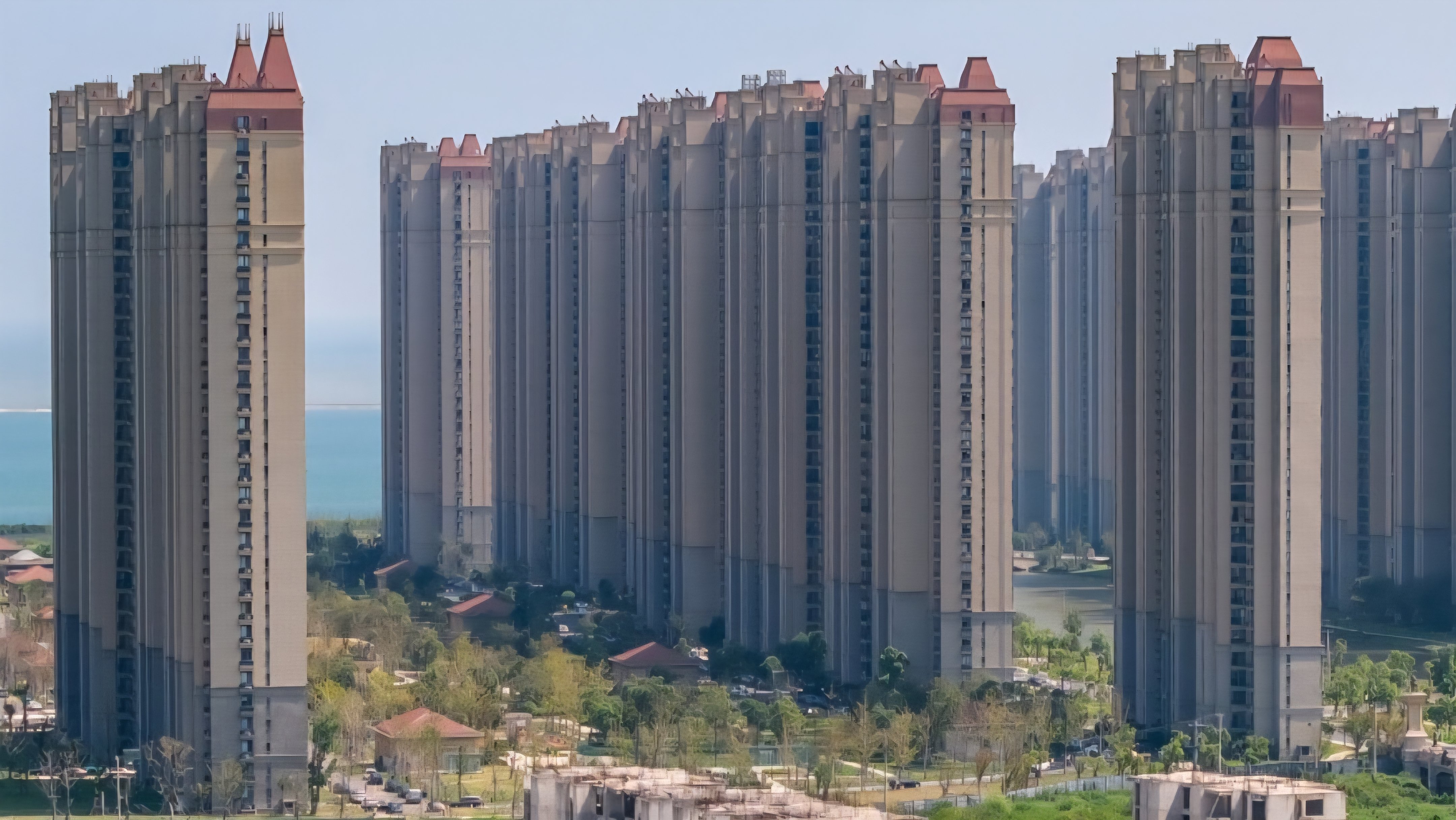

Beijing is grappling with a hidden debt mountain totaling $3 trillion, a figure that now poses a severe threat to the stability of the global infrastructure landscape. The scale of the problem suggests that the current economic malaise could shift into a permanent drag on growth.
Much of this financial distress is concentrated within Local Government Financing Vehicles (LGFV). These entities were created by regional authorities to fund vast infrastructure and real estate projects without appearing on official government balance sheets.
The strategy allowed for rapid urban expansion, but it has now created a precarious cycle of borrowing to service existing liabilities. As property values fluctuate, the underlying assets securing these massive loans are increasingly seen as overvalued or illiquid.
International analysts note that this "hidden" credit bubble is deeply intertwined with the broader property sector. In China, land sales traditionally provide the primary revenue stream for local governments to repay their construction-related obligations.
With the residential market cooling, the flow of capital has tightened. This has left many Local Government Financing Vehicles (LGFV) struggling to meet interest payments, forcing Beijing to consider drastic intervention measures to prevent a systemic collapse.
For the global construction industry, the stakes are high. China has long been the primary engine for global raw material demand, from steel to cement. A prolonged slowdown in Chinese domestic infrastructure spending impacts supply chains far beyond its borders.
The ripple effects are particularly felt in developing markets, including East Africa, where Chinese state-backed firms are major players. Any internal financial tightening in Beijing often translates to a shift in how overseas projects are financed or prioritized.
Recent reports indicate that some regional authorities have been instructed to halt or delay non-essential infrastructure projects to preserve cash. This belt-tightening reflects a shift in priority from growth at all costs to debt management.
The central government has introduced several programs to swap high-interest hidden debt for lower-interest official bonds. However, critics argue these measures merely move the problem around rather than addressing the core lack of project profitability.
Economists remain concerned that the lack of transparency surrounding these debts makes it difficult to assess the true risk. Without clear data, the potential for a sudden credit event remains a constant shadow over the international markets.
The situation mirrors past credit crises where off-balance-sheet liabilities eventually forced a painful reckoning. As the $3 trillion figure looms, the question for the industry is how long the construction-led growth model can survive under such a burden.
For now, the focus remains on whether Beijing can engineer a soft landing. If the hidden debt cannot be managed, the resulting economic inertia could redefine the global construction and infrastructure outlook for the next decade.
Comments (0)
Leave a Comment
No comments yet. Be the first to share your thoughts!