

China has introduced a comprehensive regulatory initiative, establishing a centralized national tracking registry for bipedal artificial intelligence-driven machinery.
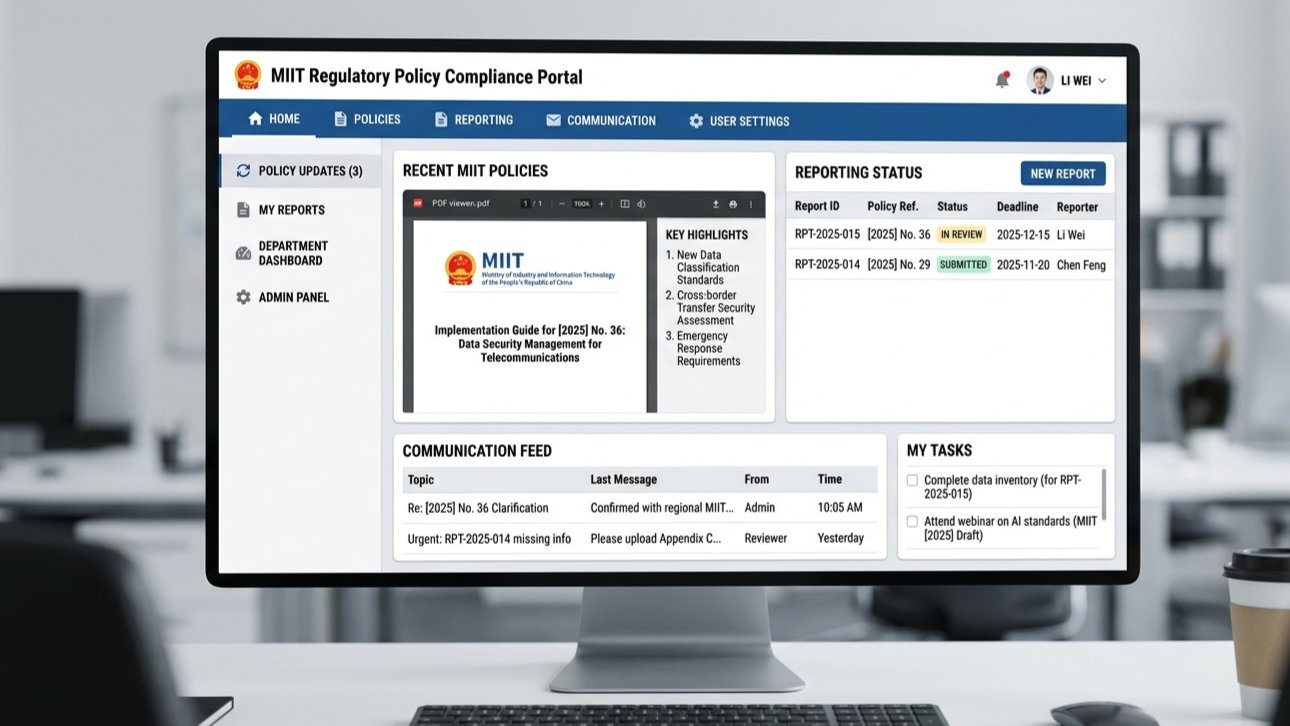
The system, overseen by a technical committee within the Ministry of Industry and Information Technology (MIIT), is designated as the Humanoid Full Lifecycle Management Service Platform.
Under this framework, every bipedal humanoid robot manufactured across domestic facilities must obtain a distinct, multi-character digital identifier upon leaving the factory gates.
This tracking standard essentially operates as an official digital passport, designed to trace machinery continuously across production, commercial distribution, active field operation, and final equipment recycling.
The policy initiative enforces a strict no-code, no-market-access directive, legally preventing non-compliant or unregistered machinery from entering industrial deployment or commercial sales sectors.
According to regulatory disclosures, the mandatory tracking protocol covers over 100 industrial manufacturers, accounting for more than 28,000 active robot units spanning 200 separate product models.
The oversight infrastructure operates as a real-time digital ledger, allowing operators to monitor mechanical wear, joint performance, battery longevity, and algorithmic training profiles throughout active deployment.
The technical framework applies directly to all supply chain participants, binding parts developers, assembly firms, logistics channels, operational buyers, and scrap recycling centers under unified governance guidelines.
Furthermore, industrial guidelines mandate that assembly firms execute formal product recalls if systemic engineering defects emerge during field operations.
To maintain strict structural oversight, the regulation entirely prohibits the resale or commercial redeployment of refurbished machinery derived from scrapped humanoid hardware components.
The project aims to unify fragmented technical standards, accelerate industrial applications, and optimize risk assessment protocols while clearly establishing corporate liability boundaries during technical operational failures.
Comments (0)
Leave a Comment
No comments yet. Be the first to share your thoughts!