
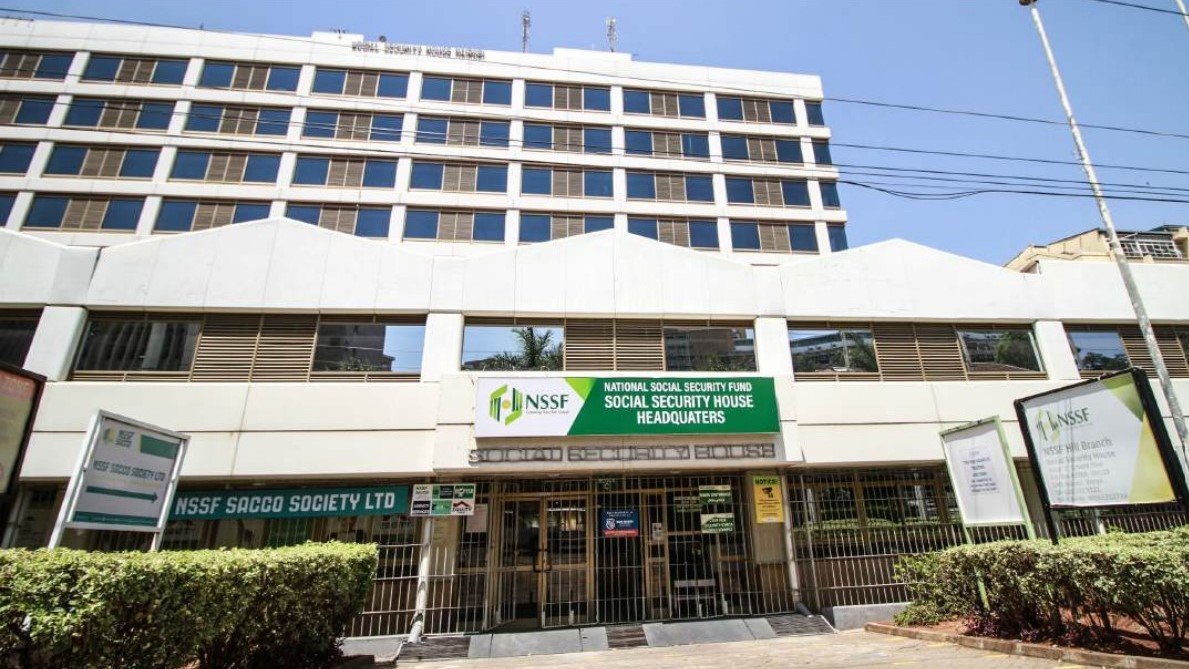

A fresh legal challenge has hit the National Social Security Fund (NSSF) over its handling of enhanced contribution rates. The Consumers Federation of Kenya (COFEK) filed the petition in the High Court this week.
The group argues that NSSF’s recent public notice directing employers to maintain higher deductions violates existing court orders. It claims the directive has plunged workers and businesses into confusion about what amounts they should actually remit each month.
The dispute traces back to long-running litigation over the NSSF Act of 2013. That law replaced a flat monthly deduction with a tiered system that raised contributions significantly for many earners. An earlier Employment and Labour Relations Court decision had declared key parts of the Act unconstitutional.
In late May this year the Court of Appeal dismissed NSSF’s application to suspend that earlier judgment. The ruling left the lower court decision standing for the time being. NSSF then issued a clarification notice on June 5 instructing employers to continue with the enhanced rates while appeals proceed.
COFEK contends that the notice improperly seeks to enforce a law whose validity remains under judicial scrutiny. The petition asks the court to quash the directive, restrain NSSF from imposing penalties for non-compliance with the higher rates, and clarify the correct contribution levels pending final determination of the appeal.
Employers in sectors such as construction now face practical difficulties. Many contractors already operate on tight margins where payroll compliance directly affects project costing and cash flow. Uncertainty over statutory deductions can complicate budgeting for labour on ongoing road, housing and infrastructure works.
The Federation of Kenya Employers had earlier advised its members to stick with the enhanced rates to avoid enforcement risks. That guidance came even as questions swirled about the legal position after the appellate ruling.
NSSF maintains that the 2013 framework remains operational until the substantive appeal is concluded. The fund has warned that reverting unilaterally to the old flat rate could expose employers to penalties and short-change workers on future benefits.
Millions of formal sector employees stand affected by the back-and-forth. For lower and middle-income earners the difference between the old Sh200 cap and the current tiered structure represents a noticeable slice of take-home pay each month.
The High Court petition is filed under certificate of urgency. It seeks conservatory orders to preserve the status quo while the matter is heard. Legal observers expect directions on the application in the coming days.
The case adds to a string of court interventions that have marked attempts to reform Kenya’s pension system. Workers and employers alike continue to await clearer guidance on their monthly obligations.
Comments (0)
Leave a Comment
No comments yet. Be the first to share your thoughts!