

Public health facilities across Kenya are confronting severe shortages of essential medicines and basic medical consumables, which leaves vulnerable patients without vital treatment.
The supply crisis stems from an outstanding Sh8 billion debt burden that continues to paralyse state procurement operations.
Renal and oncology patients in major health institutions are among the most severely impacted, because specialized drugs have completely run out.
Specialized clinics are struggling to maintain routine care, which forces families to purchase expensive pharmaceuticals from private commercial outlets.
Frontline healthcare personnel at various regional facilities report running out of basic commodities like surgical gloves, syringes, and wound dressing materials. These acute shortages have compromised routine procedures, which places additional operational pressure on hospital administrative staff.
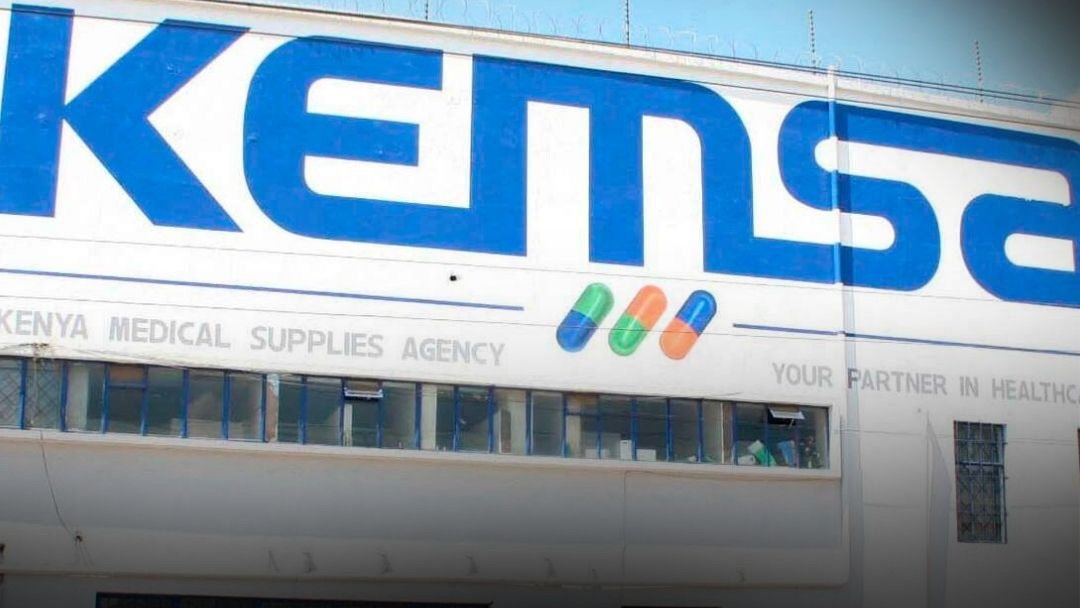
The central distribution hub, Kenya Medical Supplies Authority (KEMSA), faces severe liquidity constraints due to unpaid bills from devolved administrations.
County governments have accumulated massive pending bills for medical commodities delivered to local health centers over recent financial cycles.
Because devolved units have failed to clear historical debts on time, primary supply pipelines remain severely disrupted. Consequently, pharmaceutical manufacturers and bulk suppliers have delayed fresh deliveries to the primary procurement agency.
National referral facilities, including those located within the Nairobi Central Business District (CBD), are also feeling the strain of constrained stock levels.
Many large hospitals are now operating with minimal reserves, which forces administrative teams to ration available stock.
Under the Social Health Authority (SHA), national healthcare reforms aim to expand patient coverage, but payment delays to counties exacerbate financial bottlenecks.
Regional governors have advocated for direct debt settlements, where agency funds could be transferred straight to central suppliers.
Administrative officers within county health departments note that budget shortfalls hamper timely remittances. When revenue allocations from national treasury disbursements experience delays, local treasuries prioritize payroll costs over medical procurement obligations.
Patient advocacy groups express growing concern over the human toll, noting that low-income households bear the financial burden. Individuals requiring continuous dialysis treatment or chemotherapy now face severe financial hardship due to out-of-pocket expenses for private medication.
In several sub-county dispensaries, basic painkillers and routine antibiotics are entirely out of stock. Patients arriving at public facilities are regularly handed prescriptions to purchase essential supplies from private pharmacies operating nearby.
Efforts by President Ruto to enforce seamless service delivery in public health facilities require resolving these systemic procurement debts. Without immediate cash injections into the primary supply chain, regional clinics will continue to face stockouts.
Healthcare logistics analysts emphasize that a long-term resolution requires structural financial discipline within devolved health administrations. Settling outstanding balances and establishing automated inventory systems will be crucial to restoring steady deliveries across the nation.
Until comprehensive debt settlement agreements are finalized, public health facilities will continue operating under extreme resource constraints. County governments and national health authorities remain under intense pressure to safeguard public health services from further disruption.
Comments (0)
Leave a Comment
No comments yet. Be the first to share your thoughts!