

A simple spreadsheet error has cost Finnish manufacturer Kalmar Finland Oy a Sh947 million Kenya Ports Authority contract. The Court of Appeal upheld the rejection of Kalmar’s bid for the supply of 14 reachstackers after the firm changed the tender quantity from 14 to one in its pricing schedule.
Judges described the mistake as a material deviation that could not be corrected once bids had been opened. Kalmar had submitted the lowest price at $5.83 million, or about Sh754.6 million. Amberton Holdings FZC, representing Chinese manufacturer ZPMC, quoted $7.31 million, or Sh947 million, and was awarded the tender.
The restricted tender was advertised in December 2025 for the supply, testing and commissioning of 14 new reachstackers. These heavy-duty machines lift, move and stack shipping containers at ports. Only four original equipment manufacturers already operating at the Port of Mombasa were invited: Kalmar, Sany, Hyster and ZPMC.
KPA disqualified Kalmar during financial evaluation. The pricing schedule had altered the preset quantity. The Court of Appeal agreed that the change went to the heart of the contractual scope. Changing 14 reachstackers to one constituted a major material deviation.
Kalmar argued the error was typographical and that KPA should have sought clarification. The judges rejected that view. Procurement law, they said, does not allow a procuring entity to repair a defective financial schedule after sealed bids are opened. Doing so would give the bidder an unfair advantage and undermine transparency.
Kalmar also challenged Amberton’s eligibility. It claimed the tender was restricted to the four manufacturers and that Amberton was merely a trading intermediary based in the United Arab Emirates. The court found Amberton had produced a valid manufacturer’s authorisation from ZPMC and therefore participated lawfully as an authorised representative.
The judges further dismissed the argument that the lowest price should automatically have won the contract. Value for money, they ruled, cannot be extracted from a non-responsive bid. Financial competitiveness is only considered among bids that have already passed preliminary and technical responsiveness tests.
Forcing an award based solely on a low price at the expense of compliance would undermine the integrity of public procurement. The Court of Appeal therefore dismissed the appeal and affirmed the earlier decisions of the Public Procurement Administrative Review Board and the High Court.
The ruling leaves the award to Amberton intact. It also reinforces the strict approach Kenyan courts take toward material deviations in tender documents. Public entities are not permitted to overlook or correct substantive errors after opening.
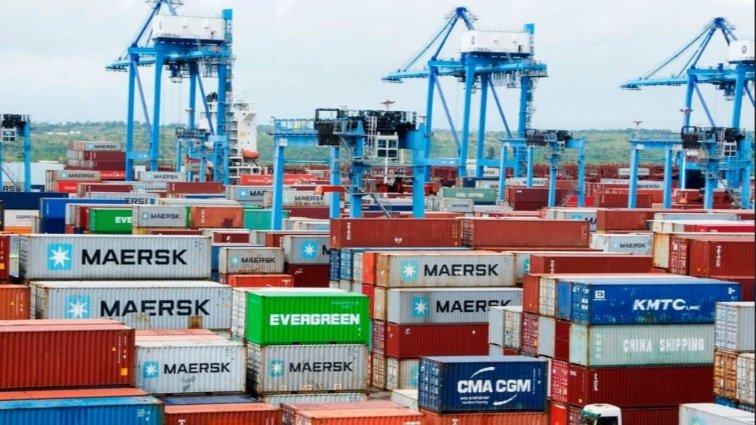
Reachstackers form a critical part of container handling capacity at the Port of Mombasa. Timely replacement and expansion of such equipment support efficient cargo operations and regional trade. The protracted dispute has delayed the introduction of the new machines.
The case joins a series of recent procurement challenges involving KPA equipment tenders. Courts have repeatedly emphasised that statutory timelines and responsiveness requirements are non-negotiable. Bidders must ensure their submissions are complete and accurate from the outset.
Kalmar’s experience serves as a cautionary example for international manufacturers competing for Kenyan public contracts. Even the lowest price cannot salvage a bid that fails basic compliance checks. The decision underscores the premium placed on procedural integrity in public procurement.
Comments (0)
Leave a Comment
No comments yet. Be the first to share your thoughts!