
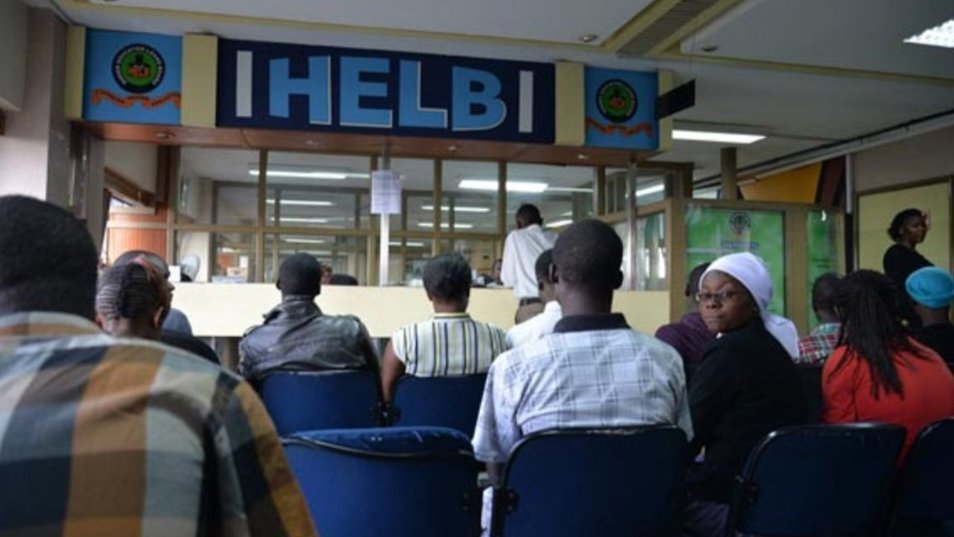

The Higher Education Loans Board (HELB) could be dissolved and replaced by a new Tertiary Education Funding Authority (TEFA) under a Bill now before Parliament.
The Tertiary Education Placement and Funding Bill, 2026, sponsored by National Assembly Majority Leader Kimani Ichung'wah, proposes bringing HELB, the Universities Fund Board and the TVET Funding Board under a single institution.
Under the proposed framework, TEFA would become the central institution responsible for financing students in public universities, colleges and Technical and Vocational Education and Training (TVET) institutions.
The proposed merger is part of a wider restructuring of Kenya's tertiary education financing system. Education Cabinet Secretary Julius Ogamba has said the government is seeking a single funding authority and a centralised database for beneficiaries.
The Bill would give the proposed authority a broader range of financing options than the existing agencies. These would include Treasury bills, bonds, concessional loans, government grants, savings schemes, unit trusts and commercial partnerships.
TEFA would also be allowed to mobilise private capital for education financing. The proposed sources include domestic pension funds, collective investment schemes, sovereign wealth funds and climate finance.
The proposed authority would therefore not rely solely on annual government allocations to finance tertiary education. Its mandate would include mobilising funds from different sources to support the new financing framework.
The Bill comes as Kenya restructures how students admitted to public universities, colleges and TVET institutions receive government support. President William Ruto announced in July that students qualifying for admission would receive government funding under a new universal loan-based model.
The proposed legislation also addresses the administration of student financing. A single institution would handle funding across the different categories of tertiary education currently served by separate agencies.
Existing students are expected to continue under the current funding arrangements during the transition, according to details previously reported on the proposed legislation.
The changes would also affect the way student loans are administered and recovered. Earlier provisions reported from the proposed law include requirements for graduates entering formal employment to disclose outstanding student loans to their employers for purposes of repayment deductions.
HELB currently administers student loans and other forms of financial support for Kenyan students. Its existing loan-repayment system remains operational, with the board continuing to process applications and repayments while the proposed legislation is considered.
The proposed merger would consequently represent a substantial change to the institutional structure through which Kenya finances tertiary education. However, HELB has not been abolished at this stage because the Bill still requires parliamentary consideration and passage before it can become law.
The proposed TEFA would also consolidate the funding responsibilities currently spread across HELB, the Universities Fund and the TVET Funding Board. The government says the approach is intended to simplify the financing system and improve management of student funding data.
The Bill is now part of the ongoing parliamentary debate over how Kenya should finance its growing tertiary education system. Its eventual passage would determine whether the three existing funding bodies are replaced by the proposed single authority.
Comments (0)
Leave a Comment
No comments yet. Be the first to share your thoughts!