
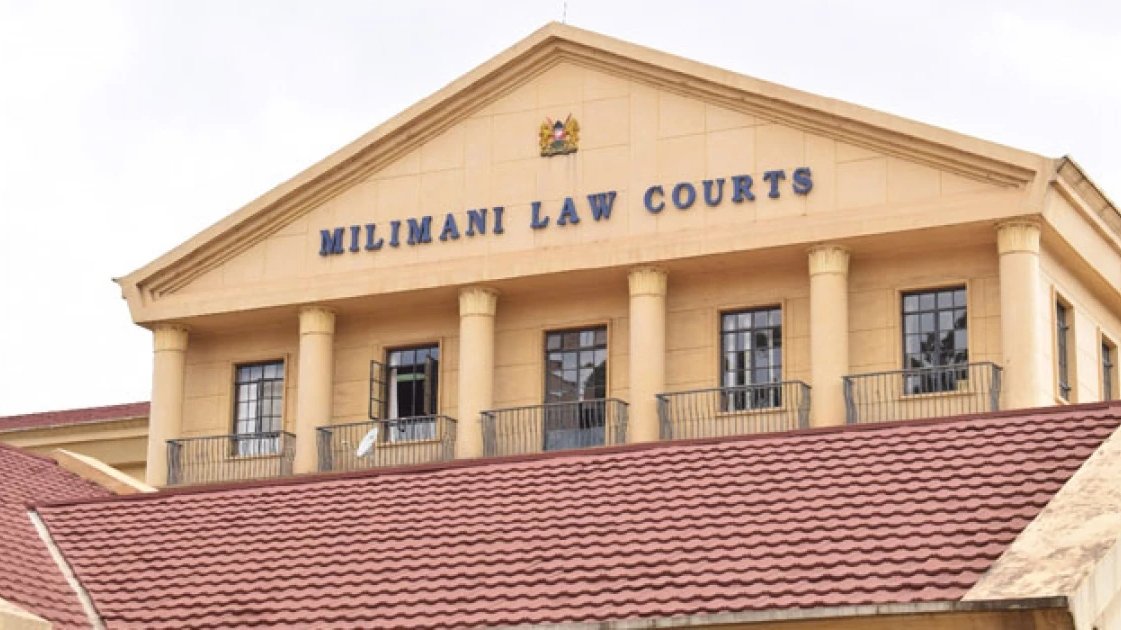

The High Court has once again struck against government plans, issuing conservatory orders that stop the establishment or operation of any Ebola exposure, quarantine, isolation, or treatment facility linked to the United States or other foreign entities.
This marks the second significant judicial intervention in the controversy. The orders came in a petition by the Katiba Institute after the Attorney General failed to appear in court.
They restrain all government agencies from proceeding with such facilities under external arrangements. The court also barred admission or transfer of Ebola-exposed or infected persons through these setups.
Lawyer Nyawa Malidzo argued for the petitioner, citing denied access to the proposed Laikipia site and the need for urgent intervention.
Beyond the halt, judges demanded comprehensive public disclosure. The government must release full terms of any agreements, memoranda, or negotiations.
This covers public health, environmental, biosafety, and security assessments. Details on approvals from Parliament, regulators, or counties are required. Protocols for handling Ebola cases must also be shared.
The orders hold until the full inter-partes hearing.
The decision directly targets the proposed facility at Laikipia Air Base in Nanyuki. Local protests erupted there on June 1, with residents blocking roads over safety fears. A US travel advisory followed, warning of potential spread to Nairobi.
President William Ruto had defended the project days earlier. He described it as part of decades-long health cooperation with the US, responding to a request linked to former President Donald Trump.
For construction professionals, the ruling freezes any retrofit works at the air base. Military sites like Laikipia typically allow quick adaptations for medical use through isolated wards, specialised HVAC systems, and decontamination zones.
Such projects demand biosafety compliance, including negative-pressure rooms and secure waste handling. Leveraging existing base infrastructure speeds up timelines, yet the court pause creates uncertainty for contractors on mobilisation and material orders.
The case exposes tensions in blending defence assets with civilian health infrastructure. Kenya has built similar centres at Kenyatta National Hospital and other locations. Laikipia was selected for its isolation and air links.
Public resistance has complicated matters. Protesters raised concerns about risks to nearby communities. The judicial orders now require evidence of proper consultation and assessments before any resumption.
In Kenya's broader infrastructure sector, rulings of this nature highlight risks in foreign-partnered projects. Health facilities, especially high-containment ones, involve precise material choices and engineering for infection control.
Delays from legal processes often inflate costs and disrupt supply chains. Contractors experienced in secure environments and medical standards stand to feel the impact most.
The Laikipia development, planned as a 50-bed unit, joins ongoing efforts to strengthen disease surveillance. Past outbreaks showed the value of rapid-response infrastructure. Yet this instance faces extra scrutiny over transparency.
For the construction industry, the episode serves as a reminder of judicial influence on project pipelines. Educational and medical builds already navigate layered approvals. Adding international elements increases exposure to challenges.
Government respondents must now compile extensive documentation for the substantive hearing. This includes sharing agreements and risk evaluations publicly.
The orders represent a temporary victory for petitioners pushing for oversight. They add to debates on balancing preparedness with community acceptance.
Construction timelines for airbase retrofits can compress when using existing facilities. However, mandated disclosures and hearings may stretch preparatory phases considerably.
Details on contractors, budgets, or exact scopes remain undisclosed. Attention now turns to compliance and the next court date.
This latest blow follows earlier suspensions and protests. It underscores how public health infrastructure projects can quickly become flashpoints when local concerns clash with national and international priorities.
Stakeholders in Kenya's health and defence construction space will monitor developments closely. The outcome could shape approaches to similar hybrid facilities going forward.
Comments (0)
Leave a Comment
No comments yet. Be the first to share your thoughts!