
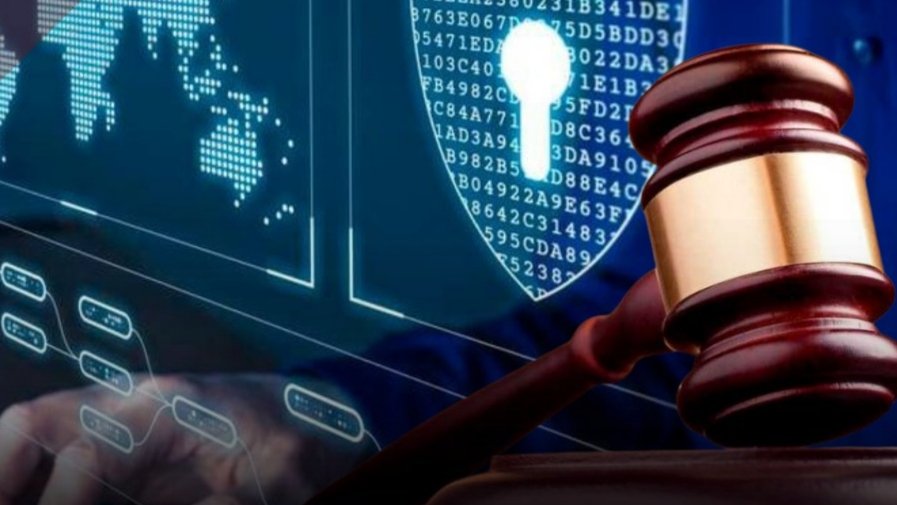

The High Court has struck down key provisions of the Computer Misuse and Cybercrimes (Amendment) Act that gave the National Computer and Cybercrimes Coordination Committee powers to block websites and applications. Justice Patricia Nyaundi ruled that the sections unjustifiably limited constitutional rights to freedom of expression and media freedom.
The judgment also addressed an expanded offence of cyber harassment. The court found that provisions covering communication likely to cause another person to commit suicide failed to meet the constitutional test for limiting fundamental rights.
Justice Nyaundi held that the measures allowed restrictions without adequate judicial oversight. This made them unconstitutional, the judge concluded after hearing arguments from petitioners challenging the law.
The court, however, dismissed the petitioners’ challenge on privacy grounds for lack of precision. The ruling focused primarily on the blocking powers and harassment provisions.
The decision comes amid ongoing debates about balancing online safety with fundamental rights in Kenya. Digital rights groups have long criticised provisions that grant executive agencies broad powers to restrict online content without court involvement.
Freedom of expression and media freedom are protected under the Constitution. Any limitations must be reasonable, justifiable in an open and democratic society, and subjected to strict scrutiny, the court emphasised.
The ruling is likely to affect how authorities handle online content moderation going forward. It sets a precedent requiring greater judicial involvement in decisions to block websites or applications.
The National Computer and Cybercrimes Coordination Committee, commonly known as NC4, had been empowered under the amendment to issue such orders. The court found this framework deficient in safeguarding constitutional rights.
Petitioners had argued that the provisions were overly broad and open to abuse. The judgment validates those concerns regarding lack of safeguards and potential for arbitrary application.
This is not the first time courts have scrutinised aspects of the Computer Misuse and Cybercrimes Act. Previous challenges have addressed other sections, leading to amendments over the years.
The decision reinforces the judiciary’s role in protecting digital rights. It may prompt the government to review and amend the law to align with constitutional standards.
Legal experts say the ruling provides clarity on the limits of state power over online platforms. It could influence future legislation on cybersecurity and content regulation.
Kenya’s digital economy continues to grow rapidly. Ensuring a balance between security concerns and fundamental freedoms remains a key challenge for policymakers and the courts.
The full implications of the judgment will become clearer as authorities respond and any appeals are considered. For now, the struck-down provisions can no longer be enforced in their current form.
Comments (0)
Leave a Comment
No comments yet. Be the first to share your thoughts!