

A version of this article appeared on The Business Daily.
When conflict escalated across the Middle East, military threats targeting passage through the Strait of Hormuz immediately jeopardized regional shipping lanes.
The disruption placed Persian Gulf energy exports of 21 million barrels per day under direct risk, which triggered global energy anxiety. Oil market analysts feared severe fuel supply shocks similar to historical crises.
African nations that rely heavily on imported refined fuels faced sudden price spikes and acute supply deficits. Kenya felt the pressure quickly, as fuel supply lines faced severe disruption.
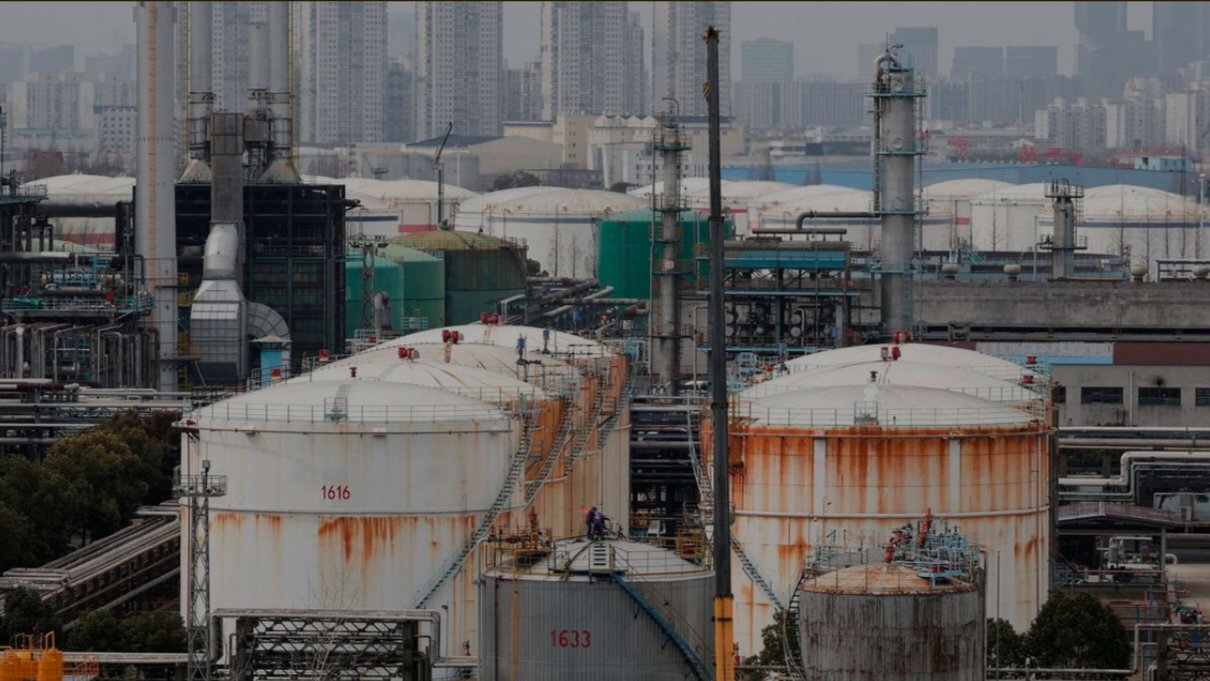
China had spent years building its Strategic Petroleum Reserve (SPR), accumulating massive crude inventories. Beijing tapped into those vast reserves when global supply chains stalled.
By drawing down domestic crude reserves, China reduced its reliance on spot market imports. That move eased competition for available global cargoes, which provided unexpected relief to smaller purchasing nations.
Kenyan energy importers managed to secure necessary refined shipments without competing against aggressive Chinese buying. Global prices stabilized faster than expected, although market volatility persisted throughout the crisis period.
The buffer created by Chinese inventory drawdowns allowed key supply lines to remain operational. Local fuel stations across East Africa maintained adequate stocks, when many predicted widespread shortages.
Kenya Pipeline Company (KPC) maintained continuous distribution across regional depots during the peak of global uncertainty. Infrastructure networks operated without severe disruption, which protected local transport sectors.
President Ruto had previously emphasized energy security measures to shield domestic consumers from global market shocks. National agencies monitored vessel arrivals at the Port of Mombasa (PoM) to ensure steady delivery schedules.
Energy and Petroleum Regulatory Authority (EPRA) kept retail prices within managed bounds during the turbulent market period. Regulatory controls prevented rapid price escalation, but international crude benchmarks remained elevated.
Commercial refiners and traders adjusted supply routes to avoid military risk zones around the Red Sea. Shipping routes around the Cape of Good Hope (CoGH) added transit time, which increased freight expenditures.
China expanded its energy security strategy beyond crude storage into alternative power generation systems. Massive investments in solar power, wind generation, and electric vehicles helped curb domestic fossil fuel consumption.
Reduced Chinese demand on international spot markets prevented a catastrophic price surge for developing economies. Sub-Saharan African economies benefited directly from lower price pressures, although overall import costs remained high.
Strategic planning by major consumer nations demonstrated how large-scale stockpiles influence global supply stability. The unexpected cushion helped Kenya navigate global trade disruptions, but long-term energy resilience requires expanded storage capacities.
Infrastructure planners across East Africa now review regional storage infrastructure to build stronger energy buffers. Future capital projects aim to enhance storage facilities, which will better protect domestic markets against global shocks.
The recent geopolitical tensions highlighted how interconnected global supply chains remain for developing nations. Sustained investments in storage capacity will prove vital, if future international energy disruptions occur.
Energy experts note that national fuel reserves serve as essential economic shock absorbers during international conflicts. Building domestic storage remains a major priority, as global energy markets face ongoing volatility.
Government officials continue to evaluate regional energy infrastructure projects to strengthen distribution networks. Long-term investments in expanded oil storage facilities will remain critical, as international supply risks persist.
Comments (0)
Leave a Comment
No comments yet. Be the first to share your thoughts!