
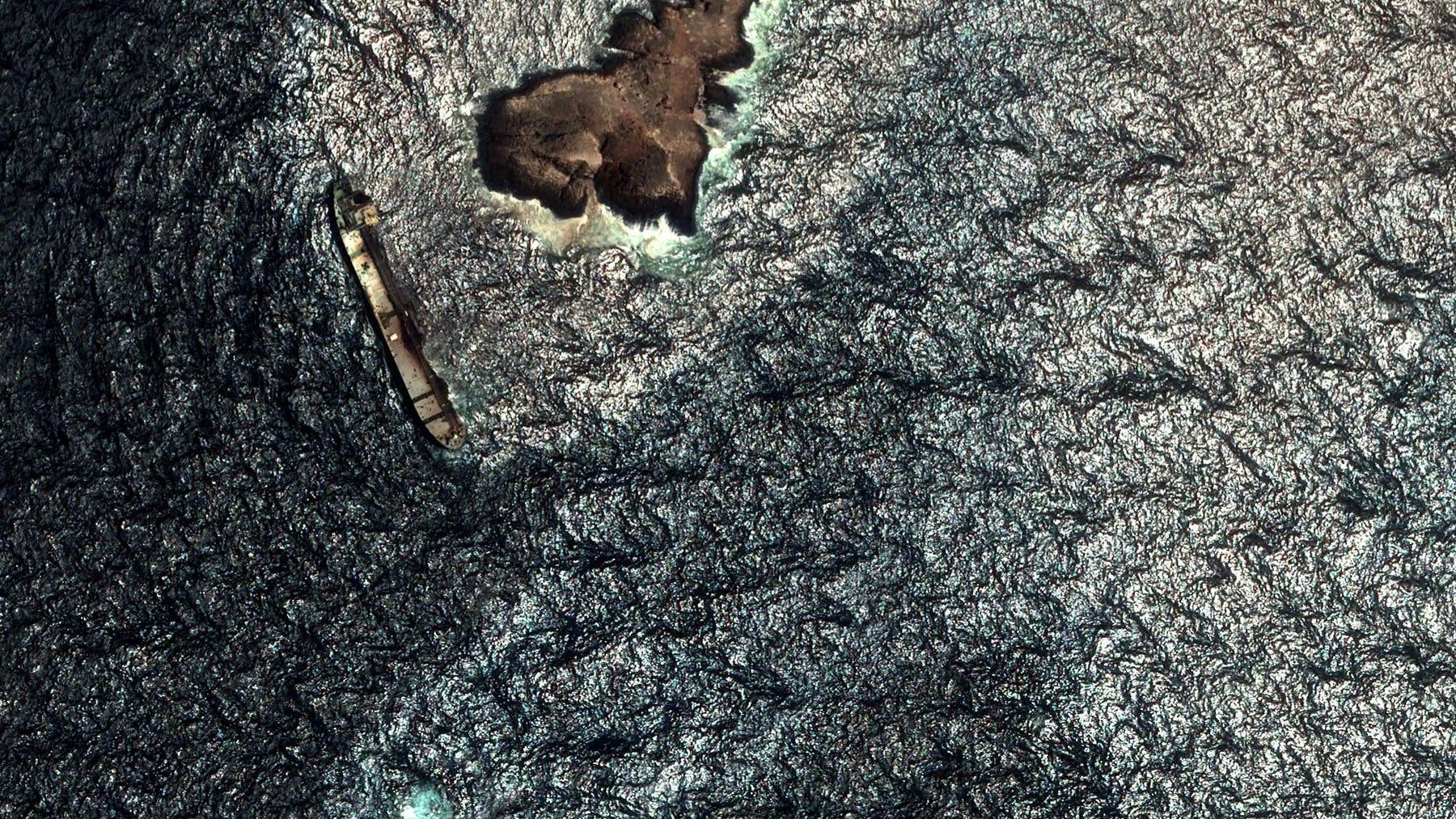

Maritime risks are rising in the Middle East as the widening conflict involving Iran forces commercial vessels to take extreme precautions. More oil tankers navigating the region's critical shipping lanes are switching off their location tracking devices to avoid targeting by military strikes and drone attacks, according to maritime experts.
The practice of disabling transponders, widely used to prevent targeting by coastal forces or regional militias, leaves large commercial vessels hidden from global tracking networks. Navigating narrow maritime channels like the Strait of Hormuz without active location devices creates immediate risks of mid-sea collisions and disastrous environmental incidents.
The Strait of Hormuz serves as a vital chokepoint for global energy logistics, handling a significant portion of the world's seaborne petroleum exports. With vessels routinely running dark, maritime traffic management in the narrow passage has become exceptionally hazardous for commercial shipping operators.
Standard commercial vessels rely heavily on the Automatic Identification System (AIS) to transmit real-time data regarding location, course, and speed to nearby ships and port authorities. Disabling AIS units deprives neighboring vessels of vital navigational awareness, particularly during nighttime transits or in congested shipping lanes.
Industry analysts warn that the absence of visible tracking data significantly elevates the potential for accidental collisions between commercial tankers. A high-impact collision between loaded crude carriers poses severe environmental threats, including catastrophic oil spills that could disrupt global shipping channels and damage sensitive marine ecosystems indefinitely.
Commercial operators and vessel captains are balancing immediate security threats against long-term navigational hazards. Military activity in the Gulf has altered traditional maritime operations, forcing shipping lines to operate under extreme tactical precautions while moving essential energy supplies through volatile international waters.
Comments (0)
Leave a Comment
No comments yet. Be the first to share your thoughts!