

A version of this article appeared on Citizen Digital.
Kenya's road network infrastructure is transitioning toward digital enforcement following a collaborative policy shift from state transport regulators and the justice department.
The National Transport and Safety Authority (NTSA) has introduced a revised framework for handling minor traffic violations, if motorists choose to settle penalties without entering a physical courtroom.
Developed alongside the National Police Service (NPS), the Office of the Director of Public Prosecutions (ODPP), and the Judiciary, the system relies heavily on technology deployed along key national transport corridors.
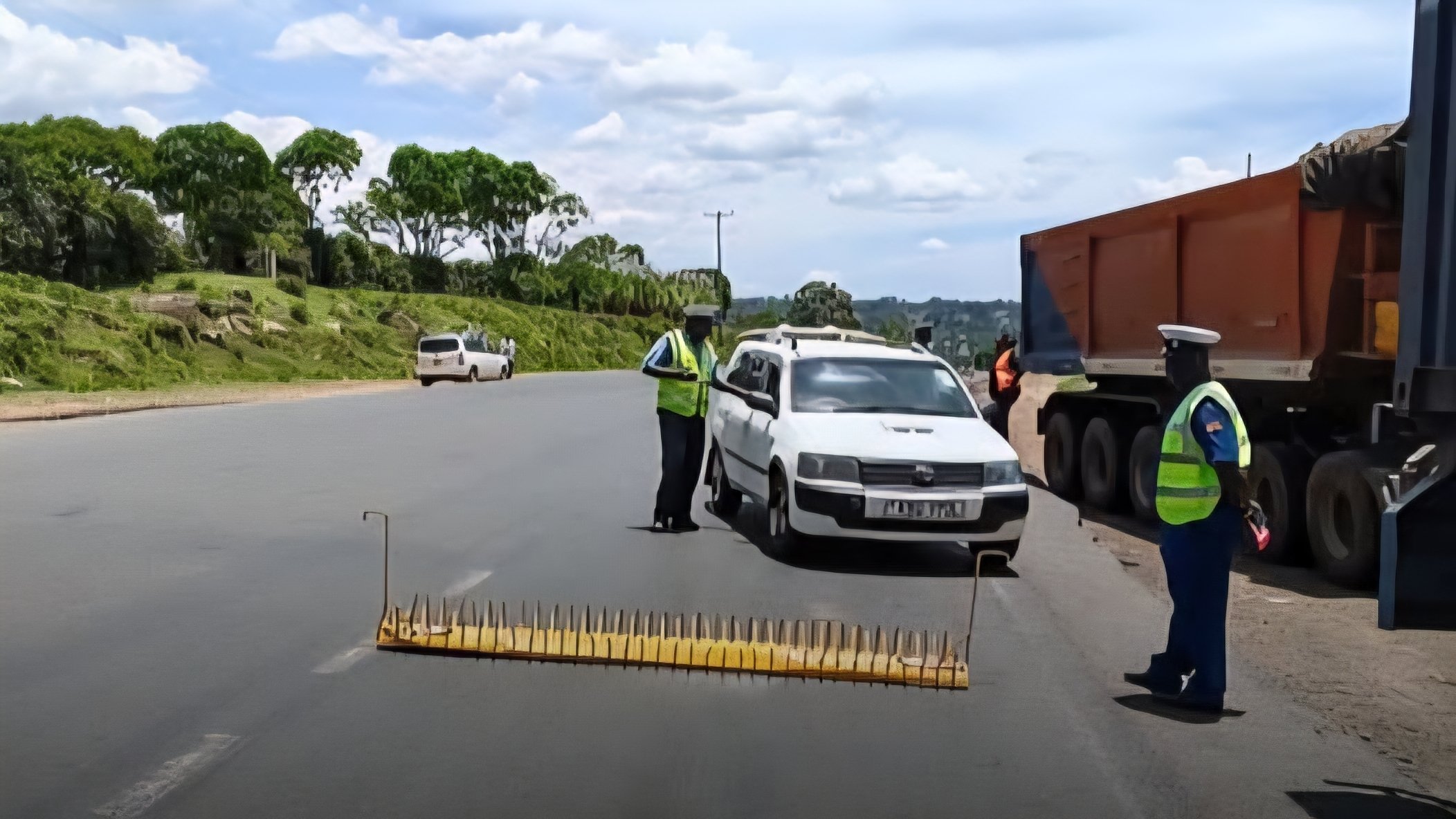
The mechanism utilizes a dual approach to monitor compliance, combining routine roadside deployments by physical officers with electronic monitoring through automated traffic surveillance cameras.
When an infrastructure camera or an officer registers a violation, the state issues a formal Police Notification of Traffic Offence directly to the driver, or the registered vehicle owner.
According to official operational guidelines, these notifications will be transmitted through physical delivery, vehicle placement, or electronic communications including Short Message Service (SMS) and email.
Each digital transmission specifies the precise nature of the violation, the timestamp, the exact geographical location on the road network, the mandated fee, and clear payment procedures.
The regulatory body expects the integration of fixed and mobile monitoring tools to minimize human interference during roadside checks, while creating a verifiable electronic paper trail for every vehicle.
Motorists hold the statutory right to request and review the electronic evidence, such as high-resolution photographs or video footage, before deciding on a legal course of action.
The enforcement schedule targets minor offences outlined under the Traffic Rules of 2016, with financial penalties capped between KES 500 and KES 10,000.
These violations include lane indiscipline, driving on designated pedestrian footpaths, failing to carry safety triangles, and utilizing a mobile phone while a vehicle is in motion.
More severe road safety violations, such as driving under the influence of alcohol, remain completely outside this framework and must go through the standard judicial process.
Upon receiving a notification, an operator can either acknowledge liability by paying the administrative fine, or contest the state's evidence in a traffic court.
Settling the penalty digitally closes the file immediately, although judges retain the legal authority to adjust fines or log demerit points against a driving profile.
Failing to respond within the designated timelines, or refusing to attend court after a challenge, will prompt the judiciary to issue stiffer statutory punishments.
The multi-agency program follows the total withdrawal of a fully automated instant fine initiative in late March, which had faced significant operational and procedural scrutiny.
By grounding the electronic camera network within existing police structures, authorities aim to manage road safety and reduce severe congestion within the national court infrastructure.
Comments (0)
Leave a Comment
No comments yet. Be the first to share your thoughts!