

Kenya could need about 1,000 megawatts of battery energy storage to manage rising electricity demand, cut reliance on thermal power and absorb more renewable generation.
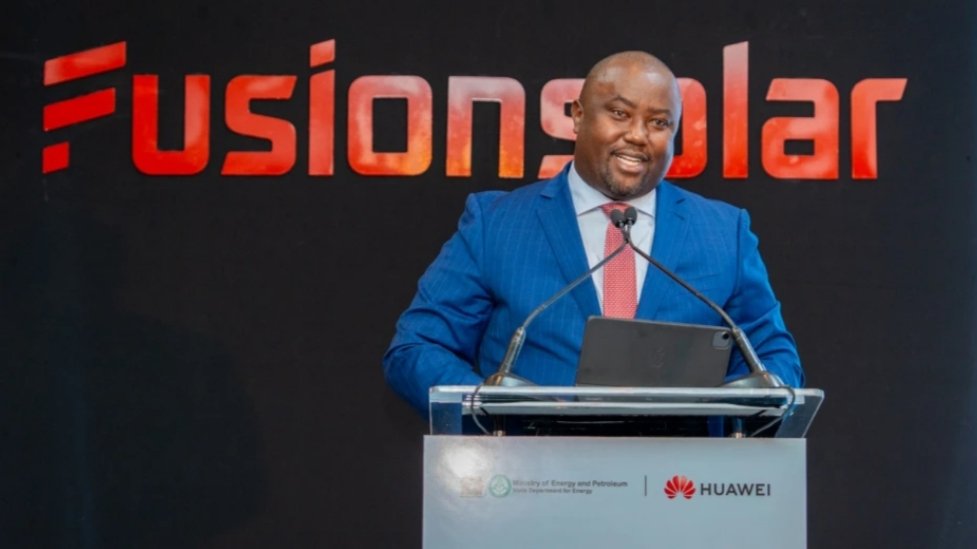
Principal Secretary for Energy Alex Wachira made the assessment at the Kenya Energy Transition Forum 2026 held on 11 August in Nairobi. Peak demand recently reached 2,549 MW. It is expected to climb to between 2,600 and 2,650 MW by the end of the year as new transmission and generation projects come online.
Night-time demand drops to between 1,600 and 1,700 MW. That difference creates space to store surplus power during low-demand hours and release it during the evening peak between 7 pm and 10 pm.
Wachira said the storage capacity would help reduce the need for expensive thermal generation. It would also allow Kenya to integrate higher volumes of solar and wind power without destabilising the system.
He stressed that the energy transition is not simply about adding more renewable generation. It also requires modernising the electricity grid and changing the way the power system is planned, operated and managed.
Smart grids, advanced grid management systems, improved forecasting, digitalisation, demand-side flexibility, power electronics and energy storage were listed as important technologies. These tools would strengthen grid stability, support higher renewable penetration, improve resilience and reduce technical and commercial losses.
James Sun Quan, Deputy CEO for Public Affairs at Huawei Kenya, said the company is open to collaborations on Kenya’s energy transition. He pointed to grid-forming energy storage and smart grid solutions that can help integrate more renewable energy while keeping the grid stable and reliable.
EPRA chairman Moses Mabonga reported that renewable sources accounted for 80.17 per cent of the electricity mix in the financial year ended June 2025. Thermal power contributed 9.23 per cent. He linked the continued use of thermal generation partly to higher demand during the evening peak window.
KenGen CEO Peter Njenga said the company is expanding beyond its traditional focus on geothermal and hydro. It is exploring more solar and wind generation, including potential sites in Marsabit and Meru.
Njenga noted that introducing intermittent sources creates challenges for grid stability. He said Kenya needs to combine different technologies to maintain a reliable power supply and ensure security of electricity.
Wachira urged stakeholders to move from discussions to practical solutions. He called for investment, policy and regulation that support energy storage and modern grid technology as the country prepares for rising demand and greater renewable energy integration.
The forum was convened by the State Department for Energy under the Ministry of Energy and Petroleum in partnership with Huawei Kenya. It brought together government officials, energy executives, technology leaders and research institutions.
The discussions underlined that battery storage and smarter grid controls are becoming central to Kenya’s ability to handle both higher peak loads and a cleaner generation mix. Without these tools, the system risks continued reliance on costly thermal plants during evening hours.
Officials indicated that the next steps will involve clearer investment frameworks and technical standards that allow storage projects and digital grid systems to move from planning into construction and operation.
Comments (0)
Leave a Comment
No comments yet. Be the first to share your thoughts!