
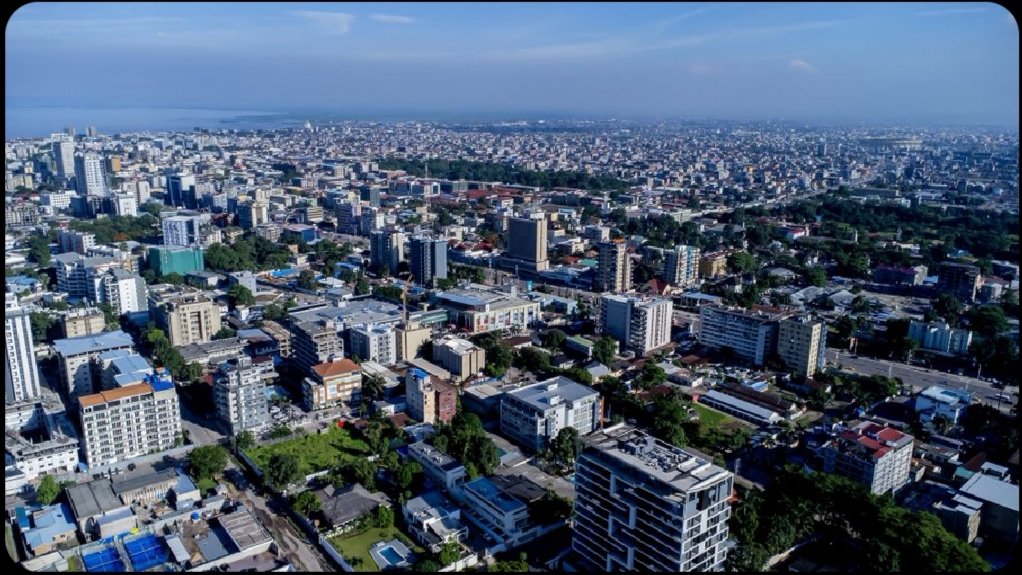

Kinshasa’s population is projected to reach 26 million by 2030. The city already hosts 21.8 million people, according to a post by civil engineer Akech Andrew.
The observation contrasted two perspectives on the Congolese capital. While many outsiders focus on the war-torn aspects of the Democratic Republic of Congo, Tanzania and Uganda are looking at an untapped market.
The post attracted replies that reflected both caution and opportunity. One user described the city as very dangerous and severely dilapidated, calling for a government that prioritises the environment.
Another noted that the Democratic Republic of Congo has been included in the greater East African Community. The comment suggested the opportunity is visible to regional players.
A further reply pointed out that existing trade links concentrate on the eastern part of the country rather than the west, where Kinshasa is located.
The population figures underscore the scale of urban growth in one of Africa’s largest cities. Rapid expansion of this magnitude carries implications for housing, transport, water and other basic infrastructure.
Andrew’s post framed the numbers against competing regional views. The market potential highlighted by Tanzania and Uganda sits alongside persistent security and urban management challenges.
No additional official projections or infrastructure plans were attached to the original post. The discussion remained centred on the stated population data and the differing lenses through which the city is viewed.
Kinshasa’s current size of 21.8 million already places it among the continent’s major urban centres. The projected rise to 26 million within four years points to continued high growth rates.
Regional economic interest, particularly from East African Community members, forms part of the conversation around the city’s future. Trade patterns and physical access remain practical considerations.
The post did not expand on specific construction or investment projects. It simply placed the demographic trajectory beside the contrasting narratives of conflict and commercial opportunity.
Online reactions mixed concern over living conditions with recognition of the city’s economic scale. The original figures provided the common reference point for the exchanges.
Urban planners and regional traders continue to monitor Kinshasa’s expansion. The 2030 projection offers a clear numerical marker for the scale of change expected.
Comments (0)
Leave a Comment
No comments yet. Be the first to share your thoughts!