
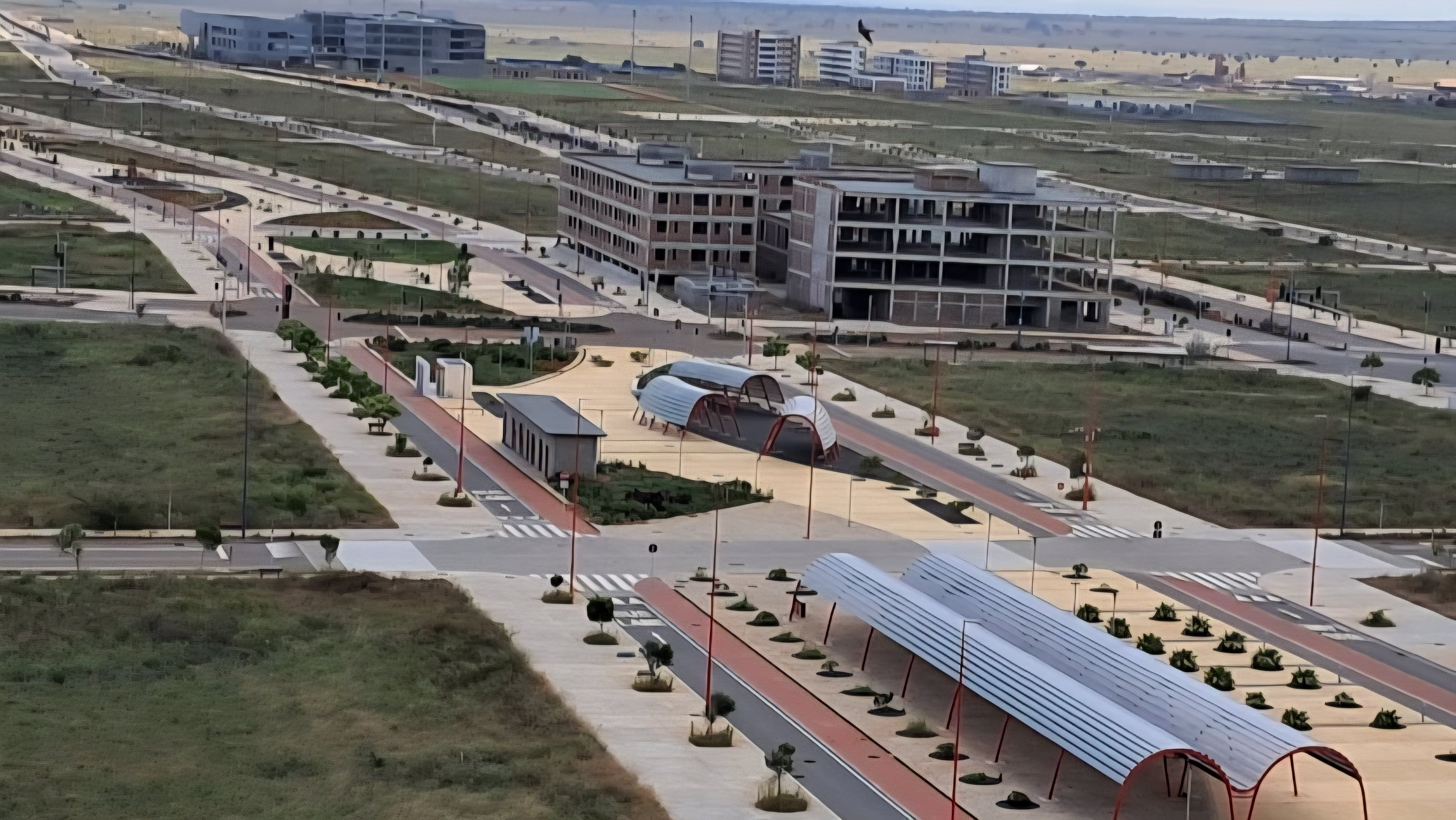

The Kenya Wildlife Service (KWS) has officially granted provisional registration to the Konza Technopolis Wildlife Conservancy, formalising the protection of 404.69 hectares of land within the flagship tech hub.
The decision makes the site the first purpose-built smart city in Africa to integrate a formally registered wildlife sanctuary directly into its urban development blueprint.
According to a statement from the technopolis, the designated area forms a vital component of the wider Athi-Kapiti ecosystem.
The newly registered zone provides a secure habitat for several crucial wildlife species, including the Grey Crowned Crane, Rüppell's Griffon Vulture, and the White-backed Vulture.
Zebras, gazelles, and the Maasai ostrich also inhabit the protected grounds.
To comply with KWS regulations, the smart city must maintain the conservancy for a minimum of 15 years, under the guidance of a comprehensive wildlife conservancy management plan that is already active.
The master plan for the 5,000-acre development allocates approximately 1,000 acres specifically to a wildlife corridor, which is intended to allow natural ecosystems to exist alongside modern digital infrastructure.
Technopolis Development Authority CEO, John Paul Okwiri, stated that the registration represents a major step in balancing technological advancement with environmental stewardship.
The authority expects the formal listing to open up new streams for environmental, social, and governance-aligned investments, carbon credit initiatives, and climate finance.
Plans are also underway to utilise the landscape for wildlife research, nature-based education, and sustainable eco-tourism.
The protected habitat will directly border a planned 80-acre Luxury Eco-Living Zone, a mixed-use real estate precinct set aside for bespoke villas, eco-lodges, holiday homes, and hospitality infrastructure.
Locally, the initiative aligns with national green economic policies, while globally supporting the United Nations Sustainable Development Goals, specifically targeting urban resilience and terrestrial ecosystem protection.
Comments (0)
Leave a Comment
No comments yet. Be the first to share your thoughts!