
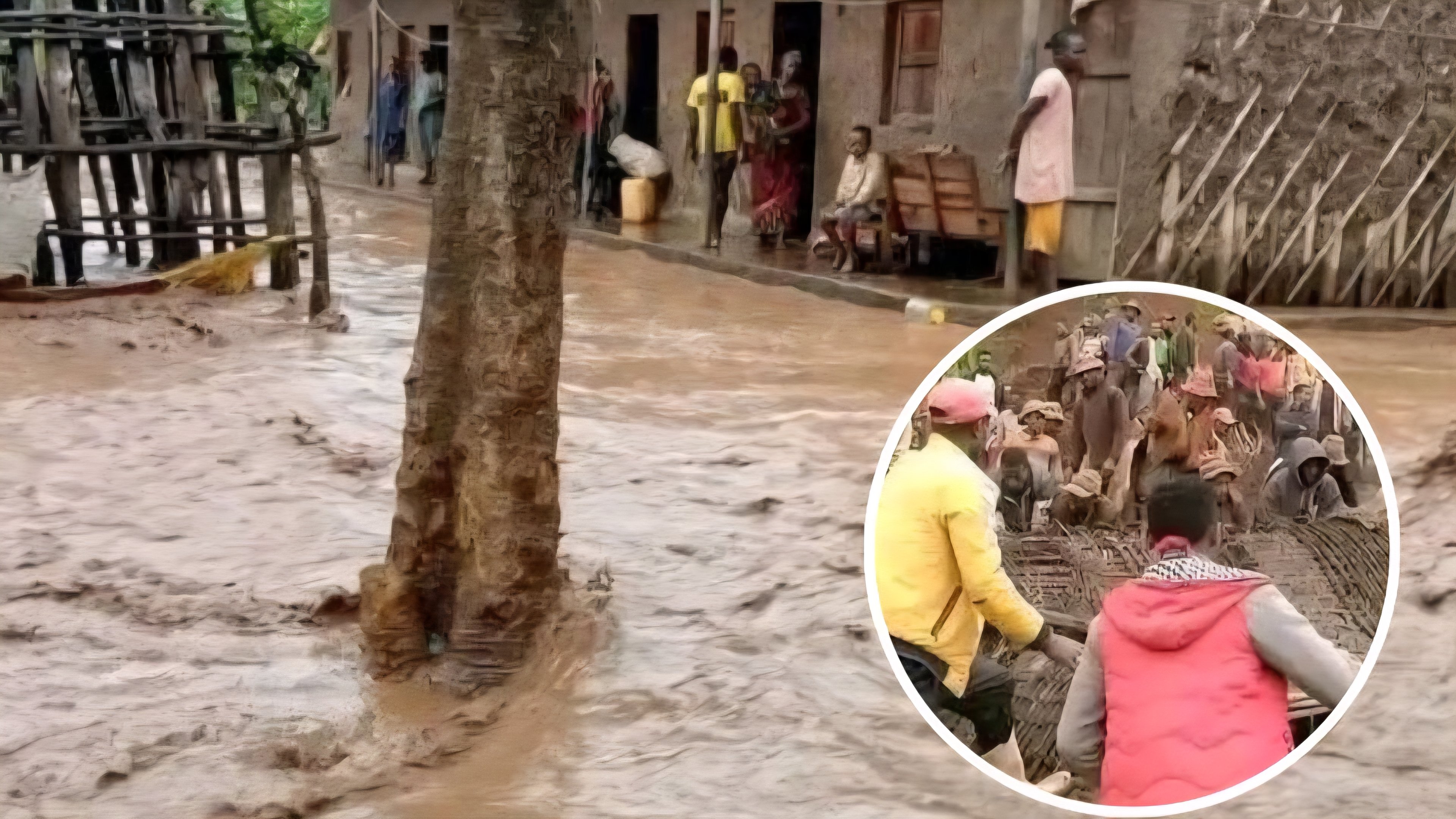

Regional authorities in southern Ethiopia have confirmed that at least 30 people lost their lives following a series of devastating landslides and flash floods. The disaster, which struck the Gamo Zone of the South Ethiopia Regional State, followed a period of unrelenting downpours that saturated the highland areas between the night of March 9 and the morning of March 11, 2026.
The Gamo Zone administration reported that the extreme weather has caused extensive damage to property and public works. In the highland districts of Bonke and Gacho Baba, residential houses were leveled by sliding earth, while sudden inundations submerged local settlements. In one instance, a landslide in Yela Kebele claimed the lives of a mother and her two children when their home was struck instantly.
Logistics and transport networks have faced significant disruption. Officials noted that debris from the landslides and surging floodwaters have blocked major public transport routes, complicating search and rescue operations. These obstructions have effectively cut off several kebeles across three woredas, making the delivery of emergency supplies a primary challenge for the regional government.
The structural impact extends to Arba Minch city and nearby districts. Mesfin Manuko, head of the Gamo Zone Disaster Risk Management Office, stated that the overflow of the Kulfo and Sego rivers damaged various institutions and infrastructure. This surge in water levels has put immense pressure on drainage systems and riverbank protections that were already strained by the seasonal rains.
This environmental catastrophe comes as the wider East African region battles severe weather conditions. In neighboring Kenya, flash floods have recently claimed dozens of lives and caused widespread damage to urban infrastructure in Nairobi. The persistent rainfall, characteristic of the current Belg season, continues to heighten the risk of further geological instability in mountainous zones.
Wogene Bizuneh, commissioner of the South Ethiopia Region Disaster Risk Management and Food Security Commission, warned that ongoing rains could trigger additional incidents in vulnerable areas such as Wolayta, South Omo, and Gofa. The regional government has pledged to provide resources for recovery, but the immediate focus remains on clearing blocked transit paths to reach isolated communities.
Residents in high-risk zones have been advised to monitor for ground cracks or the sudden emergence of water springs, which often precede a slope failure. Authorities continue to emphasize the need for relocation away from steep slopes and riverbanks until the weather patterns stabilize.
Comments (0)
Leave a Comment
No comments yet. Be the first to share your thoughts!