

A version of this article appeared on The New York Times.
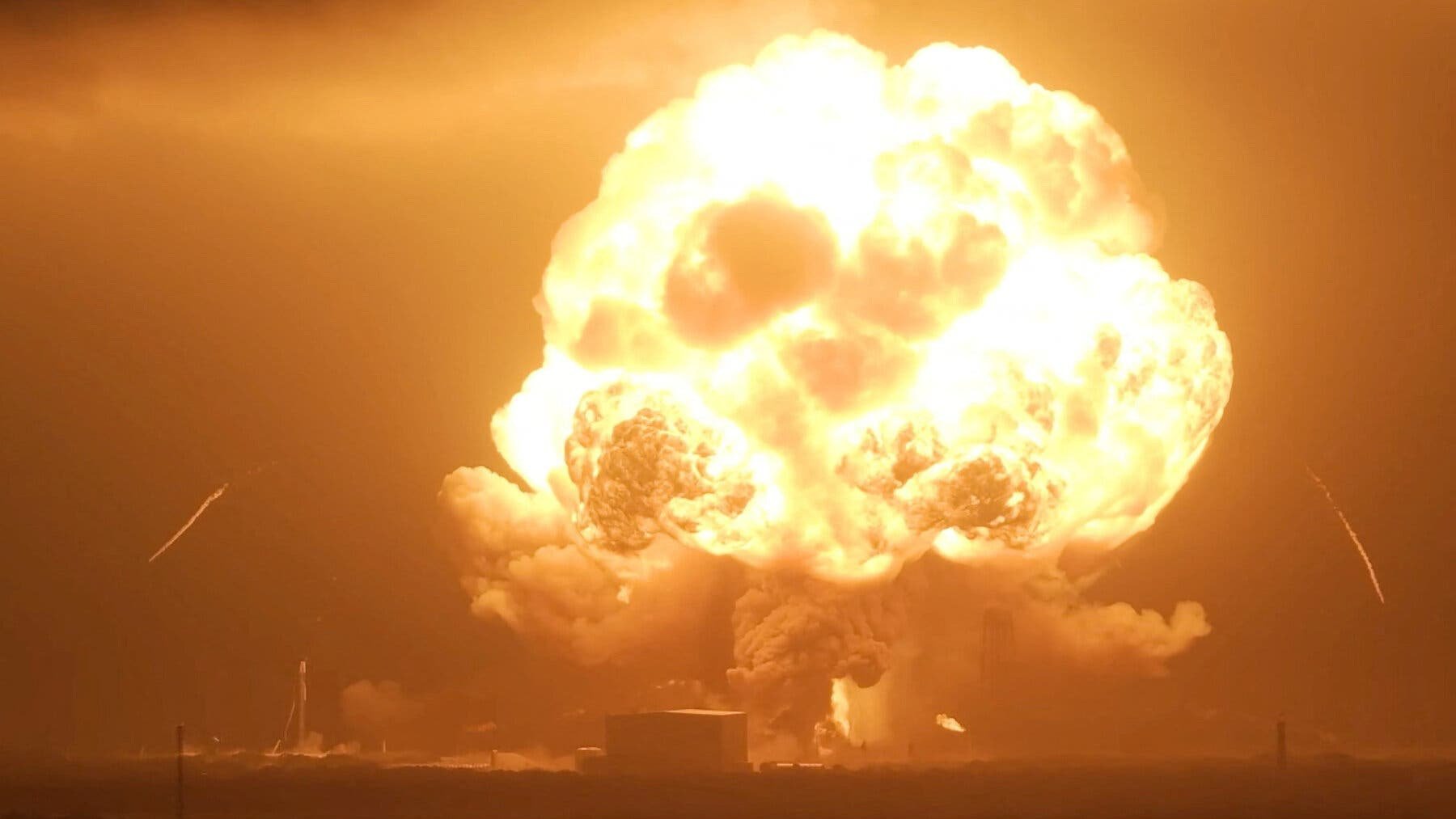
A catastrophic launchpad explosion at Cape Canaveral Space Force Station (CCSFS) has destroyed a heavy-lift rocket, and caused extensive damage to critical launch infrastructure.
The uncrewed New Glenn rocket, built by Jeff Bezos' aerospace firm Blue Origin, erupted into a massive fireball at approximately 9 p.m. during a routine prelaunch engine test, according to officials.
Ground crews were conducting a static hot-fire test, which involves firing the first-stage engines at full thrust while the vehicle remains anchored, when an anomaly occurred at the base of the structure.
The 321-foot-tall vehicle collapsed, and exploded as its massive load of methane fuel and liquid oxygen ignited, illuminating the night sky across the Florida coast.
No injuries were reported, because the immediate area surrounding Space Launch Complex 36 (SLC-36) had been completely evacuated in accordance with standard safety protocols.
The structural damage to the pad is extensive, with aerial assessments revealing that the standalone lightning tower was obliterated, and the heavy steel transporter-erector used to position the rocket was warped beyond repair.
Engineers face a lengthy rebuilding process at SLC-36, which serves as the sole operational pad for the heavy-lift vehicle, though a secondary launch site nearby is still in the early stages of construction.
Industry analysts estimate that clearing the debris, conducting forensic engineering investigations, and rebuilding the complex structures could sideline the facility for several months or more.
The accident delivers a severe blow to the deployment timeline of Amazon's low-Earth orbit satellite network, known as Leo, which aims to provide global broadband connectivity.
The destroyed vehicle had been scheduled to launch a batch of 48 internet satellites, though Amazon confirmed that none of the operational hardware was on board during the test.
The National Aeronautics and Space Administration (NASA) is also monitoring the situation closely, as the agency recently awarded Blue Origin multi-million dollar contracts to deploy lunar infrastructure and rovers.
The heavy-lift rocket is central to the upcoming Artemis missions, where it is slated to launch a prototype cargo lander to the lunar surface.
In a statement released on social media, Jeff Bezos acknowledged the severity of the incident, describing it as a very rough day for the company.
The founder stated that the team is already working to find the root cause, and vowed that they will rebuild whatever needs rebuilding to get back to flying.
The Federal Aviation Administration (FAA) had recently cleared the vehicle to resume operations following a separate engine failure during its third flight, which left a payload in an incorrect orbit.
Local emergency management officials confirmed that the fire burned for hours, but noted that there was no ongoing public safety threat from hazardous fumes, although debris from 229606.png may wash ashore.
Comments (0)
Leave a Comment
No comments yet. Be the first to share your thoughts!