

Nairobi’s repeated flooding during heavy rains continues to spark debate about the real causes. Many residents and officials point to blocked drains or inadequate capacity. A recent analysis by a construction project manager suggests a deeper structural problem linked to how the city has grown.
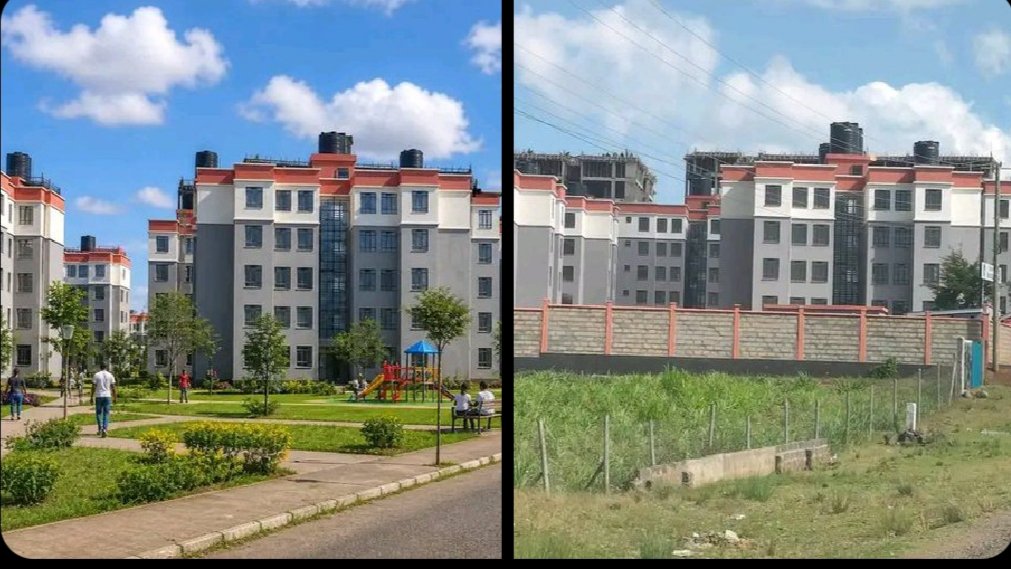
Perimeter walls around gated communities, the argument goes, play a major role in disrupting natural water flow. These walls, built primarily for security, seal off large areas and force stormwater toward limited exit points. In a 100-acre zone filled with several fully enclosed estates, natural drainage corridors are effectively cut off.
Water that once moved freely through connected streets now has to seek the same controlled gates used by cars and people. Designers of the walls rarely prioritise hydrological pathways. Their focus remains on keeping intruders out. The result is ponding, overflow into neighbouring properties, and deeper flooding in the very compounds meant to feel safe.
Gated communities have become the default response to crime in Nairobi. Residents prefer high-rise clusters wrapped in perimeter walls and accessed through single controlled entrances. The model feels secure, yet it reduces urban permeability for both people and water. Western cities largely abandoned this approach decades ago because open, connected street networks support better resilience.
Nyayo Estate is often cited as a better example. Ideally every internal road should link outward, allowing traffic and stormwater to disperse through multiple routes. That is how functional urban systems are supposed to operate. When walls dominate, the city loses that flexibility.
Even government-funded affordable housing projects now appear behind eight-foot walls. The design choice signals a lack of confidence in public safety. If the same funds spent on walls across Kenya were redirected, the writer notes, they could finance significant infrastructure elsewhere.
The analysis does not claim walls are the sole cause of flooding. Failed or undersized drains remain part of the problem. Yet the cumulative effect of sealing off large tracts of land is rarely examined through rigorous research. Without that evidence, the city continues to treat symptoms rather than underlying patterns.
Crime has quietly reshaped Nairobi’s growth. Instead of investing in systems that make open neighbourhoods safe enough for unlocked doors, the response has been to build compounds that assume insecurity as normal. Walls do not always deliver the protection they promise. Residents still report thefts inside gated compounds with guards present.
Konza Technopolis is presented as a rare opportunity to do things differently. There, planners could prioritise open design where safety comes from systems rather than barriers, and where perimeter fences become optional rather than mandatory. An open society, the argument concludes, reflects confidence rather than fear.
Urban flooding in Nairobi is complex. Topography, rainfall intensity, informal settlements and aging infrastructure all contribute. Yet the construction model that prioritises sealed estates over permeable street networks deserves closer scrutiny. Without it, every new gated development risks locking the same drainage problems into the city’s future.
Comments (0)
Leave a Comment
No comments yet. Be the first to share your thoughts!