
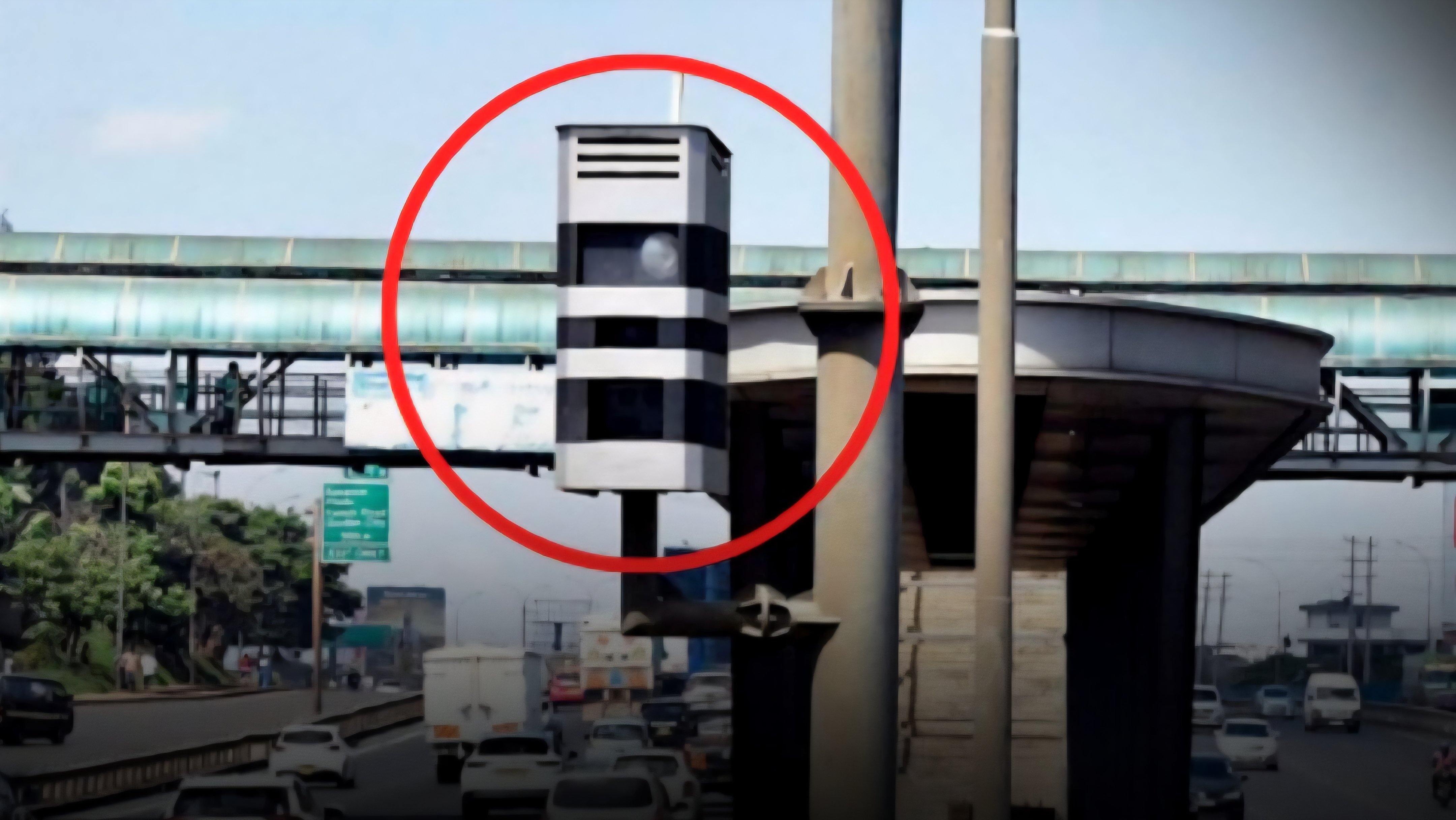

The National Transport and Safety Authority (NTSA) and its Director General Nashon Kondiwa have been sued for contempt over alleged non-compliance with court orders concerning the authority's instant traffic fines system.
The contempt proceedings relate to orders issued by the High Court restricting NTSA's implementation of the automated traffic enforcement system. The case places the authority and its chief executive under renewed judicial scrutiny over their handling of the directives.
NTSA introduced the Instant Fines Traffic Management System on March 9, 2026. The system was designed to automatically notify motorists of certain traffic offences, including speeding, lane violations, driving on pavements and failure to wear seatbelts.
Under the initial framework, motorists receiving instant-fine notifications were required to settle the prescribed penalties within the stipulated period. NTSA said the system was intended to improve traffic enforcement and reduce the need for motorists to appear in court over minor offences.
The rollout was challenged in court shortly after its introduction. Lawyer Shadrack Wambui filed a petition questioning the legality of the system, prompting the High Court to issue conservatory orders restricting its implementation.
The dispute subsequently continued as NTSA sought to defend its position in court. In April, the authority told the High Court that the case challenging the rollout had been overtaken by events after NTSA withdrew the system.
Kondiwa stated at the time that NTSA had formally withdrawn the rollout on March 27. The authority said there was no operational Instant Fines Management System following the withdrawal.
NTSA said the withdrawal was intended to allow the public to better understand procedures for handling minor traffic offences under Section 117 of the Traffic Act. The authority also said it would communicate procedures aligned with existing law after further engagement.
The system's legal position later became more complicated as NTSA continued to explain aspects of its traffic enforcement framework. In June, Kondiwa said court orders affecting the programme related to its Public-Private Partnership component and distinguished that arrangement from enforcement under the Minor Traffic Offences Rules.
The authority also changed how motorists were expected to pay instant traffic fines. In June, NTSA said payments were being handled through Kenya Commercial Bank branches and agents rather than eCitizen, with Kondiwa citing concerns over fraud targeting motorists.
NTSA's official information currently explains that minor traffic offences can be processed through notices, with motorists given an opportunity to respond, pay where applicable or have the matter escalated to court. The authority lists offences such as failure to wear a seatbelt, minor parking violations and exceeding speed limits among minor traffic offences.
The contempt case now brings the question of compliance with court orders back before the courts. Contempt proceedings can expose public officials to sanctions where a court establishes that its orders were knowingly disobeyed.
The latest case does not, by itself, establish that NTSA or Kondiwa committed contempt. That determination remains a matter for the court based on the evidence and arguments presented by the parties.
The proceedings are the latest development in a dispute that has involved the regulator, motorists, civil society actors and the courts since the automated fines framework was introduced earlier this year.
Comments (0)
Leave a Comment
No comments yet. Be the first to share your thoughts!