
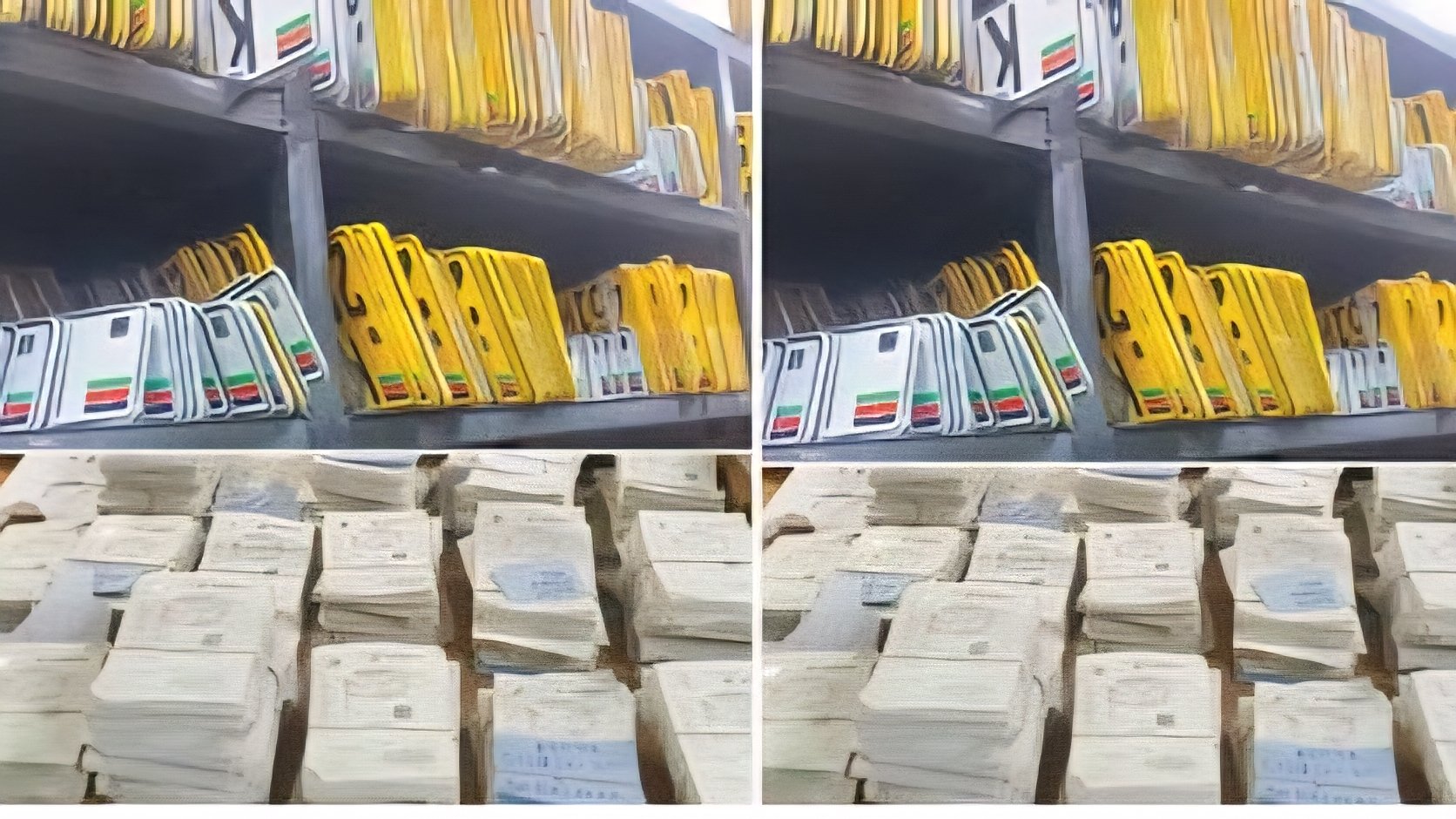

The National Transport and Safety Authority (NTSA) has announced a significant shift in its internal operations, moving all vehicle registration and licensing functions to a centralized digital system. This administrative change aims to address a persistent backlog that has left thousands of motorists across Kenya waiting for months to receive logbooks and the new generation reflective number plates. Under the revised protocol, the agency is consolidating its data management to streamline the verification and issuance process, which has recently been plagued by technical hitches and logistical bottlenecks.
According to a directive issued by the NTSA, the transition involves migrating records from older, fragmented databases to the integrated Transport Integrated Management System (TIMS). The move is expected to create a more transparent tracking mechanism for applicants. Motorists have frequently complained about a lack of clarity regarding the status of their applications, with some reporting that their files appeared to be stuck in a manual processing loop despite the agency’s push for modernization. By centralizing these records, the NTSA intends to provide real-time updates and reduce the manual intervention required by regional officers.
The backlog in reflective number plates has been a particular point of contention for the transport sector. These plates, which were introduced to enhance vehicle security through embedded microchips and specific fonts, became mandatory for new registrations and transfers. However, the production and distribution pace failed to match the demand following the initial rollout. The authority now indicates that the digital shift will allow for better coordination with the production facilities, ensuring that once a plate is manufactured, the digital record is updated immediately to notify the owner for the collection.

Logbook issuance has faced similar hurdles. Under the previous arrangement, delays in verifying physical documents against digital entries often led to months of waiting. The NTSA now requires that all applications for logbook transfers, duplicates, and new registrations be handled through the centralized portal. This change removes the necessity for motorists to visit physical centers for preliminary status checks, as the system is designed to flag missing information or pending approvals automatically.
To facilitate this transition, the NTSA has instructed its technical teams to prioritize the clearing of pending cases currently in the system. The agency acknowledged that the migration period might cause temporary access issues for some users but maintained that the long-term stability of the digital platform is necessary for efficient service delivery. Motorists are advised to ensure their E-Citizen profiles are updated, as the vehicle registration services are increasingly being tied to the government's unified digital payment and access gateway.
Industry stakeholders, including motor vehicle dealers and transport associations, have previously raised concerns regarding how registration delays affect the resale value and legal movement of vehicles. A vehicle without a valid logbook or the required reflective plates cannot be legally transferred or, in some cases, insured properly. The NTSA stated that the new centralized approach would minimize these risks by providing a single source of truth for law enforcement and financial institutions to verify vehicle ownership and registration status instantly.
Comments (0)
Leave a Comment
No comments yet. Be the first to share your thoughts!