
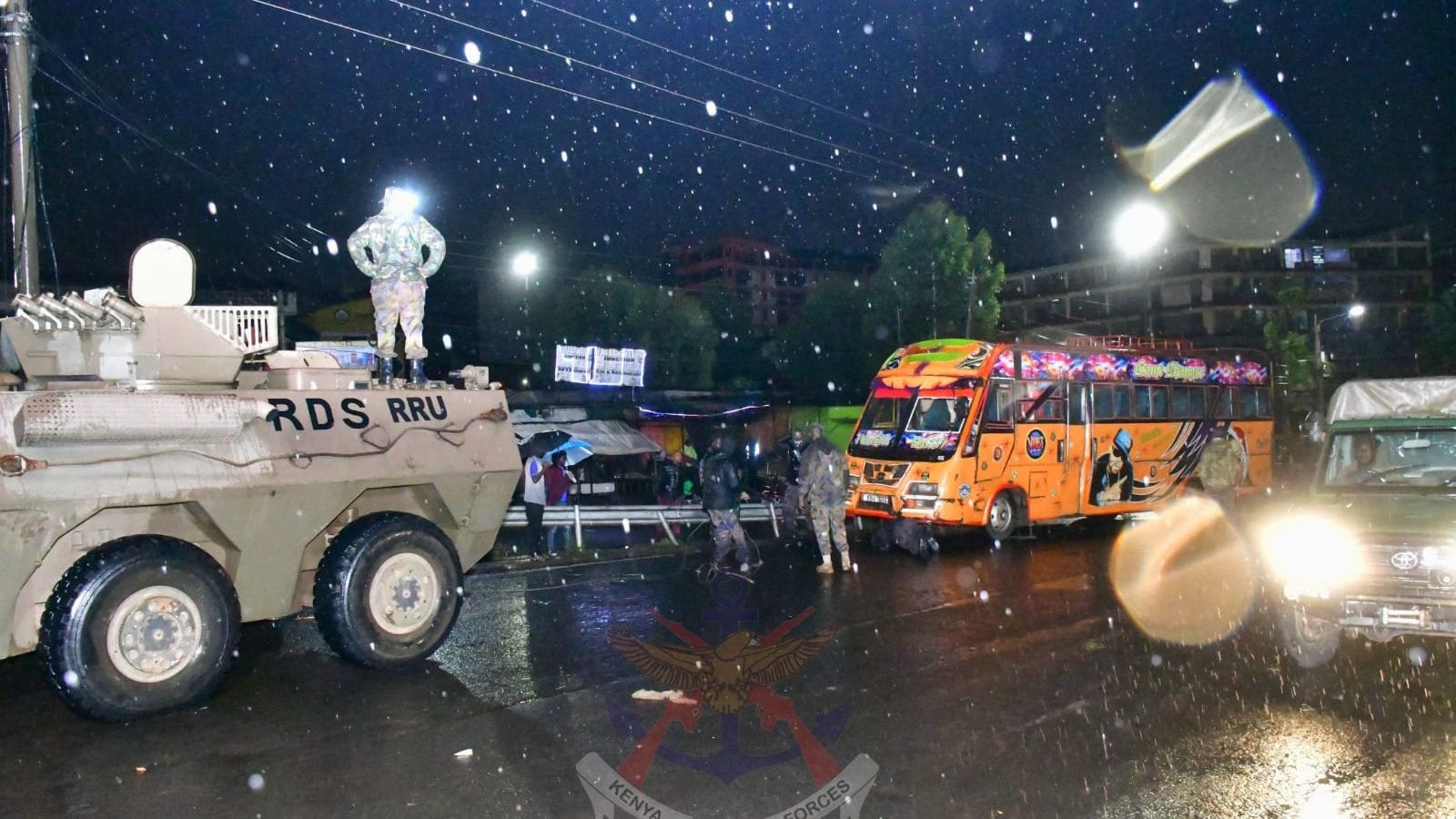

President William Ruto has directed the immediate deployment of a multi-agency emergency response team to manage the aftermath of devastating floods that have hit Nairobi and several other regions. The executive order follows heavy downpours on Friday night that resulted in loss of life and significant damage to property and urban infrastructure.
The emergency team, led by the Ministry of Interior and National Administration, is working in coordination with the Kenya Defence Forces and various response agencies. Their primary mandate involves rescue operations, the evacuation of residents from high-risk zones, and supporting communities currently marooned by rising waters.
Beyond immediate rescue efforts, the President sanctioned the release of relief food from the national strategic reserves to assist displaced families. He further announced that the government will cover hospital bills for victims receiving treatment in public health facilities. This directive aims to alleviate the financial burden on households affected by the flash floods.
The flooding has once again exposed the vulnerabilities of the capital's drainage systems and transport networks. Reports indicate that several major road arteries have been affected, prompting the Kenya Urban Roads Authority and the Kenya National Highways Authority to monitor bridge stability and clear debris. Contractors have been instructed to conduct urgent mitigation work, including de-silting drains and removing fallen trees to restore motorability.
In his statement, President Ruto noted that the recurring nature of these events underscores the necessity for long-term structural interventions. He pointed to the Nairobi River Regeneration Programme as a central pillar of the government's strategy to restore river ecosystems and modernize urban drainage to prevent future catastrophes.
The National Police Service confirmed that the toll from the recent rains has reached at least twenty-three fatalities in Nairobi alone. In low-lying areas and informal settlements, the lack of robust sanitation and drainage infrastructure has exacerbated the impact, leaving many residents homeless.
The Nairobi City County Disaster Management department has also mobilized the "Green Army" to assist in clearing waterways across the 17 sub-counties. Authorities continue to urge residents to avoid crossing swollen rivers and to stay away from downed power lines as the weather department warns of continued rainfall.
While the immediate focus remains on humanitarian aid and rescue, the crisis has intensified calls for a comprehensive review of the city’s building codes and riparian zone management. The government maintains that the ongoing affordable housing projects will eventually provide a safer alternative for those currently living in flood-prone informal structures.
Comments (0)
Leave a Comment
No comments yet. Be the first to share your thoughts!