
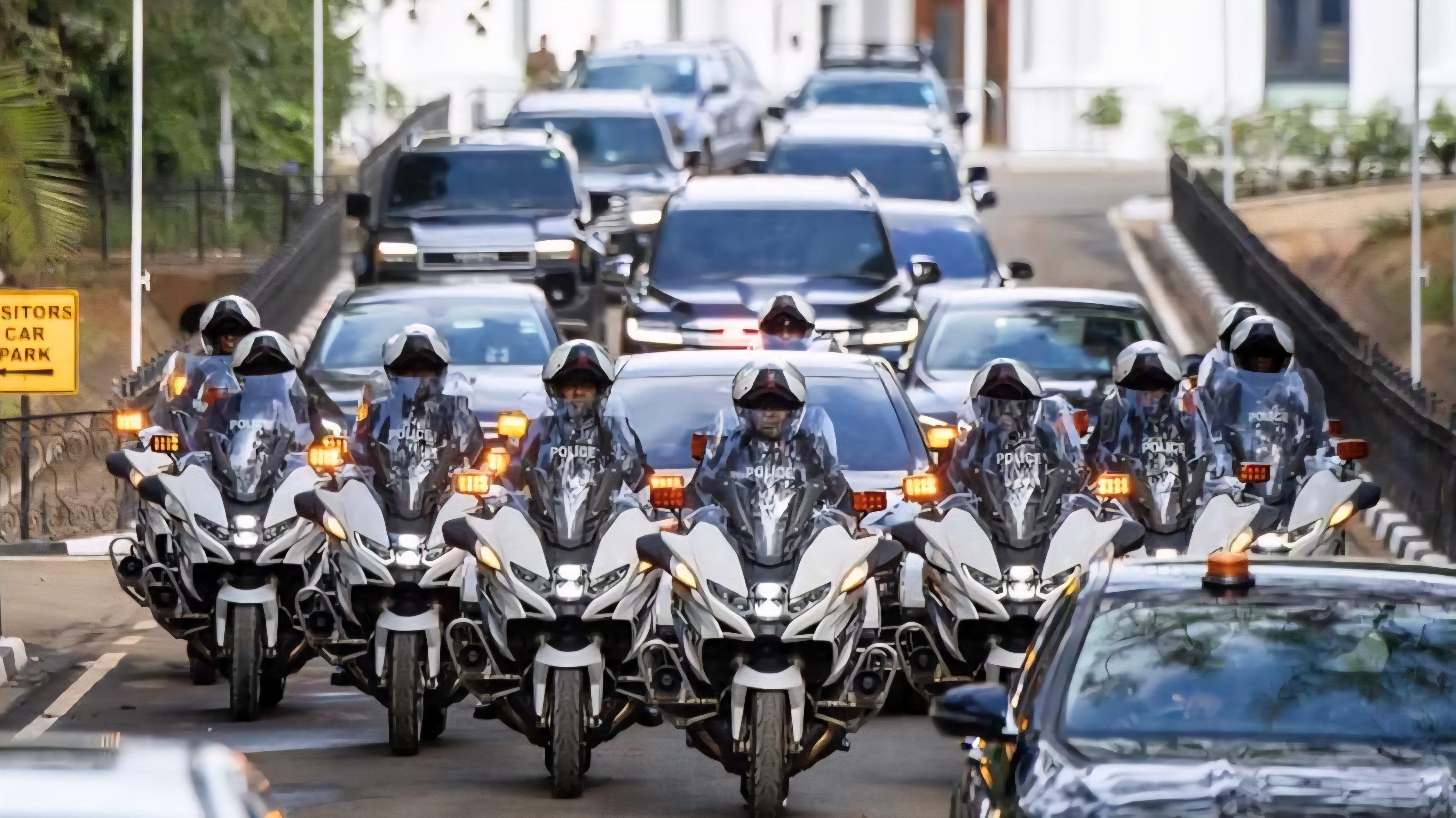

A British coroner has issued a formal finding regarding the death of a UK citizen, concluding that a driver attached to President Ruto’s motorcade is responsible for the fatal incident. The report states the accident occurred in March 2025 and argues that the loss of life could have been prevented through standard safety measures.
According to the findings, the conduct of the driver, within the high-speed convoy did not meet the required safety thresholds for public road usage. The coroner noted that while state motorcades often operate under emergency protocols, these do not exempt drivers from the duty of care toward other road users.
The incident has raised questions regarding the safety protocols of state-managed transport in Kenya. In Nairobi and other major hubs, the movement of high-profile convoys often involves clearing roads and high-velocity travel, which requires precision and strict adherence to safety drills.
The UK report emphasizes that the circumstances leading to the collision were not inevitable. It suggests that better coordination and more restrained driving speeds could have altered the outcome. This formal blame from a foreign jurisdiction adds a layer of diplomatic and legal complexity to the incident.
National Africa reports that the driver in question was part of the security detail assigned to President Ruto during a period of active movement within the city. The identity of the victim and the specific location of the crash have been central to the proceedings in the UK court system.
In Kenya, motorcade operations are governed by the National Police Service and the Presidential Escort Unit. These units are trained for rapid extraction and movement, often involving specialized vehicles and motorcycles to clear traffic in dense urban environments like Nairobi.
The coroner’s assertion that the death was avoidable points toward potential lapses in situational awareness. It remains unclear if the Kenyan government will pursue internal disciplinary action or if the UK findings will lead to civil litigation by the deceased’s family.
Road safety advocates in the region have previously expressed concerns over the aggressiveness of government "blue light" convoys. Such incidents often trigger debates on the balance between executive security and the safety of the general public on state-funded infrastructure.
The findings from the UK coroner are expected to be shared with Kenyan authorities. This case highlights the international scrutiny faced by state officials when incidents involve foreign nationals, particularly those from countries with stringent investigative protocols for citizen deaths abroad.
As of the time of reporting, the Kenyan Ministry of Interior has not issued a formal rebuttal to the UK findings. The driver remains the focal point of the report, which serves as a rare instance of a foreign judicial body directly assigning blame to a member of a Kenyan state security detail.