
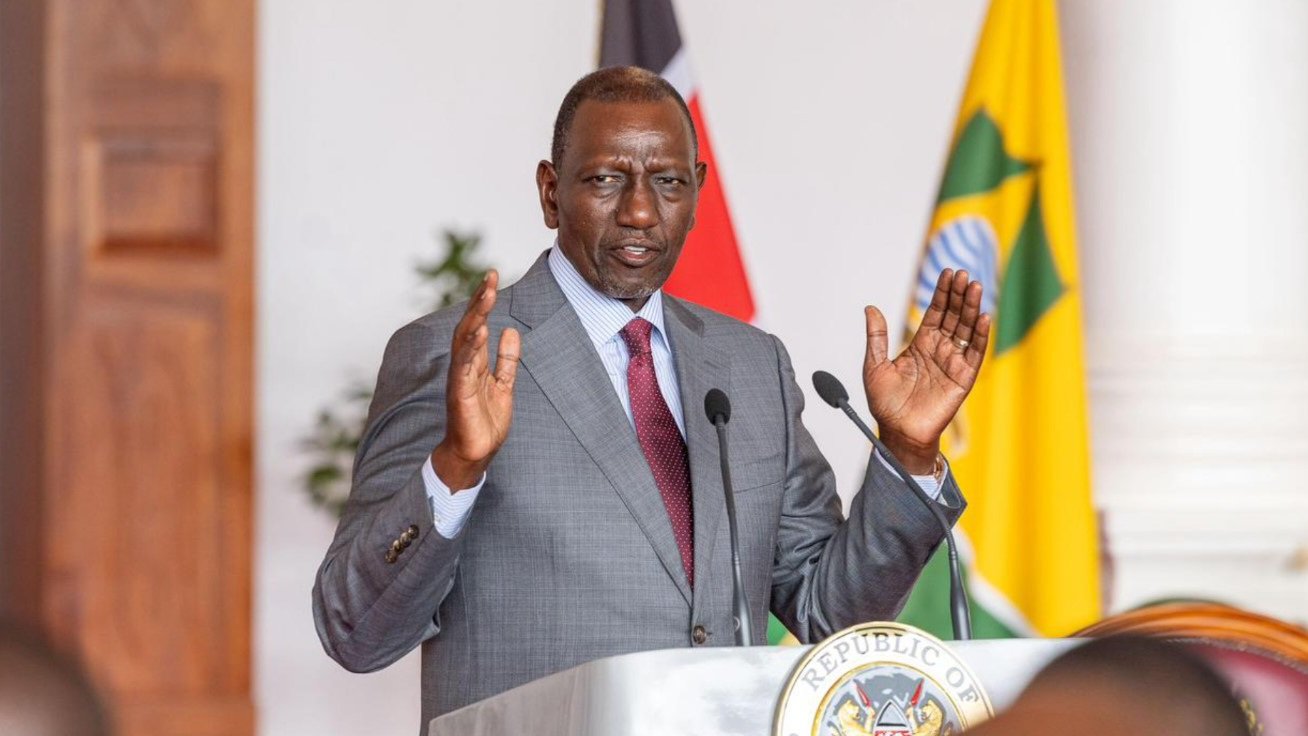

President William Ruto has ordered the National Transport and Safety Authority, NTSA, and the Ministry of Transport to accelerate the deployment of smart traffic cameras in all Kenyan cities. The directive, issued at State House, Nairobi on March 2, 2026, aims to curb systemic bribery within the police traffic department by automating the enforcement of road laws.
The President noted that many officers seek transfers to the traffic department, not out of a desire for hard work, but due to the lucrative opportunities for corruption. Ruto emphasized that the government must address this reality directly. He argued that the current manual system makes it easier for motorists to pay bribes than to navigate a slow judicial process for legitimate fines.
Under the new plan, the smart cameras will be fully integrated with an instant fine system. This digital infrastructure is designed to allow offenders to settle penalties immediately, removing the need for physical interactions with officers and lengthy court appearances. Ruto described the technology as straightforward, noting that similar systems have been used previously and should be implemented without further delay.
Transport Cabinet Secretary Davis Chirchir confirmed that the rollout will be completed within one month. The project is being executed under an investor-supported program, which aims to reduce the financial burden on the public treasury while improving enforcement efficiency.
The urgency of this infrastructure upgrade is driven by rising road fatalities. Official data indicates that Kenya recorded 5,009 road deaths in 2025, an increase from the previous year. The 2025 festive season alone saw 415 deaths, representing a 23 percent rise. Ruto linked these fatalities to poor compliance and the failure of current enforcement mechanisms.
Beyond technology, the government has deployed officers from the Ethics and Anti-Corruption Commission, EACC, and prosecutors to monitor road safety. This multi-agency approach has reportedly contributed to a 10 percent reduction in fatalities involving Public Service Vehicles.
The camera rollout aligns with the broader Strategic Framework for the Implementation of Reforms in the National Police Service. These reforms, based on recommendations from a task force chaired by former Chief Justice David Maraga, seek to professionalize the force through better terms of service and stricter accountability.
Ruto reiterated that restoring the operational and financial independence of the police was a priority for his administration. By removing the human element from traffic monitoring through smart city technology, the government expects to see a significant drop in corruption cases and an improvement in overall road safety standards across the country.
Comments (0)
Leave a Comment
No comments yet. Be the first to share your thoughts!