

A version of this article appeared on Daily Nation.
Travelling to Lamu approximately ten years ago felt like entering an active conflict zone due to widespread insecurity.
Between 2014 and 2022, the mainland parts of the region experienced a severe wave of violent raids. These coordinated actions were systematically orchestrated by Al-Shabaab insurgents.
The violence heavily impacted key locations like Mpeketoni, Kibaoni, Witu, Hindi, and the Boni Forest. It also affected the critical Kenya-Somalia border towns of Kiunga and Ishakani.
The targeted instability began on the night of June 15, 2014. A large group of heavily armed fighters from neighbouring Somalia launched a devastating midnight raid on Mpeketoni town.
The resulting instability directly paralyzed local business and choked the broader regional economy. Major civil works and strategic infrastructure projects faced severe delays, as logistics became entirely unviable without heavy military protection.
Construction work on the Lamu Port-South Sudan-Ethiopia Transport (LAPSSET) corridor experienced multi-year delays. Contractors struggled to move critical heavy machinery and personnel safely across the volatile mainland sections.
The crucial Lamu-Witu-Garsen highway project suffered persistent disruptions due to the looming threat of roadside ambushes. National transport authorities had to enforce mandatory police escorts for all vehicle convoys moving through the zone.
Security interventions by the Kenya Defence Forces (KDF) gradually restored stability across the mainland. Joint operations combined with community-led peace initiatives helped dismantle the active networks operating out of the thick Boni Forest canopy.
The stabilization has renewed confidence among international shipping lines and domestic infrastructure developers. The first three berths of the new Lamu Port are now operational, handling transshipment cargo destined for regional markets.
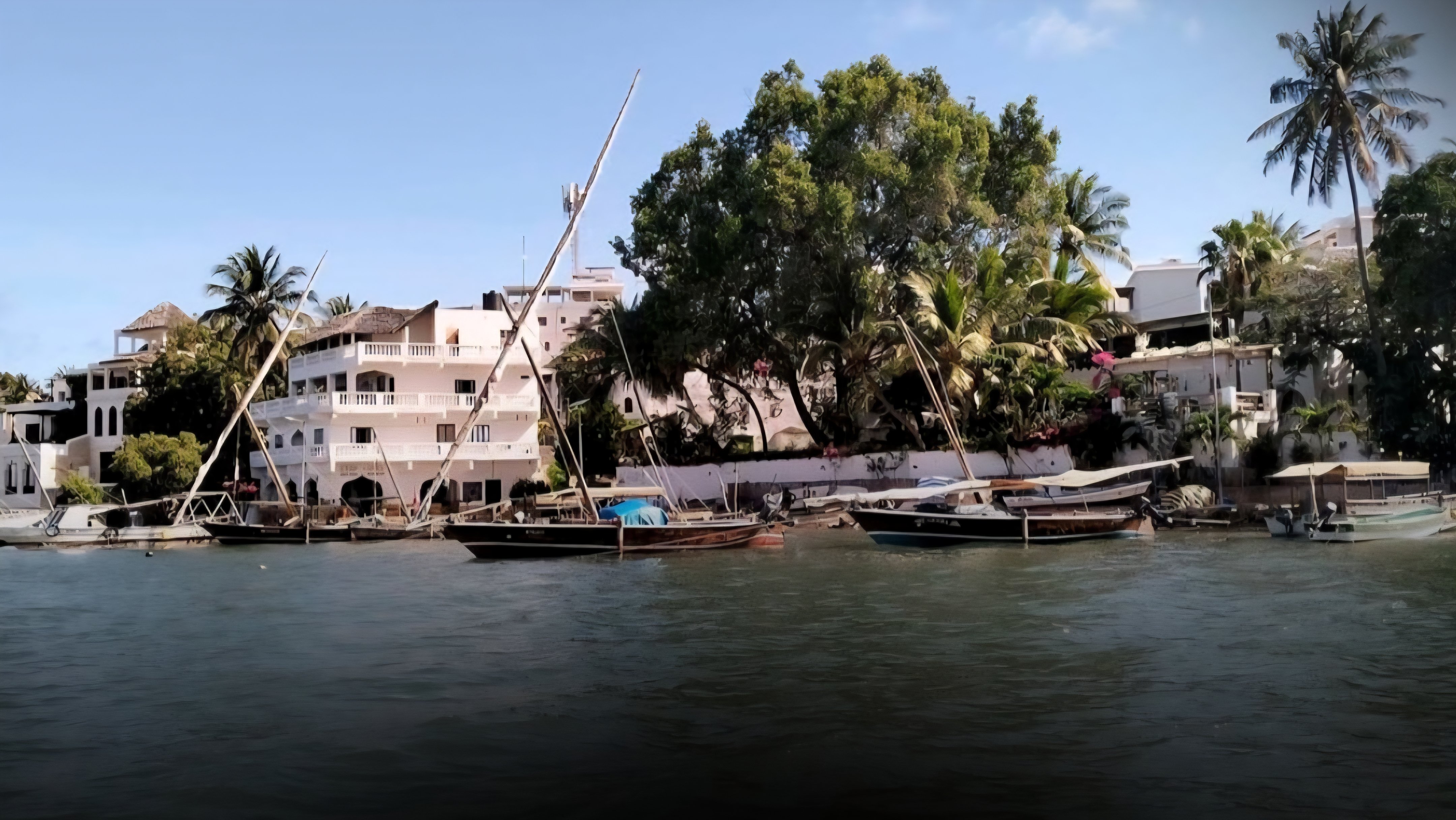
Improved safety has also revived the tourism sector on Lamu Island. Traditional dhow operations and hospitality businesses are reporting higher visitor numbers, reversing a decade of severe financial stagnation.
Road transport has slowly returned to normal without the strict requirement for armed military escorts. Regular freight services now move construction materials efficiently from Mombasa to the expanding port zone.
The area has shifted from a conflict hotspot into a functioning template for post-terror recovery. Government agencies are scaling up utilities, including fresh water supply networks and electricity grid connections, across the mainland towns.
Local administrators emphasize that maintaining this peace is essential for unlocking the full economic capacity of the northern corridor. Enhanced border surveillance continues around Ishakani to protect the multi-billion shilling transport networks.
Persistent community engagement has successfully bridged ethnic and religious divides that previously widened during the years of active terror. Local peace committees work closely with administration officers to report unusual activities early.
Investors are cautiously returning to buy land and establish agricultural processing plants in Mpeketoni and Witu. This slow capital injection is creating much-needed employment for youths, who were previously vulnerable to radicalization.
The transformation of the county underlines how security guarantees underpin massive public engineering investments. Without a stable environment, large-scale maritime and terrestrial infrastructure networks cannot successfully operate or attract long-term global finance.
Cross-border trade through Kiunga is showing signs of structural recovery as safe supply routes reopen. Civil engineers have initiated feasibility studies for upgrading secondary feeder roads connecting agricultural zones to the main highway.
The lessons gathered from the recovery of this coastal zone highlight the deep intersection between national security and physical development. Sustained peace remains the primary catalyst for completing East Africa's most ambitious transport infrastructure network.
Comments (0)
Leave a Comment
No comments yet. Be the first to share your thoughts!