

Oil prices climbed to around $90 a barrel on Tuesday, reaching their highest level in about two weeks as uncertainty surrounding the Iran war continued to weigh on energy markets.
Brent crude briefly moved above the $90 mark before easing. Reuters reported that Brent was trading at $87.84 a barrel later in the day, while West Texas Intermediate stood at $82.20.
The latest movement comes just days before Kenya’s next monthly fuel price review by the Energy and Petroleum Regulatory Authority (EPRA), scheduled for August 14.
The current pricing cycle, which runs from July 15 to August 14, left pump prices unchanged. In Nairobi, Super Petrol is retailing at KSh 214.03 per litre, diesel at KSh 222.86 and kerosene at KSh 191.38.
The latest oil-price movement is being watched closely because the previous review was conducted against a different market backdrop. EPRA said the average landed cost of Super Petrol had fallen by 21 percent in June, while diesel declined by 19.8 percent.
Those lower landed costs were among the figures considered during the July-August pricing cycle. The average exchange rate used in that review was KSh 129.72 to the US dollar, according to information released after the decision.
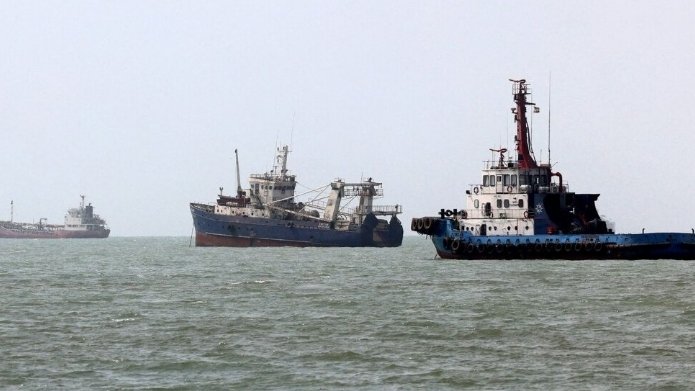
The renewed rise in international oil prices is occurring as commercial shipping through the Strait of Hormuz remains disrupted. Reuters reported that traffic through the waterway fell to six vessels on Monday, compared with a 10-day average of about 11 vessels.
The Strait is an important route for global energy supplies. Reuters reported that about 20 percent of global oil supplies passed through the waterway before the Iran war began on February 28.
Talks involving Oman and Iran over shipping through the Strait were described as being at an advanced stage, although Reuters reported that an exchange of demands between the United States and Iran had complicated efforts to reopen the waterway.
For Kenya, the timing of the oil-market movement is important. EPRA’s monthly review considers the costs associated with imported petroleum products, meaning developments in international energy markets form part of the broader pricing environment.
However, Tuesday’s oil price alone does not determine the pump prices that EPRA will announce. The regulator’s previous review also considered landed petroleum costs and the prevailing exchange rate, among other components of the pricing framework.
The direction of international prices over the coming days will therefore remain relevant as the August review approaches. A sustained rise would present a different market picture from the decline recorded in the period used for the previous review.
The outcome will be particularly important for transport operators and businesses that rely heavily on diesel and petrol. Current prices remain in force until August 14, with the next EPRA pricing cycle beginning on August 15.
The immediate question for motorists is whether recent movements in global oil markets will be reflected in the next set of maximum retail prices, or whether the factors considered in EPRA’s pricing formula will support another period of stable pump prices.
Comments (0)
Leave a Comment
No comments yet. Be the first to share your thoughts!